
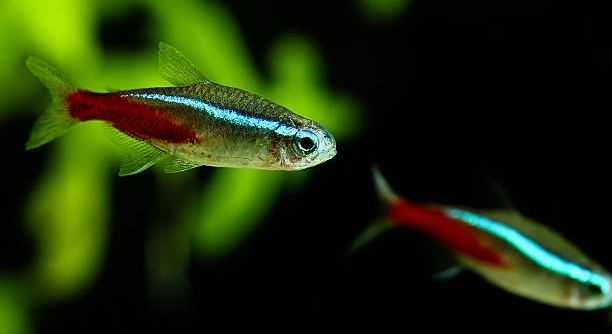
Tetras are small, colorful fish popular in many home aquariums. They are known for their peaceful nature and vibrant appearance. Many beginners consider them a good choice when starting an aquarium hobby.
Tetras are generally suitable for beginners due to their hardy nature and low maintenance needs. They adapt well to community tanks and tolerate a range of water conditions, making them manageable for those new to fishkeeping. However, specific care requirements must still be met.
Learning the pros and cons of keeping tetras will help create a healthy environment for these fish and improve your overall aquarium experience.
Pros of Keeping Tetras for Beginners
Tetras are easy to care for, which makes them ideal for beginners. They do well in small to medium tanks and require simple water conditions that are easy to maintain. Their small size means they don’t need large tanks, which saves space and cost. Tetras are social fish that thrive in groups, adding movement and color to an aquarium. They are peaceful and rarely cause trouble with other fish. Their diet is straightforward, usually accepting standard flakes or small pellets. These factors make them a practical choice for those starting out with fishkeeping.
Tetras also help beginners learn the basics of aquarium care without overwhelming them. They tolerate slight variations in water quality, which allows new owners to gain confidence. These fish encourage good habits in regular tank maintenance and feeding schedules. Overall, their resilience is a significant advantage.
Despite their ease of care, it is important to monitor water parameters regularly. Over time, beginners develop a better understanding of how to balance tank conditions. Tetras offer a good mix of simplicity and enjoyment for those new to aquariums.
Cons of Keeping Tetras for Beginners
Tetras can be sensitive to sudden changes in water conditions, which might cause stress or illness. While hardy, they need stable temperatures and clean water to thrive. They are also schooling fish and must be kept in groups, which means buying several at once. If kept alone, tetras may become shy or stressed. Some species can be prone to diseases if not cared for properly. Additionally, tetras may not do well with aggressive tank mates, requiring some knowledge about compatible fish.
Their small size also means they can be overshadowed by larger, more active fish, which can be discouraging for beginners. Despite these drawbacks, understanding their needs helps prevent issues early on. Proper research and preparation improve success when keeping tetras.
Keeping tetras requires consistent care and attention to detail, especially regarding water quality and tank mates. For beginners willing to learn and follow basic guidelines, these fish remain an excellent choice. Awareness of their limitations helps create a healthy and vibrant aquarium.
Tank Setup and Maintenance
Tetras need a clean, stable environment to stay healthy. Regular water changes and a good filter system are essential. They prefer slightly acidic to neutral water and a temperature between 72-80°F.
Setting up the tank properly helps prevent stress and illness. A planted tank with hiding spots mimics their natural habitat and reduces anxiety. Using a gentle filter prevents strong currents that can tire them out. Consistent water testing ensures parameters stay within the safe range. This attention to detail keeps tetras active and colorful, making the tank more enjoyable.
Maintenance includes weekly partial water changes, typically 25-30%, to keep nitrate levels low. Removing uneaten food and debris reduces harmful bacteria growth. The filter media should be cleaned or replaced regularly without disturbing beneficial bacteria too much. With steady care, tetras remain healthy and display natural behaviors.
Feeding and Diet
Tetras eat small flakes, pellets, and occasional live or frozen foods. Feeding small amounts twice a day prevents overfeeding and keeps the tank clean.
A balanced diet supports their bright colors and energy. Overfeeding leads to water quality problems and health issues, so portion control is important. Supplementing with freeze-dried or frozen foods like brine shrimp or bloodworms adds variety and nutrition. Observing feeding habits helps identify health changes early.
Feeding should be consistent but moderate. Leftover food can pollute the tank, so it’s best to remove uneaten portions. Feeding also creates an opportunity to bond with the fish by watching their natural schooling and foraging behaviors. Proper diet management promotes longevity and vitality in tetras.
Ideal Tank Mates
Tetras do best with peaceful, small fish that share similar water needs. Avoid aggressive or much larger fish to prevent stress or injury. Suitable tank mates include guppies, rasboras, and small catfish.
Keeping compatible fish helps maintain a calm environment. Mixing tetras with active or territorial species may cause bullying or hiding, which affects their health. Careful selection of tank mates supports a balanced community tank.
Common Health Issues
Tetras can suffer from diseases like ich, fin rot, and swim bladder problems. These often result from poor water quality or stress.
Regular monitoring and maintaining clean water reduce disease risks. Quarantining new fish before adding them to the tank helps prevent spreading illness. Prompt treatment improves recovery chances.
Breeding Tetras
Breeding tetras requires a separate tank with controlled conditions. Soft, slightly acidic water and dim lighting encourage spawning. Removing adults after eggs are laid protects the fry from being eaten.
Raising fry needs frequent feeding of tiny live foods. Patience and attention to water quality are important for successful breeding.
FAQ
How many tetras should I keep together?
Tetras are schooling fish and should be kept in groups of at least six. Smaller groups can cause stress and shy behavior. A group of six or more allows them to feel secure and display natural schooling. Larger groups are even better if your tank size allows it.
What size tank is best for tetras?
A minimum of 10 gallons is recommended for a small group of tetras. Larger tanks offer more stable water conditions and space for swimming. If you plan to keep more fish or other species, a bigger tank is necessary to prevent overcrowding and maintain water quality.
What water conditions do tetras prefer?
Tetras thrive in water that is slightly acidic to neutral, with a pH between 6.0 and 7.5. Temperature should be kept between 72°F and 80°F. Regular testing and adjustments are important to keep water stable and healthy.
Can tetras live with bettas?
Keeping tetras with bettas can be risky. Bettas are aggressive and might attack smaller, peaceful tetras. If you try this combination, monitor closely and provide plenty of hiding spaces. Some bettas tolerate tank mates, but it depends on the individual fish’s temperament.
What do tetras eat?
Tetras eat a varied diet including flakes, pellets, and small live or frozen foods like brine shrimp or daphnia. Feeding small amounts twice daily prevents overfeeding and keeps the tank clean. Variety in diet promotes health and color vibrancy.
How often should I clean my tetra tank?
Perform partial water changes of 25-30% weekly to maintain water quality. Remove uneaten food and debris daily to prevent waste buildup. Clean filter media monthly, but avoid washing it too thoroughly to preserve beneficial bacteria. Keeping a regular cleaning schedule prevents disease.
Do tetras need plants in their tank?
Plants are not strictly necessary but highly recommended. They provide hiding places, reduce stress, and improve water quality by absorbing nitrates. Live plants help mimic a natural environment, making tetras feel more comfortable and secure.
How long do tetras live?
Tetras typically live between 3 to 5 years with proper care. Some species can live longer under ideal conditions. Maintaining stable water parameters, a balanced diet, and a peaceful tank environment helps extend their lifespan.
What are signs of sick tetras?
Common signs include faded colors, clamped fins, lethargy, loss of appetite, and unusual swimming patterns. White spots or torn fins indicate possible disease. Early detection and treatment increase chances of recovery, so observe your fish regularly.
Can I keep different tetra species together?
Many tetra species can coexist peacefully if water conditions suit them all. Mixing species adds color and activity but requires monitoring to avoid bullying. Research the specific needs and temperaments of each species before combining them.
How do I prevent disease in my tetra tank?
Maintaining clean water, avoiding overcrowding, and quarantining new fish are key steps. Providing a balanced diet and reducing stress also boost their immune systems. Early intervention at the first sign of illness helps keep the whole tank healthy.
Is it necessary to have a heater for tetras?
Most tetra species come from tropical environments and need a stable temperature between 72-80°F. A heater ensures the water stays within this range, especially in cooler climates. Temperature fluctuations can cause stress and illness.
What should I do if my tetras stop schooling?
When tetras stop schooling, it may indicate stress, illness, or poor water conditions. Check water parameters and look for signs of disease. Adjust tank conditions and isolate sick fish if needed. Restoring a stable environment usually encourages schooling again.
Are tetras suitable for beginners with no aquarium experience?
Tetras are generally recommended for beginners due to their hardiness and ease of care. However, some basic knowledge of water chemistry and tank maintenance is necessary. Starting with tetras helps build confidence in fishkeeping and aquarium management.
Can tetras breed in a community tank?
Breeding in a community tank is rare because adults may eat the eggs or fry. For successful breeding, use a separate breeding tank with proper conditions. After spawning, removing adults protects the young fish from being eaten.
What are the best lighting conditions for tetra tanks?
Moderate lighting that mimics natural daylight works well. Too much light can stress fish and promote algae growth, while too little affects plant health and fish color. Using a timer helps maintain a consistent day-night cycle, supporting natural behaviors.
This FAQ covers common questions about tetras, helping new and experienced keepers provide the best care possible. Following these guidelines makes maintaining a healthy and colorful tetra aquarium easier and more rewarding.
Tetras are often recommended for beginners because they are hardy and easy to care for when basic needs are met. Their small size and peaceful nature make them suitable for community tanks, especially with other gentle fish. While they do require stable water conditions, they tolerate minor fluctuations better than many other species. This resilience gives new aquarium owners a chance to learn and gain confidence without facing immediate problems. It is important to remember that every fish needs attention and proper care, so tetras are no exception. Providing a clean tank, appropriate food, and a suitable environment will help them thrive.
Despite their many advantages, tetras are not completely maintenance-free. They need to be kept in groups of at least six to feel secure and behave naturally. Keeping them alone can cause stress and lead to health problems. Tank setup should include gentle filtration and some plants or hiding spots to mimic their natural environment. Regular water testing and partial water changes are essential to maintain water quality. New owners should also be aware of potential health issues, such as common fish diseases that can arise from poor water conditions or stress. Understanding these needs and challenges will ensure a healthy and vibrant aquarium.
Overall, tetras are a good choice for beginners willing to commit to regular care and learning. They offer beauty, activity, and a peaceful presence in the aquarium. Paying attention to their social needs and water conditions will prevent most problems. Tetras can also serve as a stepping stone for expanding knowledge and exploring more complex aquarium setups in the future. With patience and consistent care, these small fish can bring lasting enjoyment and a sense of accomplishment to anyone new to fishkeeping.

Hello,
If you enjoy the content that we create, please consider saying a "Thank You!" by leaving a tip.
Every little bit helps us continue crafting quality advice that supports the health, happiness, and well-being of pets around the world, for pets of all shapes, sizes, and species.
We really appreciate the kindness and support that you show us!