
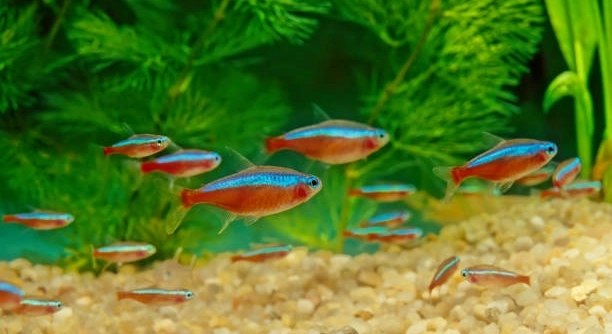
Do you ever find yourself wondering if your small school of tetras is enough to keep them happy and healthy in your tank?
Keeping tetras in larger groups supports their natural schooling behavior, reduces stress, and encourages more vibrant colors and active swimming. This environment mimics their native habitat and contributes to their overall well-being and social comfort.
There’s more to tetra behavior than just swimming in sync, and understanding why group size matters can change the way you care for them.
Tetras Feel Safer in Groups
Tetras are small, active fish that naturally live in large schools in the wild. When kept in small numbers, they can become anxious and timid. In a larger group, they feel more secure and tend to show more natural behaviors. You’ll often see them swimming together, which helps reduce stress. This type of schooling behavior isn’t just for looks—it’s a natural defense mechanism. In a tank, this same behavior makes them feel protected from any perceived threats. Stress from isolation can weaken their immune system and shorten their lifespan. A group of six or more helps them settle into the environment more quickly. This results in healthier, more relaxed fish. When they’re calm, they are less likely to hide, get sick, or nip at each other.
A small group may seem fine at first, but it won’t give your tetras the comfort and security they truly need to thrive.
If your tetras are often hiding or acting skittish, adding more to their group can make a noticeable difference. You may see them become more confident, active, and visible throughout the tank. This behavior shows they’re feeling more comfortable and less threatened in their environment.
Group Living Encourages Natural Behavior
When tetras live in larger groups, they engage in more natural and relaxed behavior. A group of at least six allows them to swim in tight formations, which is how they instinctively avoid danger. Without enough tankmates, this behavior often disappears.
In the home aquarium, tetras need an environment that mimics the wild to feel at ease. Schooling is one of their key behaviors, and it only happens when they’re in the right group size. When that need is met, their daily movement becomes more synchronized and peaceful. It’s common to see them gliding together across the tank, with fewer signs of aggression or anxiety. They explore more confidently and interact with each other in a calm, natural way. In smaller numbers, they tend to hover in corners or dart around nervously. These are signs that they don’t feel safe. Larger groups ease those behaviors and allow them to develop a stable social structure. When that structure is in place, your tetras are more likely to eat well, stay healthy, and enjoy their space.
Reduced Aggression and Fin Nipping
Tetras kept in small groups are more likely to nip at each other’s fins or chase other tankmates. This behavior often comes from stress, boredom, or a lack of proper social structure in the tank.
When tetras are kept in a proper group size, they distribute their attention more evenly and follow a set pecking order. This reduces the chance of one fish becoming the target. Instead of focusing on a single tankmate, they interact in a balanced, less aggressive way. Fin nipping decreases, and overall tank harmony improves. Keeping them in groups of six or more helps prevent behavioral problems that may otherwise go unnoticed until injuries or illness occur. By giving them the group size they’re wired for, you’re helping them feel more at ease, which leads to a more peaceful aquarium for all its inhabitants.
When aggression does occur in a well-sized group, it’s usually brief and non-damaging. Tetras tend to sort out their social dynamics quickly and move on. This means less stress for the group and fewer issues for you to manage. You’re less likely to see torn fins or hiding fish, and more likely to enjoy calm, active movement throughout the tank. A proper group size creates a balanced social space that works naturally.
Stronger Immune Systems
Fish that feel secure in their environment are less likely to get sick. For tetras, security often comes from living in a larger group. This helps keep their stress levels low, which directly supports their immune health.
Stress in fish weakens their defenses and leaves them more open to illness. Tetras that are isolated or kept in groups that are too small often show signs of nervous behavior, like darting or hiding. These are early signs that their stress levels are high. Over time, this constant stress can lead to health problems like fin rot, ich, or bacterial infections. In a proper group, they’re calmer, eat more regularly, and show stronger resistance to common tank diseases. You’ll also notice fewer sudden deaths and fewer flare-ups of avoidable issues. Giving them the right number of companions is one of the easiest ways to help keep your fish healthy for the long term.
Brighter Colors and Active Swimming
Tetras show their best colors when they’re relaxed and comfortable. In larger groups, their stress levels drop, allowing their natural shades to become more vivid. You’ll notice richer blues, deeper reds, and more shimmer as they move confidently around the tank.
Along with brighter colors, their swimming becomes more active and fluid. They glide together in smooth patterns, often turning and shifting as one. This behavior is a strong sign they’re thriving in the space. A properly sized group supports both their appearance and movement in a way that smaller groups simply can’t.
Balanced Social Structure
Tetras form subtle social bonds that help them feel secure and function well in a group. When kept in a larger school, these fish create a natural hierarchy that gives each one a place. This reduces tension, builds comfort, and leads to more stable behavior. Instead of feeling isolated or threatened, each fish finds its rhythm within the group. You’ll see less darting, more consistent swimming, and fewer random outbursts. A well-sized group gives them room to develop this structure naturally, with little effort from you. It’s one of the easiest ways to improve their social well-being.
Easier to Observe and Enjoy
When tetras are happy in a group, they spend more time out in the open. They explore more freely, making it easier to watch them and enjoy their natural behavior.
FAQ
How many tetras should I keep together?
Most types of tetras do best in groups of at least six. Some, like rummynose or neon tetras, are even more comfortable in groups of eight or more. Larger groups allow them to school naturally and reduce stress. When you keep just a few, they often become shy and hide more often. A bigger group helps them feel safe and encourages normal behavior. If you have the space and filtration, going beyond the minimum number is usually better. Always consider your tank size and water quality when increasing group size.
Can different types of tetras school together?
Different tetra species may swim near each other, but they won’t form a true school. Each species has its own social structure and swimming pattern. Neon tetras will group with other neons, while ember tetras stick to their own kind. For the most natural behavior, try to keep each type in its own group of at least six. Mixing too many species without proper numbers can lead to stress and uneven social dynamics. If you want variety, it’s best to keep multiple small schools rather than a mixed group.
Do tetras get lonely in small groups?
Yes, tetras can become withdrawn when kept in small groups. They are social by nature and depend on the presence of others to feel safe. In a small group, they often hide, eat less, or behave nervously. You may also notice duller colors and less movement. When the group is expanded, they usually become more active and confident. Their natural schooling behavior only shows up when they feel secure. Keeping them in a proper group helps avoid stress and brings out their full personality.
Will adding more tetras solve aggression problems?
In many cases, yes. Aggression in small groups often comes from stress or a lack of social balance. One fish may take over and start nipping at others. When the group grows, attention is more evenly spread out, and the tension decreases. A larger school creates a natural hierarchy, where no single fish becomes the constant target or aggressor. This shift can help reduce fighting, chasing, and fin damage. If aggression continues even after increasing the group size, check for other factors like overcrowding, poor water quality, or lack of hiding spots.
What tank size do I need for a group of tetras?
A 10-gallon tank can hold a small group of six tiny tetras like neons or embers. For larger species like black skirts or rummynose, a 20-gallon tank is a better choice. If you want to keep multiple groups or add other fish, plan for 20 gallons or more. Always give them space to swim, especially since tetras like to move together. A longer tank works better than a tall one, since it gives more horizontal swimming room. Overcrowding leads to stress, even if you meet the minimum number of fish.
Can I mix tetras with other fish?
Yes, tetras usually get along with peaceful fish of a similar size. Good tankmates include rasboras, corydoras, guppies, and small livebearers. Avoid keeping them with aggressive or much larger fish that might see them as food. Still, even in a mixed tank, tetras need a group of their own kind to feel secure. Without that, they may not behave naturally. When planning a community tank, be sure to consider space, behavior, and dietary needs of all species involved. Compatibility matters, but group size comes first for healthy, happy tetras.
Final Thoughts
Keeping tetras in larger groups is one of the most important things you can do to help them stay healthy and happy. These fish are naturally social and rely on each other to feel safe. In the wild, they swim in big schools to protect themselves from danger. When placed in a tank with only one or two others, they lose that sense of safety. You may notice them hiding more, acting nervous, or showing dull colors. A group of at least six helps them relax and behave more naturally. It also reduces stress, which plays a big role in their health and lifespan.
A proper group size also helps prevent issues like fin nipping, chasing, or sudden illness. Tetras feel more secure when they’re surrounded by others of their kind. In this environment, they form a better social balance, show brighter colors, and swim in more active patterns. Their immune system also gets stronger when stress levels are low. You’ll likely spend less time dealing with health problems or aggression and more time enjoying the sight of a calm, colorful group. It’s a small change with a big impact, and it doesn’t take much effort once the tank is properly set up.
If you’re planning to keep tetras or already have a few, it’s worth taking a moment to check if their group size is meeting their needs. Making space for just a few more can lead to better behavior and overall tank harmony. Whether you’re new to fishkeeping or have had tetras before, understanding their social needs can help you avoid common problems. A healthy group of tetras not only looks better, but also lives longer, interacts more, and brings more life to your tank. When they feel safe and supported, you’ll get to enjoy their true personality and vibrant colors every day.

Hello,
If you enjoy the content that we create, please consider saying a "Thank You!" by leaving a tip.
Every little bit helps us continue crafting quality advice that supports the health, happiness, and well-being of pets around the world, for pets of all shapes, sizes, and species.
We really appreciate the kindness and support that you show us!