
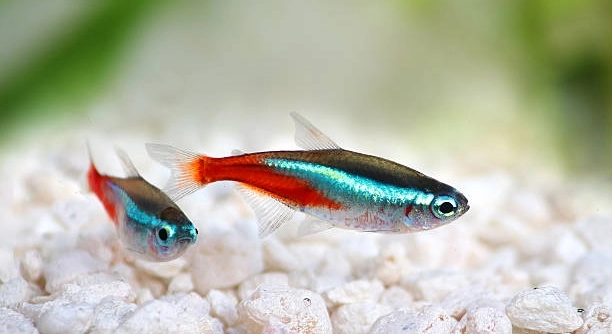
Many aquarium owners enjoy keeping tetras for their vibrant colors and lively behavior. However, sometimes these fish don’t swim together as a group like they usually do. Understanding why your tetra isn’t schooling can help improve their well-being.
Tetras may stop schooling due to stress, illness, water quality issues, or improper tank conditions. These factors disrupt their natural behavior, causing them to separate rather than swim in synchronized groups. Correcting these problems restores their schooling instinct.
Knowing the reasons behind this behavior helps maintain a healthy environment for your tetras. Improving their conditions will encourage them to return to their natural schooling habits.
Stress and Its Impact on Schooling Behavior
Tetras are sensitive fish that easily react to changes in their environment. Stress can come from many sources, such as sudden changes in water temperature, aggressive tank mates, or frequent tapping on the aquarium glass. When stressed, tetras often hide or swim alone instead of schooling. This behavior is their natural response to feeling threatened or uncomfortable. Stress weakens their immune system, making them more vulnerable to illness, which can further affect their group behavior. Maintaining a calm, stable tank environment helps tetras feel secure. Avoid loud noises and sudden movements near the aquarium to minimize stress. Providing plenty of hiding spots with plants or decorations can also make a big difference. A peaceful tank encourages tetras to swim together, showing their natural social behavior.
Stress disrupts tetras’ schooling because they prioritize safety over group movement. Reducing stress is essential for restoring normal behavior.
Proper care and a peaceful environment reduce stress and promote healthy schooling. Watching your tetras relax and swim as a group is rewarding.
Water Quality and Its Role in Tetra Behavior
Poor water quality is one of the most common reasons tetras stop schooling. Dirty water, high ammonia levels, or improper pH can make fish uncomfortable or sick. Tetras are especially sensitive to these changes and will separate to avoid crowded conditions when water quality declines. Regular testing and maintenance are necessary to keep the tank healthy. Change 10-20% of the water weekly to remove toxins and debris. Use a good filtration system to keep water clear and stable. Avoid overfeeding, as leftover food breaks down and pollutes the water. Stable water conditions not only help tetras feel better but also support their natural schooling behavior.
Clean water encourages tetras to swim confidently as a group, showing their vibrant colors and active nature.
Tank Size and Space
A small tank limits the space tetras need to school properly. Tetras naturally swim in groups and require enough room to move freely. Overcrowding causes stress and breaks up their group behavior.
A tank that is too small can make tetras feel cramped and insecure. They may spread out or hide instead of swimming together. Providing at least 20 gallons for a small school allows them to swim comfortably. More space means better water quality and less competition for resources. Adequate space supports their social behavior and overall health, encouraging natural schooling.
Having enough swimming room helps tetras feel safe and confident. When they are comfortable, their schooling instinct returns, creating a lively tank atmosphere.
Tank Mates and Social Dynamics
Aggressive or incompatible tank mates can cause tetras to avoid schooling. When other fish intimidate or chase them, tetras feel unsafe and break away from the group. Choosing peaceful companions is crucial.
Introducing aggressive fish leads to constant stress and fear in tetras. This tension interrupts their natural behaviors, including schooling. Peaceful species that share similar water needs are better tank mates for tetras. Avoid large or territorial fish that disrupt the social balance. Observing fish interactions helps catch problems early. When tetras are surrounded by calm companions, they regain their social confidence and group swimming behavior.
Choosing the right tank mates ensures a harmonious environment where tetras can thrive and enjoy schooling together without fear or stress.
Lack of a Proper School Size
Tetras need to be in groups of at least six to feel secure enough to school properly. Smaller groups can cause them to scatter or act shy.
A larger group creates a natural sense of safety, encouraging coordinated swimming and social interaction.
Illness and Its Effects on Schooling
Sick or injured tetras often separate from the group as a survival instinct. Illness weakens them, making it harder to keep up with the school. Signs like faded colors, lethargy, or clamped fins show health problems. Treating illnesses quickly and isolating affected fish helps restore normal behavior and prevents spreading disease. Healthy fish naturally return to schooling once they recover.
Lighting Conditions
Lighting that is too bright or too dim can affect tetra behavior. Comfortable, moderate lighting encourages natural activity and schooling.
FAQ
Why isn’t my tetra schooling even though the water looks clean?
Clean water is important, but water quality involves more than just clarity. Ammonia, nitrite, and nitrate levels must be within safe ranges. Sometimes invisible toxins build up and stress fish, causing them to stop schooling. Test the water regularly and perform partial water changes to keep conditions stable. Even small imbalances can affect tetra behavior.
How many tetras should I keep to encourage schooling?
A minimum of six tetras is recommended for schooling behavior. Smaller groups often lead to shy, scattered fish. Larger groups of eight to ten or more create a stronger sense of security, making schooling more natural. The size of the tank should support the number of fish to avoid overcrowding.
Can tank decorations affect schooling?
Yes, tank decorations can influence schooling. Too many obstacles may break the group apart, while some plants and hiding spots help tetras feel safe. Balance is key—provide enough open space for swimming together but also places to retreat when stressed.
What should I do if my tetra is sick and not schooling?
Isolate sick fish in a quarantine tank to prevent spreading disease. Monitor symptoms like discoloration, clamped fins, or lethargy. Treat illnesses promptly with appropriate medications and maintain excellent water quality. Once recovered, healthy tetras usually return to schooling behavior.
Is lighting really important for schooling behavior?
Lighting affects fish comfort and activity. Bright lights may stress tetras, causing them to hide or separate. Dim or natural lighting encourages calmer behavior and schooling. Use a light timer to keep a consistent day-night cycle, which helps maintain normal routines.
Can stress from tank mates cause tetras not to school?
Aggressive or overly active tank mates can scare tetras, causing them to break their group. Choose peaceful species that share similar water requirements. Observe interactions and remove any fish that cause stress. A calm community tank supports schooling.
How often should I clean my tetra tank?
Regular maintenance is essential. Partial water changes of 10-20% weekly help remove toxins and maintain water quality. Clean filters and remove uneaten food or waste promptly. A clean environment reduces stress and supports schooling behavior.
Will tetras school better in a larger tank?
Yes, a larger tank provides more swimming space and reduces stress. It allows tetras to move freely and maintain a tight group. At least 20 gallons is ideal for a small school. Overcrowding in a small tank disrupts schooling and harms fish health.
Can changes in water temperature affect schooling?
Sudden or frequent temperature changes stress tetras and disrupt schooling. Keep the water temperature stable between 72-78°F (22-26°C). Use a reliable heater and thermometer. Stable temperatures help maintain normal behavior.
Is it normal for tetras to sometimes swim alone?
Occasionally, tetras may separate briefly due to exploration or searching for food. However, persistent isolation often indicates a problem such as stress or illness. Monitor your fish closely and address any underlying causes if solitary behavior continues.
Tetras are naturally social fish that thrive when they swim together in schools. When they stop schooling, it is usually a sign that something in their environment is not quite right. Many factors can affect their behavior, including stress, water quality, tank size, and health. By paying close attention to these areas, it is possible to identify and correct the causes that prevent tetras from schooling. This helps create a healthier and more comfortable space for your fish to enjoy.
Maintaining stable water conditions is one of the most important steps to encourage schooling. Regular testing of water parameters like ammonia, nitrite, and nitrate is necessary to keep the tank safe. Partial water changes and a good filtration system help remove toxins and keep the environment clean. Also, making sure the tank is large enough and has enough fish to form a proper school plays a big role in their behavior. Without enough space or companions, tetras will not feel secure enough to swim together as they naturally do.
Finally, observing your tetras closely can give valuable clues about their health and comfort. Sick or stressed fish often act differently, separating from the group or hiding. Providing peaceful tank mates and avoiding sudden changes in the environment reduces stress. Lighting, tank decorations, and temperature should all be balanced to support natural behavior. Taking these steps helps restore schooling and promotes the well-being of your tetras, making your aquarium more lively and enjoyable.

Hello,
If you enjoy the content that we create, please consider saying a "Thank You!" by leaving a tip.
Every little bit helps us continue crafting quality advice that supports the health, happiness, and well-being of pets around the world, for pets of all shapes, sizes, and species.
We really appreciate the kindness and support that you show us!