
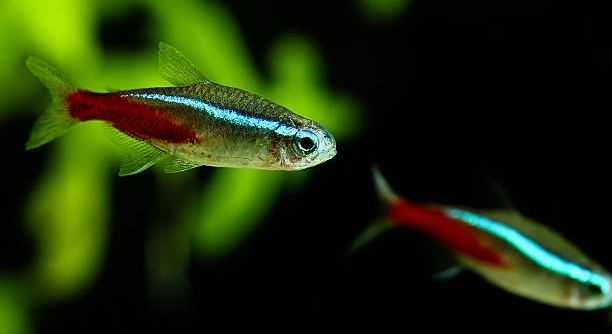
Are your tetras constantly breeding in your aquarium, filling the tank with countless fry? Many fishkeepers find themselves surprised by how quickly these small fish reproduce. Understanding why they breed nonstop can help manage their population effectively.
Tetras breed nonstop mainly due to ideal water conditions, consistent food availability, and lack of natural predators in captivity. These factors create a safe environment that encourages frequent spawning, leading to continuous reproduction without natural population control.
Learning what triggers this behavior can help you maintain a balanced and healthy aquarium environment for your tetras and other fish.
Ideal Water Conditions Encourage Breeding
Tetras thrive in stable, clean water with specific temperature and pH ranges. When these conditions are consistently met, the fish feel safe to reproduce. Water temperature between 74°F and 80°F often triggers spawning, while a pH around 6.5 to 7.0 supports their health. Sudden changes or poor water quality usually stop breeding. In home aquariums, careful maintenance of water parameters mimics the tetras’ natural environment. This stability removes stress, which otherwise prevents reproduction. Frequent water changes, proper filtration, and avoiding overcrowding are key factors. Many aquarists overlook how sensitive tetras are to their surroundings. Keeping water clean and stable ensures the fish remain comfortable and ready to breed often.
Tetras are sensitive to their water environment, which directly impacts their breeding habits. Proper care leads to continuous spawning.
Many fishkeepers miss how water quality directly influences tetra reproduction. Poor water conditions cause stress and halt breeding. Consistent parameters signal safety, encouraging the fish to spawn repeatedly. Understanding and controlling water quality is crucial for managing your aquarium’s population and overall fish health.
Food Availability and Nutrition
Tetras need a steady supply of nutritious food to breed continuously. Frequent feeding of high-quality flakes, frozen, or live foods supports egg production and fry survival. Overfeeding, however, can pollute the water and create problems.
Providing varied and rich diets promotes healthier fish and more frequent spawning. Inadequate nutrition weakens their ability to reproduce, while balanced feeding ensures they have the energy needed for nonstop breeding cycles. Regular feeding schedules also mimic natural conditions where food is consistently available. Many aquarists find that improving diet quality results in a noticeable increase in breeding activity. While food is vital, it must be managed carefully to avoid water pollution that can stress fish and hinder reproduction.
Balancing food quantity and quality in your aquarium is essential. Excessive feeding risks water quality, while insufficient nutrition reduces breeding frequency. Good feeding practices support a healthy, continuously breeding tetra population.
Lack of Natural Predators
Without natural predators, tetras breed without fear. In home aquariums, there are no threats to limit their population, so they reproduce freely.
In the wild, predators keep tetra numbers balanced by eating eggs and fry. This natural control prevents overpopulation. In captivity, the absence of predators removes this balance. As a result, tetras continue to spawn nonstop, increasing their numbers rapidly. This safe environment encourages the fish to invest energy into reproduction rather than defense. The tank becomes a safe zone, ideal for continuous breeding cycles. Managing population size in such conditions requires human intervention or adding species that may help balance the ecosystem.
Introducing compatible fish species that can control fry populations might help. However, not all tank mates are suitable, as some may stress the tetras or cause other problems. Careful selection and monitoring are necessary to maintain harmony while managing breeding.
Hormonal Triggers and Stress Levels
Hormonal changes in tetras are often influenced by stable environments and low stress. When stress is minimal, reproductive hormones increase, promoting nonstop breeding.
Stressful conditions, like poor water quality or overcrowding, suppress hormone production, reducing spawning activity. Maintaining calm, stable surroundings helps keep hormone levels high, encouraging reproduction. Even minor disturbances can affect hormone balance, so consistency is key. Handling fish gently and avoiding sudden environmental changes supports this hormonal stability. When tetras feel secure and stress-free, their bodies naturally signal to breed continuously. Stress management is a simple but essential part of controlling breeding behavior and keeping fish healthy.
Overcrowding in the Aquarium
Overcrowding can increase stress but sometimes causes tetras to breed more frequently. The stress may trigger spawning as a survival response.
High fish density leads to competition for resources, raising stress levels. This stress can cause tetras to reproduce rapidly, trying to ensure the next generation survives despite the crowded conditions.
Light Exposure and Breeding
Extended light periods simulate longer days, signaling tetras to breed more often. Artificial lighting that mimics natural daylight encourages continuous spawning.
Tetras rely on light cues to regulate their biological cycles. Consistent and prolonged light exposure tricks them into thinking it’s breeding season, prompting nonstop reproduction. Managing light duration helps control breeding activity.
Tank Setup and Environment
A tank with plenty of plants and hiding spots provides ideal breeding grounds. Tetras feel secure and are more likely to spawn repeatedly in such environments.
Genetics and Breeding Patterns
Some tetra species are naturally prolific breeders. Their genetics make nonstop breeding a common trait in captivity.
Why are my tetras breeding nonstop?
Tetras breed nonstop mainly because their environment in the aquarium is ideal. Stable water conditions, consistent food supply, low stress, and the absence of natural predators encourage continuous spawning. The tank mimics their natural habitat closely enough to remove barriers that usually limit reproduction in the wild.
How can I control the population of my tetras?
Controlling tetra population involves managing tank conditions. You can reduce breeding by adjusting water temperature, limiting food availability slightly, and introducing tank mates that may eat the fry. Regular tank maintenance to remove eggs and fry also helps. However, avoid overcrowding or stressing the adult fish.
Does changing water temperature affect breeding?
Yes, water temperature strongly influences breeding. Higher temperatures within their preferred range encourage spawning, while cooler water slows it down. Slightly lowering the temperature can reduce breeding frequency but should be done carefully to avoid stressing the fish.
Will adding predators stop my tetras from breeding?
Introducing predators might reduce fry survival but won’t stop adults from breeding. Predators create natural population control by eating eggs and fry, but adult tetras often keep spawning regardless. Choose compatible species carefully to avoid tank aggression or stress.
Can diet affect how often tetras breed?
Diet plays a significant role. High-quality, protein-rich foods stimulate egg production and encourage breeding. Overfeeding can cause water quality problems that stress fish and reduce spawning. Balanced feeding supports health and continuous reproduction.
Does light duration impact tetra breeding?
Extended light exposure mimics longer days, signaling breeding seasons to tetras. Artificial lighting that keeps the tank lit for 10–12 hours daily encourages frequent spawning. Reducing light exposure to shorter periods can help limit breeding activity.
Why do my tetras breed more after a water change?
Fresh water improves tank conditions, reduces stress, and signals a safe environment. This often triggers spawning because fish feel more secure and ready to reproduce when water quality is high.
Are some tetra species more likely to breed nonstop?
Yes, certain species like neon tetras or glowlight tetras are naturally prolific breeders. Their genetic traits make nonstop breeding common, especially in stable aquarium environments.
How does stress affect tetra reproduction?
Stress generally lowers reproductive hormones, reducing breeding. However, mild stress or environmental changes may trigger breeding as a survival response. Prolonged or severe stress stops spawning altogether.
Is overcrowding good or bad for breeding?
Overcrowding usually increases stress and competition but can sometimes trigger spawning as a survival strategy. Too many fish in a small tank often cause poor water quality and health issues, so it’s best to keep populations balanced.
What tank setup encourages breeding?
A tank with plenty of plants, hiding spots, and soft substrate provides safe places for tetras to lay eggs and protect fry. A well-planted environment increases spawning frequency by reducing stress and simulating natural conditions.
How often should I feed my tetras to control breeding?
Feeding two to three times daily with balanced portions maintains health without overfeeding. Reducing feeding frequency slightly may limit breeding but avoid underfeeding, which harms fish health.
Can hormonal changes be controlled in tetras?
While you can’t control hormones directly, maintaining stable water parameters, low stress, and proper diet helps regulate hormone levels naturally. Consistency is key to managing breeding behavior.
What happens if I don’t control tetra breeding?
Unchecked breeding can lead to overcrowding, poor water quality, and stressed fish. Fry may suffer high mortality due to limited space and resources. Overpopulation can also affect other species in community tanks.
Is it necessary to remove fry to control population?
Yes, removing some fry is an effective way to manage population size. If left unchecked, fry can quickly overwhelm the tank. You can separate fry into a breeding tank or give them to other hobbyists.
This FAQ covers the main concerns about nonstop tetra breeding and offers practical advice for managing your aquarium effectively.
Managing nonstop breeding in tetras requires understanding several key factors that influence their reproduction. Their natural instincts combined with the stable, safe environment of an aquarium often encourage continuous spawning. Water quality, temperature, food availability, and stress levels all play important roles in determining how often tetras breed. By paying attention to these elements, you can better control the breeding rate and maintain a healthy tank balance. Knowing the reasons behind nonstop breeding helps avoid unexpected overcrowding and related problems such as poor water quality and stressed fish.
Adjusting your aquarium setup can help manage tetra breeding. Keeping water conditions stable and within ideal ranges is essential. This means regularly testing and changing water to prevent build-up of harmful substances. Feeding your fish a balanced diet without overfeeding helps prevent excess nutrients in the water, which can cause algae growth and reduce oxygen levels. Adding plants and hiding spots in the tank creates a more natural environment and provides security, which influences breeding behavior. Introducing compatible fish species that can control fry populations might also help, but care must be taken to avoid causing stress to the adult tetras.
Ultimately, controlling nonstop breeding is about creating balance in the tank. It is important to observe your fish and their environment carefully to identify changes that encourage or discourage reproduction. When necessary, remove some fry to prevent overcrowding. Avoid sudden changes that could stress the fish. Maintaining a calm, healthy environment benefits not only your tetras but all the fish in your aquarium. With patience and proper care, you can enjoy a thriving aquarium without the challenges that come with nonstop breeding.

Hello,
If you enjoy the content that we create, please consider saying a "Thank You!" by leaving a tip.
Every little bit helps us continue crafting quality advice that supports the health, happiness, and well-being of pets around the world, for pets of all shapes, sizes, and species.
We really appreciate the kindness and support that you show us!