
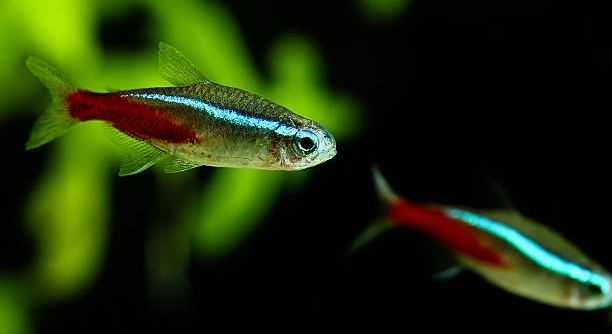
Are your tetras swimming together in a way that looks natural and healthy? Schooling behavior is important for their well-being and overall happiness in the tank. Recognizing proper schooling can help you maintain a balanced and thriving aquarium environment.
Proper schooling in tetras is characterized by synchronized swimming, close proximity between fish, and coordinated movements. This behavior helps reduce stress, improve protection from predators, and promote social interaction, which are all vital for their health and longevity.
Knowing how to identify correct schooling behavior ensures your tetras remain comfortable and active. This article will guide you through the key signs and tips for encouraging proper schooling.
What Does Proper Schooling Look Like?
Proper schooling means your tetras swim in a group with smooth, coordinated movements. They stay close together but not overcrowded, maintaining a uniform distance between each fish. This synchronized swimming helps them feel safe and less stressed. When schooling correctly, tetras usually swim in the same direction and change course together. If you notice some fish straying or swimming alone, it might indicate stress or health issues. Watching their behavior closely is important because it reflects their comfort and the tank’s environment quality. Factors like tank size, water conditions, and hiding spots affect schooling. Providing enough space and keeping the water clean encourages natural group behavior. Tetras also rely on each other’s movements to navigate and avoid danger. Proper schooling reduces aggression and helps maintain a peaceful tank atmosphere. Observing these signs regularly ensures your fish live happier, healthier lives.
Schooling also improves feeding efficiency. When fish school well, they share space while searching for food, preventing fights over resources.
Keeping the tank environment stable supports schooling. Regular water changes and proper filtration help maintain healthy water parameters. Providing plants or decorations offers security, which encourages tetras to stay together naturally.
Why Do Tetras Sometimes Fail to School Properly?
Schooling problems often arise from stress, poor water quality, or an unsuitable group size.
Stress can come from overcrowding, sudden changes in the tank, or aggressive tank mates. Water quality issues like high ammonia or nitrate levels also disturb schooling. Inadequate group size, especially fewer than six tetras, can make schooling weak or non-existent. Tetras rely on the presence of their group for social signals, so a small number may fail to display typical schooling behavior. Introducing tank decorations or plants can sometimes help fish feel secure enough to school. Monitoring water parameters and maintaining a stable environment reduces stress and promotes proper schooling. Balancing the number of tetras with tank size is crucial to avoid overcrowding while ensuring enough fish for natural group behavior. Addressing these issues can restore healthy schooling and improve your tetras’ overall well-being.
How Tank Size Affects Schooling
Tank size directly impacts how well tetras can school. Smaller tanks limit their movement and make it harder to swim in groups naturally.
A cramped tank prevents tetras from spreading out evenly, which disrupts their coordinated swimming. When space is limited, fish may feel stressed and hide more often, breaking the school. Tetras need room to swim side by side and adjust their position in response to each other’s movements. A larger tank allows more natural behavior and reduces competition for space. It also helps maintain stable water conditions, which supports healthy schooling. Choosing a tank size appropriate for the number of tetras you keep is essential for their comfort and social behavior.
Providing open swimming areas and hiding spots within the tank balances security with freedom to move. This encourages more natural schooling patterns and reduces aggressive interactions. Proper tank size and layout make a big difference in how tetras interact and thrive.
The Role of Water Quality in Schooling Behavior
Poor water quality quickly affects schooling behavior by stressing fish and causing erratic movements.
High ammonia, nitrite, or nitrate levels irritate tetras and weaken their immune systems. This can lead to isolation from the group or frantic swimming. Consistent water testing and changes keep harmful substances low and water parameters stable. Clean water helps fish feel secure and swim calmly as a group. Unstable conditions often cause tetras to scatter or hide, breaking their school. Maintaining proper temperature, pH, and oxygen levels also supports healthy schooling. Water quality affects fish health directly, so neglecting it will show in their behavior and appearance.
A well-maintained filtration system and regular water changes prevent toxins from building up. Adding live plants can improve oxygen levels and contribute to better water quality. Keeping the tank environment balanced is key to ensuring tetras school naturally and stay healthy.
Group Size and Schooling
Tetras school best in groups of six or more. Smaller groups often struggle to maintain proper schooling behavior.
A larger group provides the social cues tetras need to coordinate their swimming. Fewer fish may feel insecure or isolated.
Signs Your Tetras Are Not Schooling Properly
Tetras that swim separately, hide frequently, or show sudden aggressive behavior may not be schooling correctly. These signs often indicate stress or health problems.
Encouraging Proper Schooling in Your Tank
Keeping a stable environment with clean water, adequate space, and a proper group size promotes natural schooling. Adding plants or decorations can provide security and reduce stress, helping fish feel comfortable swimming together.
Feeding Tips to Support Schooling
Feed your tetras small amounts several times a day. This prevents competition and keeps the group calm during mealtime.
FAQ
How many tetras should be kept together for proper schooling?
Tetras need to be kept in groups of at least six to exhibit natural schooling behavior. Smaller groups often fail to coordinate and may appear stressed or isolated. Larger groups create better social dynamics and encourage synchronized swimming, which improves their overall well-being.
Can tetras school properly in a small tank?
Small tanks can restrict movement, making schooling difficult. Tetras need enough space to swim side by side and adjust their positions smoothly. A tank that is too small may cause stress and disrupt the natural school formation, so choosing an appropriate tank size is essential.
What water parameters support healthy schooling?
Stable water conditions with low ammonia, nitrites, and nitrates are critical. Ideal temperature ranges between 72°F and 80°F, with a neutral pH around 6.5 to 7.5. Clean, well-oxygenated water helps tetras swim calmly and stay together, reducing erratic or isolated behavior.
Why do some tetras swim alone or hide?
Isolation or hiding often indicates stress, illness, or poor water quality. It can also happen if the group is too small or the tank lacks security spots. Identifying and fixing these issues usually restores proper schooling.
How do tank decorations affect schooling?
Plants and decorations provide hiding places and reduce stress, which encourages tetras to school naturally. However, overcrowding the tank with too many decorations limits open swimming space, so balance is important for both security and freedom of movement.
What are signs of healthy schooling behavior?
Healthy schooling tetras swim closely but comfortably together, move in the same direction, and change course as a unit. Their movements appear fluid and coordinated, with little aggression or isolation.
How can feeding affect schooling?
Feeding small amounts multiple times a day prevents competition and aggression. It helps keep the group calm and focused, supporting their social behavior. Overfeeding or feeding large amounts at once can cause stress and break up the school.
Is it normal for tetras to break school sometimes?
Yes, occasional breaks in schooling happen, especially during feeding or rest. However, frequent or prolonged isolation can signal a problem with tank conditions or fish health.
Can new tetras disrupt schooling?
Adding new fish may temporarily disturb the school as they adjust to the group. It’s important to introduce new tetras slowly and maintain proper group size to help the school regain balance quickly.
How often should I test my aquarium water?
Testing water weekly is a good practice to catch any changes early. Consistent monitoring ensures the environment stays stable, which supports schooling behavior and overall fish health.
What role does tank lighting play in schooling?
Moderate, consistent lighting helps maintain a natural day-night cycle, reducing stress. Sudden bright lights or frequent changes can scare fish and disrupt schooling.
Can aggressive tank mates affect tetra schooling?
Yes, aggressive fish can cause stress and break up the school. Keeping peaceful tank mates is essential to maintain a calm environment where tetras can school properly.
Proper schooling is essential for the health and happiness of your tetras. When tetras swim together in a coordinated group, it shows that they feel safe and comfortable in their environment. Schooling helps reduce stress, encourages natural behavior, and can even improve their chances of avoiding disease. By paying attention to how your tetras move and interact, you can better understand their needs and provide a better home for them. Watching them swim smoothly as a group is not only good for their well-being but also makes your tank look more lively and balanced.
Maintaining the right conditions in your aquarium plays a big role in encouraging proper schooling. This includes having a large enough tank with plenty of space for your tetras to move freely. Water quality must also be kept stable with regular testing and cleaning to avoid stress caused by toxins or poor conditions. Keeping at least six tetras together helps them feel secure and supports their natural social behavior. It’s also important to provide places where they can hide or rest, such as plants or decorations, so they feel safe without crowding the open swimming areas. These steps create a balanced environment where schooling can happen naturally.
Finally, observing your tetras regularly helps you notice any changes in their behavior early. If some fish start swimming alone, hiding too much, or showing signs of stress, it may be a signal to check tank conditions or group size. Proper feeding, clean water, and a suitable tank setup all work together to promote healthy schooling. Taking these simple actions supports your tetras’ well-being and creates a peaceful, beautiful aquarium. With consistent care, you can enjoy watching your tetras thrive as they school properly and display their natural, graceful movements.

Hello,
If you enjoy the content that we create, please consider saying a "Thank You!" by leaving a tip.
Every little bit helps us continue crafting quality advice that supports the health, happiness, and well-being of pets around the world, for pets of all shapes, sizes, and species.
We really appreciate the kindness and support that you show us!