
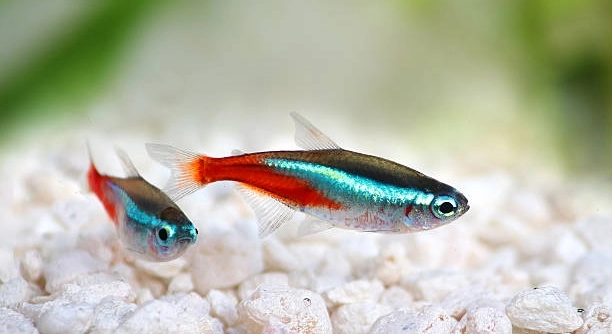
Tetras are popular aquarium fish known for their bright colors and peaceful nature. Many fish owners wonder about the lighting preferences of tetras to create the best environment. Knowing what tetras like helps keep them healthy and comfortable in tanks.
Tetras generally prefer moderate to low lighting rather than bright light. They thrive in environments that mimic shaded or dimly lit waters, as strong light can stress them and affect their behavior and health.
Understanding how light affects tetras will help you set up a tank they enjoy. Proper lighting contributes to their well-being and makes watching them more pleasant.
Understanding Tetras’ Natural Habitat
Tetras are native to the shaded, slow-moving waters of South America. Their natural environment is filled with plants, fallen leaves, and overhanging trees that block direct sunlight. This means tetras have adapted to live comfortably in dim or filtered light rather than bright, harsh lighting. In an aquarium setting, replicating these conditions helps them feel safe and less stressed. Bright lights can cause them to hide or become anxious, which may lead to health problems. Providing some plants or decorations that cast shadows creates a natural feel. Many aquarists find that low to moderate light levels encourage tetras to display their colors beautifully while remaining active. Using adjustable lighting or a timer also helps simulate day and night cycles, which is important for their well-being.
Keeping the tank lighting low to moderate is key to creating a calm space for tetras to thrive.
Setting up the right lighting also impacts algae growth and plant health in your aquarium. Too much light can cause excessive algae, making the tank harder to maintain. Balanced lighting supports both fish and plants, creating a stable environment.
Adjusting Lighting in Your Aquarium
Light intensity directly affects how tetras behave in the tank.
Too much light often makes tetras seek shaded areas or hide, while low light encourages natural activity and social behavior. To find the best lighting, start with a dim setting and increase gradually if needed. Observing the fish helps determine their comfort level. Some tetras may prefer slightly brighter light if the tank is well planted. Using floating plants or aquarium decorations can help diffuse the light. Also, setting a consistent day-night cycle with a timer avoids stressing the fish with sudden changes. Remember, lighting is just one part of tank care, but getting it right improves the health and happiness of your tetras in the long term.
Signs Tetras Are Comfortable or Stressed by Light
When tetras feel comfortable with their lighting, they swim openly and show their true colors. They gather in groups and explore the tank without hiding. Bright or harsh light often causes them to stay near plants or decorations, avoiding well-lit areas. Stress from lighting may also reduce their appetite or make them restless.
Tetras prefer dimmer light that mimics shaded water environments. If the light is too strong, they may dart quickly or hide, which signals discomfort. Healthy tetras usually appear calm, swim smoothly, and interact with tank mates. Watching their behavior closely is a good way to adjust lighting and make sure their environment suits them well.
Providing shaded spots with plants or decorations can help tetras adjust to lighting changes. Observing their daily patterns can indicate if the light level matches their needs or if adjustments are necessary to keep them healthy and happy.
Best Lighting Types for Tetra Tanks
LED lights are popular for tetra tanks because they offer adjustable brightness and use less energy. They produce less heat, which keeps the water temperature stable. LED lights also last longer, making them practical for daily aquarium use.
Using lights with a color temperature around 5000K to 7000K mimics natural daylight and shows off tetra colors well. Avoid overly bright or cool-toned lights, as they can stress the fish. Soft, warm lighting creates a calm environment that supports natural behaviors. Installing a dimmer switch or timer helps maintain consistent lighting schedules, reducing stress and promoting healthy fish activity.
Combining LED lighting with live plants improves water quality and provides natural shade. This setup benefits both the fish and the overall tank ecosystem, making it easier to maintain a balanced habitat for your tetras.
Ideal Light Duration for Tetras
Tetras do best with about 8 to 10 hours of light each day. Too much light can cause stress and encourage algae growth. Too little light may affect their natural behavior and the health of live plants in the tank.
A consistent light schedule helps maintain a healthy environment. Using a timer ensures the tank lights turn on and off at the same time every day, which supports the fish’s natural rhythms.
Effects of Excessive Light on Tetras
Excessive lighting can make tetras shy and hide more often. It increases stress levels, which can weaken their immune system and make them prone to illness. High light also promotes algae growth, which can make the tank dirty and reduce oxygen levels.
Creating a Balanced Lighting Setup
Balancing light means providing enough illumination for plants and fish without causing stress. Using adjustable lights and adding plants to create shade helps achieve this balance.
Using Plants to Control Light Intensity
Live plants naturally filter light and offer shaded areas. They improve water quality and reduce stress for tetras.
FAQ
Do tetras need special lighting compared to other fish?
Tetras do not require very special lighting but prefer moderate to low light compared to many tropical fish. Their natural habitat has shaded water, so bright, intense light is not ideal. Using adjustable lighting helps create a comfortable space that fits their needs better than standard bright aquarium lights.
Can too little light harm my tetras?
While tetras tolerate low light well, extremely dim or no light can disrupt their natural behaviors. Fish rely on light to regulate activity and feeding times. Also, if you keep live plants, they need some light to survive, which indirectly benefits tetras by improving water quality and offering shelter.
How can I tell if my tetras are stressed by lighting?
Signs of light stress include hiding frequently, sudden darting movements, loss of color vibrancy, and reduced appetite. If your tetras consistently stay in shaded areas or under decorations, the lighting may be too bright. Adjusting light intensity or adding plants for shade usually helps reduce stress.
Is it better to have a natural day-night cycle for tetras?
Yes, maintaining a regular light schedule with about 8 to 10 hours of light followed by darkness mimics their natural environment. This routine helps regulate their sleep, feeding, and social behaviors. Using a timer makes it easy to keep the cycle consistent and prevents sudden changes that might stress the fish.
What kind of light bulb is best for a tetra aquarium?
LED lights are the best choice because they produce less heat, use less energy, and can be adjusted for brightness. Their color temperature between 5000K and 7000K mimics daylight well and shows tetra colors naturally. Avoid overly bright or cool-toned bulbs that can stress the fish.
Can I use a planted tank setup to help with lighting for tetras?
Definitely. Live plants help filter light, provide shade, and improve water quality, which all benefit tetras. Plants reduce excess light by creating natural shadows, making the environment more comfortable. They also oxygenate the water and provide hiding spots, reducing stress for your fish.
How often should I change or adjust aquarium lighting for tetras?
You don’t need to change lighting frequently unless you notice signs of stress or unhealthy algae growth. Seasonal changes might require minor adjustments. It’s important to monitor your tetras’ behavior and plant health to decide if the light schedule or intensity needs tweaking.
Will colored LED lights affect my tetras?
Colored lights can look attractive but are generally not recommended for daily use. They don’t provide natural light that fish and plants need, and too much color can confuse or stress tetras. If you want colored lights, use them sparingly and not during normal daytime hours.
Does lighting affect tetra breeding behavior?
Yes, proper lighting plays a role in breeding. Tetras breed better under low to moderate light, similar to shaded water conditions. Bright light may discourage spawning or cause stress that prevents breeding. Simulating natural light cycles supports healthier reproductive behavior.
Can aquarium decorations help manage light for tetras?
Yes, decorations like rocks, driftwood, and plants create shaded spots that tetras use to feel safe. These shaded areas reduce the effect of strong light and encourage natural hiding and resting behaviors. Decorations help balance light exposure throughout the tank.
What is the best way to avoid algae caused by lighting?
Keeping light duration between 8 and 10 hours daily and avoiding very bright lights helps prevent algae overgrowth. Live plants compete with algae for nutrients, reducing their spread. Regular tank cleaning and avoiding excess nutrients from overfeeding also keep algae in check.
Is it okay to keep tetras with bright lighting if they have plenty of shade?
Bright lighting can work if you provide sufficient shaded areas with plants or decorations. Tetras will use those shaded spots to escape intense light. However, bright, constant light still risks stressing the fish, so it’s best to keep the overall brightness moderate and provide natural shelter.
Tetras are peaceful fish that do best in environments that feel natural to them. Their preference for moderate to low lighting comes from their origins in shaded, slow-moving waters. In an aquarium, mimicking these conditions helps tetras stay healthy and comfortable. Bright lights can cause stress and hide their true colors, while softer, dimmer lighting encourages calm and natural behavior. Providing places for tetras to hide or rest, like plants and decorations, also improves their overall well-being. The right lighting setup supports their activity levels and helps maintain their vibrant appearance.
Maintaining a consistent lighting schedule is important for tetras. Around 8 to 10 hours of light each day works well, allowing the fish to follow a natural day-night cycle. Using a timer to turn the lights on and off at the same time daily makes this easy to manage. Consistent lighting helps regulate feeding, activity, and rest, all of which are essential for healthy fish. Overly long lighting periods or very bright lights can cause stress and promote algae growth, which complicates tank maintenance. Finding the right balance keeps the aquarium stable and enjoyable for both fish and keeper.
Finally, using LED lights and live plants creates an ideal environment for tetras. LED lights offer adjustable brightness and mimic natural daylight without producing too much heat. Live plants provide shade, oxygen, and natural hiding spots, reducing stress and encouraging natural behavior. Together, these elements support water quality and create a balanced habitat that benefits tetras long-term. Paying attention to how your fish respond to lighting and making small adjustments will help you create a peaceful, thriving aquarium where tetras can truly flourish.

Hello,
If you enjoy the content that we create, please consider saying a "Thank You!" by leaving a tip.
Every little bit helps us continue crafting quality advice that supports the health, happiness, and well-being of pets around the world, for pets of all shapes, sizes, and species.
We really appreciate the kindness and support that you show us!