
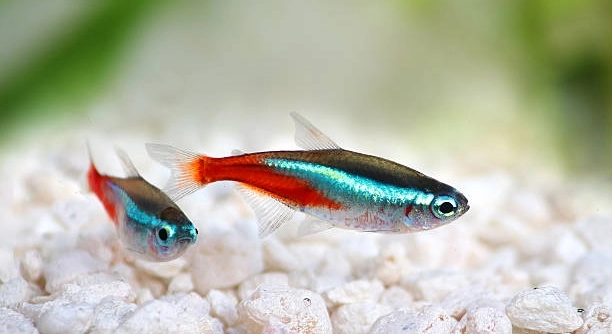
Are your tetra fish constantly rubbing against objects in their tank? Many aquarium owners notice this behavior and wonder what it means. It can be worrying to see your fish acting this way without knowing why.
Tetras rubbing on things usually indicates irritation caused by parasites, poor water quality, or stress. Physical discomfort often leads them to scrape against surfaces to relieve itching or remove unwanted irritants. Understanding these causes can help improve your fish’s health.
Knowing why your tetra behaves this way is important for their well-being. Identifying the reasons behind this rubbing can prevent further issues and keep your aquarium balanced and healthy.
Parasites Causing Irritation
Parasites are a common reason why tetras rub against objects in the tank. These tiny creatures attach themselves to the fish’s skin or gills, causing discomfort and itching. When a tetra feels irritated by parasites like ich or flukes, it tries to scratch or rub against rough surfaces to ease the sensation. This behavior can sometimes lead to damaged scales or skin infections if not addressed. It is important to regularly check your fish for signs of parasites, such as white spots, redness, or unusual swimming patterns. Treating the tank with appropriate medication and maintaining clean water can help eliminate parasites and stop the rubbing behavior. Preventing parasites by quarantining new fish before adding them to the tank is also a good practice to keep your tetras healthy.
Parasites often develop quickly in tanks with poor conditions, making early detection crucial to avoid long-term health problems for your fish.
Keeping the tank clean and monitoring your tetras closely will reduce the risk of parasites and the rubbing behavior that comes with it.
Poor Water Quality
Poor water quality is a significant stress factor for tetras, often causing them to rub on tank surfaces. High levels of ammonia, nitrites, or nitrates irritate their skin and gills, making them uncomfortable. Dirty water can also reduce oxygen levels, stressing the fish further. When tetras are stressed, they show changes in behavior, including rubbing or scraping themselves. Regular water tests help identify harmful chemicals early. Performing partial water changes keeps the environment stable and safe for your fish. Besides chemical imbalance, temperature fluctuations and incorrect pH levels can also contribute to discomfort. Maintaining a consistent, clean environment with proper filtration helps prevent these issues. If water quality problems persist, tetras may develop illnesses that worsen rubbing or cause lethargy and loss of appetite. Keeping your aquarium well-maintained is key to avoiding these problems and ensuring your tetras thrive.
Stress and Tank Environment
Stress from overcrowding or aggressive tank mates can make tetras rub on things. Fish feel threatened or uneasy when space is limited or when other fish chase or nip at them. Rubbing is a way to cope with this stress and discomfort. To reduce stress, make sure the tank has enough space and hiding spots. Avoid keeping aggressive fish with tetras. Sometimes adding plants or decorations helps create a calm environment. Regular feeding and a consistent light schedule also support their well-being. Watching how your tetras interact will show if stress might be the cause of rubbing.
A peaceful tank setup helps tetras feel secure and reduces unwanted behaviors like rubbing.
Managing tank conditions and social interactions will help your tetras live comfortably and avoid stress-related issues.
Physical Injuries or Irritations
Physical injuries can cause your tetra to rub against tank surfaces. Scrapes or cuts from sharp decorations or rough gravel irritate their skin. This discomfort makes them try to relieve itching by rubbing.
Injuries may happen when fish bump into sharp edges or fight with tank mates. Even small cuts can lead to infections if left untreated. Removing hazardous objects and smoothing rough surfaces reduces the chance of injury. Observing your tetra daily helps spot wounds early. If you notice damaged scales or bleeding, treating the tank with antibacterial medication may be necessary. Prompt action prevents infections and helps your fish heal faster.
Keeping decorations safe and checking for injuries regularly helps protect your tetra from discomfort and rubbing behavior.
Stress from Poor Diet
A poor diet can stress your tetra and cause it to rub on things. Missing essential nutrients weakens their immune system, making them more vulnerable to irritation and illness.
Tetras need a balanced diet that includes high-quality flakes, pellets, and occasional live or frozen food like brine shrimp or daphnia. Lack of variety or feeding only one type of food can cause deficiencies. These deficiencies reduce their ability to fight off infections and parasites, which can lead to rubbing behavior. Feeding your fish a nutritious and varied diet supports their health and keeps their skin and scales strong. Adjusting feeding habits and providing supplements when needed can improve your tetra’s condition and reduce rubbing caused by stress.
A good diet not only supports overall health but also lowers stress, which can prevent many behavioral problems.
Algae or Debris on the Skin
Sometimes, algae or debris can build up on a tetra’s body, causing irritation. This buildup makes them rub against tank surfaces to try to clean themselves.
Regular tank cleaning and water changes help prevent this problem. Keeping the tank free from excess algae reduces discomfort and stops rubbing behavior.
Incorrect Tank Size
A tank that is too small limits swimming space and causes stress. Tetras need enough room to swim freely to stay healthy and comfortable.
Overcrowding increases stress levels and leads to rubbing behavior. Providing a larger tank with adequate space reduces stress and improves your tetra’s quality of life.
Chemical Irritants
Chemicals like chlorine or heavy metals in tap water irritate tetras’ skin and gills. Using a water conditioner helps remove these harmful substances.
Regular testing and treating tap water before adding it to the tank protects your fish from irritation and rubbing.
FAQ
Why is my tetra rubbing against the tank even though the water looks clean?
Even if the water looks clear, there can be invisible issues like parasites or chemical irritants causing your tetra discomfort. Parasites such as ich may not be obvious at first, and small amounts of chlorine or heavy metals can irritate fish skin. Testing the water regularly and treating it properly can help prevent these problems. Also, check for injuries or stress from tank mates, as these can cause rubbing even in clean water.
Can rubbing cause permanent damage to my tetra?
Yes, constant rubbing can damage your tetra’s skin and scales. This can lead to infections or open wounds if not addressed quickly. Scrapes from rough surfaces or fights with other fish worsen the damage. Keeping the tank free from sharp decorations and managing tank mates helps reduce this risk. If you notice your tetra rubbing a lot, inspect for injuries and consider treatments to prevent infection.
How do I know if parasites are causing my tetra to rub on things?
Look for signs like white spots, redness, or flashing—when fish rub themselves rapidly. Parasites often cause these visible symptoms along with rubbing behavior. Parasite infections can spread quickly, so early treatment is important. Quarantining new fish and maintaining good water quality help prevent parasites from entering your tank. If unsure, consulting a vet or aquarium expert can guide you to the right treatment.
Is stress from tank mates really a big factor in rubbing behavior?
Yes, stress caused by aggressive or overly active tank mates can make tetras rub on objects. Stress weakens their immune system and causes discomfort. Overcrowding also increases stress. Providing enough space and peaceful tank mates helps reduce rubbing caused by stress. Adding hiding spots gives your tetra a place to feel safe, lowering anxiety and unwanted behavior.
What can I do to improve water quality and prevent rubbing?
Regular water changes, testing for ammonia, nitrites, and nitrates, and using proper filtration are key to good water quality. Avoid overfeeding to reduce waste buildup. Conditioning tap water before adding it to the tank removes harmful chemicals. Keeping the tank clean and stable reduces irritation and keeps your tetras comfortable.
Will changing my tetra’s diet help reduce rubbing?
A balanced diet rich in nutrients supports your tetra’s immune system and skin health, reducing rubbing caused by irritation or infections. Feeding a variety of foods like high-quality flakes, pellets, and occasional live or frozen foods ensures they get all essential nutrients. Poor nutrition weakens their defenses, so improving diet often improves behavior.
Can decorations cause my tetra to rub more?
Yes, sharp or rough decorations can injure your tetra, causing them to rub against surfaces to ease discomfort. Avoid decorations with sharp edges or rough textures. Smooth, safe decorations help prevent physical injuries and reduce rubbing behavior.
How quickly should I act if my tetra starts rubbing a lot?
It’s best to act quickly. Rubbing can signal parasites, infections, or stress, which can worsen if ignored. Early intervention with water testing, treatment, and tank adjustments improves your fish’s chances of recovery. Monitoring behavior daily helps catch problems early.
Is rubbing always a sign of illness?
Not always. Sometimes, tetras rub as a response to mild irritation or stress that isn’t related to serious illness. However, persistent rubbing is usually a sign something needs attention. It’s important to observe other symptoms like changes in appetite, swimming patterns, or appearance to determine if medical treatment is needed.
Can improving tank environment alone stop rubbing behavior?
Improving tank environment by cleaning regularly, providing space, and reducing stress often reduces rubbing. However, if parasites or illness are present, treatment is also necessary. Combining good tank care with proper medical care ensures the best results for your tetra’s health.
Tetras rubbing on things is a behavior that usually signals some kind of discomfort. This discomfort can come from different sources such as parasites, poor water quality, stress, or physical injuries. It’s important to pay attention to this behavior because it can lead to bigger health problems if left unchecked. Observing your fish closely and maintaining a clean, stable environment will help you catch any issues early on. Taking quick action makes a big difference in keeping your tetra healthy and comfortable.
Keeping the tank clean and providing the right care is key to preventing rubbing caused by irritation or stress. Regular water changes and proper filtration improve water quality, which helps reduce skin and gill irritation. Feeding your tetra a balanced diet also supports its immune system and skin health, lowering the chances of rubbing behavior caused by nutritional problems. Making sure your tank isn’t overcrowded and avoiding aggressive tank mates can reduce stress, which is another common cause of rubbing. Small changes in the tank setup can have a big impact on your fish’s well-being.
If your tetra continues to rub despite your efforts, it may be a sign of a deeper problem like parasites or an infection. Treating the tank properly and consulting with an aquarium expert or veterinarian might be needed. Early diagnosis and treatment help prevent long-term damage to your fish. Remember, maintaining a calm and healthy environment is one of the best ways to keep your tetras happy. With regular care and attention, you can enjoy watching your fish thrive without worrying about rubbing behavior.

Hello,
If you enjoy the content that we create, please consider saying a "Thank You!" by leaving a tip.
Every little bit helps us continue crafting quality advice that supports the health, happiness, and well-being of pets around the world, for pets of all shapes, sizes, and species.
We really appreciate the kindness and support that you show us!