
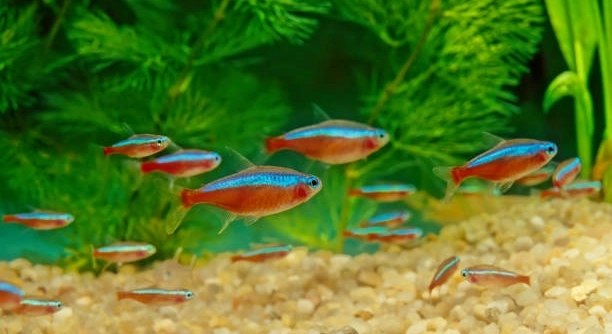
Are your tetra fish acting nervous or hiding whenever new fish join the tank? Many aquarium owners notice their tetras becoming shy or skittish with new additions. Understanding this behavior can help keep your fish calm and healthy.
Tetras often react fearfully to new fish because of stress from sudden changes, unfamiliar scents, or territorial instincts. These causes trigger natural caution and defensive behavior as tetras try to adjust to their altered environment.
Recognizing these common reasons will help you create a peaceful tank environment and improve your fish’s comfort around newcomers.
Sudden Changes in Environment
When you add new fish to your tank, the sudden change can be overwhelming for your tetras. Fish are very sensitive to shifts in their surroundings. New fish bring different movements, smells, and sometimes even different water chemistry. These changes can make tetras feel unsure or threatened. They rely on a stable environment to feel safe. When that stability is disrupted, tetras tend to hide or act skittish as a way to protect themselves. Even small changes, like rearranging decorations or adjusting lighting, can add to their stress. Giving your tetras time to adjust slowly can reduce their fear. Adding new fish gradually and keeping the tank environment steady helps them adapt better. Patience is key because fish need a routine and predictability to feel comfortable again.
Giving tetras time to adjust helps reduce their fear and lets them feel more secure in their tank.
Creating a calm and consistent tank environment is the best way to ease the tension. Keep changes minimal when introducing new fish. Use a quarantine tank to let new fish settle before mixing them. Add new fish during dim lighting to avoid sudden excitement. Observing your tetras calmly rather than disturbing them also helps. Over time, their natural curiosity will return, and they will learn that the new fish are not a threat. Consistency in feeding, water temperature, and tank setup gives your tetras confidence to explore and interact peacefully.
Territorial Behavior
Tetras often feel the need to protect their space in the tank. When new fish arrive, they may see them as intruders. This can cause stress and fear, making them act shy or hide.
Territorial instincts in tetras are natural. They prefer familiar areas where they feel safe. New fish challenge their sense of control over their environment. This leads to defensive behaviors like swimming away quickly or clustering together. Some tetras might even chase the newcomers. Providing plenty of hiding spots and plants helps reduce conflicts. Breaking up open spaces with decorations gives each fish its own area. Monitoring the tank for signs of aggression and adjusting the number of fish can also prevent stress. Managing territory carefully ensures all fish feel secure, which lowers fear and promotes harmony.
Lack of Familiarity with New Fish
Tetras feel safer around fish they know well. New fish bring unfamiliar scents and movements that can make them uneasy. This unfamiliarity causes them to be cautious and keep their distance.
This reaction is natural because fish rely heavily on scent to recognize tank mates. When new fish enter the tank, the tetras need time to learn these new scents and figure out if they pose a threat. Their initial fear is a way to protect themselves from potential danger. Introducing new fish slowly and allowing them to mix in a separate tank first can help tetras get used to their presence gradually. Over time, this approach helps reduce stress and builds a sense of security.
Creating a peaceful introduction process is important. Using a divider or quarantine tank allows tetras to observe new fish without direct contact. This separation helps tetras adjust to the new scents and movements without feeling overwhelmed. Gradual exposure reduces fear and encourages curiosity. Once they feel comfortable, removing the barrier can lead to smoother social interactions and a more peaceful community tank.
Water Quality Differences
Even small changes in water conditions can stress tetras. New fish sometimes come from tanks with different water parameters, causing discomfort for your tetras.
Water quality affects fish health and behavior directly. Differences in pH, temperature, or hardness between the new fish’s previous environment and your tank can be a shock to your tetras. Stress from these changes makes them more likely to hide or act scared. Testing water regularly and ensuring all fish share similar requirements is essential. Slowly adjusting water conditions when introducing new fish helps minimize shock. Proper acclimation, such as floating the new fish in a bag to equalize temperature, can also ease the transition. Good water quality supports fish health and reduces fear responses.
Overcrowding in the Tank
Too many fish in one tank can stress your tetras. Overcrowding limits space and increases competition for resources.
This stress makes tetras more likely to hide or act fearful. Each fish needs enough room to swim and find shelter comfortably.
Incompatible Tank Mates
Some fish don’t get along well with tetras. Aggressive or very active fish can intimidate them quickly.
Tetras feel threatened when other fish chase or bully them. Choosing peaceful tank mates helps create a calm environment. Mixing species that share similar temperaments reduces stress and fear in your tetras.
Insufficient Hiding Places
Tetras need places to hide when they feel scared. Without enough plants, caves, or decorations, they can feel exposed.
Providing plenty of hiding spots gives tetras a safe space to retreat. This helps lower their stress and makes them feel more secure in the tank.
Why do my tetras hide when I add new fish?
Tetras hide when new fish are introduced because they feel uncertain and threatened. New fish bring unfamiliar scents, movements, and possible changes in behavior that make tetras cautious. Hiding is a natural defense mechanism that helps them feel safer until they get used to the new environment.
How long does it take for tetras to stop being afraid of new fish?
The adjustment period varies, but generally, tetras may take from a few days to a couple of weeks to feel comfortable around new fish. Factors like tank size, the number of fish, and how different the new fish are play a role. Gradual introductions and maintaining stable tank conditions can help speed up the process.
Can overcrowding make tetras more fearful?
Yes, overcrowding increases stress because fish compete for space, food, and hiding spots. When there is not enough room, tetras feel threatened and may become fearful or hide more often. Ensuring adequate tank size and stocking levels helps reduce stress and creates a calmer environment.
What tank mates are best for tetras?
Peaceful fish that share similar water needs and temperaments are best. Species like guppies, mollies, or other small community fish usually get along well with tetras. Avoid aggressive or very large fish, as they can intimidate tetras and increase fear.
Does water quality affect tetra behavior around new fish?
Absolutely. Tetras are sensitive to changes in water temperature, pH, and hardness. If new fish come from different water conditions, tetras may feel stressed and behave fearfully. Maintaining consistent water parameters and slowly acclimating new fish minimizes this issue.
How can I help my tetras adjust to new fish faster?
Introduce new fish slowly using a quarantine tank or divider. This allows tetras to see and smell the new fish without direct contact. Also, keep lighting soft during introductions, provide plenty of hiding spots, and avoid sudden tank changes. Patience and consistency help tetras feel safe sooner.
Are there signs that new fish are bullying tetras?
Yes. If tetras constantly hide, show torn fins, lose color, or act lethargic, they may be stressed by bullying. Aggressive chasing or nipping from new fish can cause this. Monitor interactions closely and separate fish if needed to protect your tetras.
Will rearranging the tank make my tetras more fearful of new fish?
Rearranging decorations or plants can add to tetras’ stress because they rely on familiar landmarks for security. If you need to rearrange, do it gradually and avoid doing it right when introducing new fish. Keeping the environment stable helps tetras feel safer.
Can adding more hiding spots reduce tetra fear?
Yes, adding plants, caves, and decorations gives tetras places to retreat when they feel scared. This lowers their stress levels and encourages them to explore the tank more confidently. A well-decorated tank is key to helping shy tetras adjust.
Is it normal for tetras to swim in groups when new fish arrive?
Yes, schooling together is a natural response for tetras when they feel threatened. Grouping helps them feel more secure and can be a way to protect themselves from potential danger. Over time, as they adjust, they may become more independent in the tank.
Introducing new fish to a tank can be a stressful experience for your tetras. They are naturally cautious and sensitive to changes in their environment. This caution helps them avoid danger in the wild, but in an aquarium, it can make them seem afraid or shy. Many factors, such as sudden changes, unfamiliar tank mates, and water quality differences, can cause this behavior. Understanding these causes is important to help your tetras feel more secure and comfortable. When you know what makes them nervous, you can take simple steps to reduce their stress and create a peaceful tank environment.
One key to helping your tetras adjust is to be patient. Tetras need time to get used to new fish and changes in their surroundings. Rushing the process or making too many changes at once will only increase their fear. It is best to introduce new fish slowly and carefully, allowing your tetras to observe without feeling threatened. Providing plenty of hiding places and keeping the water clean and stable also supports their well-being. Small changes, such as dimming the lights during introductions or adding plants for shelter, can make a big difference. These efforts help your tetras feel safer and encourage them to explore and socialize again.
Overall, tetras’ fearful behavior around new fish is normal and usually temporary. By understanding the reasons behind their fear, you can help them adjust more smoothly. Maintaining a stable tank environment, choosing compatible tank mates, and managing overcrowding all contribute to reducing stress. With time and care, your tetras will grow more confident and enjoy their home alongside new fish. Watching them settle and thrive together is rewarding and shows that your thoughtful approach is working well.

Hello,
If you enjoy the content that we create, please consider saying a "Thank You!" by leaving a tip.
Every little bit helps us continue crafting quality advice that supports the health, happiness, and well-being of pets around the world, for pets of all shapes, sizes, and species.
We really appreciate the kindness and support that you show us!