
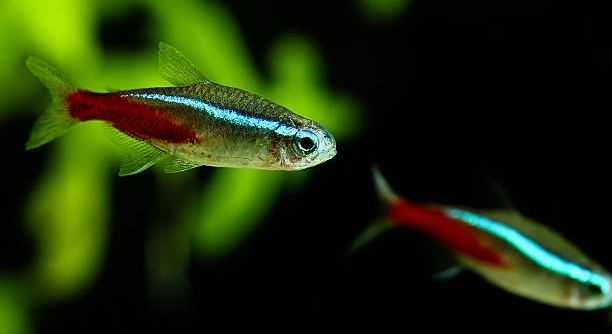
Many people keep Tetras as peaceful, colorful pets in their aquariums. These small fish live best in calm environments with clean water and steady conditions. Understanding what stresses them helps keep them healthy and happy.
Tetras become stressed due to poor water quality, sudden changes in environment, overcrowding, improper diet, aggressive tank mates, inadequate hiding spots, and inconsistent lighting. Each factor affects their well-being and can lead to illness or behavior changes.
Knowing these stress causes will help you create a better home for your Tetras and improve their overall health and comfort.
Poor Water Quality
Tetras are very sensitive to the water they live in. If the water has too many toxins like ammonia or nitrites, it can make them sick quickly. Dirty water with leftover food or waste can cause stress and damage their gills and fins. It is important to test the water regularly to keep levels safe. Using a good filter helps remove harmful chemicals and keeps the water clear. Changing about 20% of the water every week can prevent problems before they start. When the water is clean and balanced, Tetras swim actively and show their bright colors.
Testing water for ammonia, nitrites, and nitrates is a simple step to keep Tetras safe.
Keeping the water clean means keeping the fish healthy. Using a reliable filtration system and regular water changes stops harmful chemicals from building up. You can use a water testing kit to check the water’s pH and chemical levels. Tetras do best with a pH between 6.5 and 7.5. Avoid sudden changes in water temperature, which can also cause stress. Stable, clean water allows Tetras to grow and feel comfortable in their tank.
Sudden Changes in Environment
Tetras do not handle sudden changes well. Moving them to a new tank or rearranging decorations can confuse and stress them. Loud noises or bright lights can also upset their routine. These changes can make them hide or stop eating.
When you must change something, do it slowly to give the fish time to adjust.
Sudden changes cause Tetras to release stress hormones, which weaken their immune system. This makes them more likely to get diseases. When you set up a new tank, try to keep the water temperature and pH similar to their old tank. Introduce new decorations one at a time and avoid sudden loud sounds near the aquarium. Gradual changes allow Tetras to feel safe and reduce the risk of stress-related problems. Creating a calm environment is key for their well-being.
Overcrowding
Too many fish in one tank causes stress for Tetras. They need space to swim freely and hide when needed.
When the tank is overcrowded, waste builds up quickly, lowering water quality and making it harder to maintain stable conditions. Overcrowding increases competition for food and territory, causing aggression among fish. Tetras prefer to live in groups but need enough space to avoid constant stress. A good rule is one inch of fish per gallon of water, but this varies with tank setup. Providing plenty of plants and hiding spots can ease tension and give fish places to retreat.
Overcrowded tanks often lead to poor health and weaker immune systems in Tetras. Stressed fish show signs like clamped fins, loss of color, and reduced activity. Regular monitoring and tank maintenance help prevent overcrowding. If you notice aggressive behavior or signs of stress, consider moving some fish to another tank. Keeping the population balanced ensures a peaceful environment where Tetras can thrive.
Improper Diet
Feeding Tetras the wrong food or too much can cause stress and health problems. They need a varied diet to get all the nutrients required.
A diet limited to flakes or low-quality food can lead to poor growth and weakened immunity. Tetras enjoy small live or frozen foods like brine shrimp, daphnia, or bloodworms, which provide essential proteins and fats. Overfeeding can pollute the water and cause obesity, so feed small amounts that they can eat within two minutes once or twice daily. Balanced nutrition helps maintain vibrant colors and good energy levels.
Supplementing their diet with high-quality flakes or pellets designed for small tropical fish supports their health. Occasionally adding fresh vegetables like finely chopped spinach or zucchini can provide fiber. Watching their eating habits and adjusting portions prevents leftover food from decaying in the tank. Proper feeding not only keeps Tetras healthy but also reduces stress from poor nutrition or hunger.
Aggressive Tank Mates
Tetras can become stressed if they share their tank with aggressive fish. Aggressive species may chase or nip at them, causing injury and fear.
Peaceful community fish are better companions. Avoid adding larger or territorial fish that could bully Tetras and disrupt the tank’s harmony.
Inadequate Hiding Spots
Tetras feel safer when they have places to hide. Without enough plants or decorations, they become anxious and stressed.
Providing live plants, caves, or small decorations helps Tetras retreat when they feel threatened or need rest.
Inconsistent Lighting
Tetras need a regular day and night cycle. Sudden or irregular lighting can confuse their natural rhythm.
Consistent lighting supports healthy behavior and reduces stress by mimicking their natural environment. Avoid keeping lights on too long or turning them off abruptly.
What are the common signs that my Tetra is stressed?
Stressed Tetras often show changes in behavior and appearance. They may hide more than usual or swim erratically. Loss of color, clamped fins, and reduced appetite are common signs. Some Tetras become lethargic and stop interacting with other fish. Watching for these signs early can help prevent serious health problems.
How often should I test my aquarium water for Tetras?
Testing water once a week is ideal for maintaining a healthy environment. Important factors to check include ammonia, nitrites, nitrates, and pH levels. Regular testing helps catch issues before they become harmful. If water quality drops, perform partial water changes immediately to reduce toxins.
Can Tetras live with other fish species?
Yes, but choose peaceful fish that won’t stress or harm Tetras. Good tank mates include small, non-aggressive species like Corydoras catfish or small rasboras. Avoid large or aggressive fish that could chase or nip at Tetras. Properly sized tanks with plenty of hiding spots also reduce stress from tank mates.
How do I create hiding spots for my Tetras?
Use live or artificial plants, small caves, and decorations to give Tetras places to retreat. Dense plants like Java fern or Anubias are good choices. Arranging decorations to create shaded areas helps Tetras feel secure. Providing multiple hiding spots reduces competition and lowers stress.
What is the best diet for Tetras?
A varied diet is key. Feed high-quality flakes or pellets designed for tropical fish. Supplement with frozen or live foods like brine shrimp, daphnia, or bloodworms. Occasional fresh veggies like spinach add fiber. Feed small amounts once or twice a day, avoiding overfeeding to keep water clean.
Why is stable water temperature important for Tetras?
Tetras thrive in water between 72°F and 78°F (22°C to 26°C). Sudden temperature changes stress their immune systems and can lead to illness. Use an aquarium heater with a thermostat to maintain steady temperatures. Avoid placing tanks near drafts or heat sources to prevent fluctuations.
How can I reduce stress during tank maintenance?
Perform water changes gently and avoid sudden shifts in water parameters. Use a siphon to clean the substrate slowly without disturbing fish too much. Keep the water temperature and pH stable during changes. Turning off aquarium lights and minimizing noise helps reduce fish anxiety during maintenance.
Can overcrowding cause disease in Tetras?
Yes, overcrowding increases waste and lowers water quality, creating a breeding ground for harmful bacteria and parasites. Stressed fish have weaker immune systems and are more likely to get sick. Keeping the tank population balanced and performing regular water changes prevent disease outbreaks.
What should I do if my Tetras show signs of stress?
First, check water quality and tank conditions for any problems. Make sure the tank isn’t overcrowded and that tank mates are peaceful. Adjust lighting and add hiding spots if needed. Feeding a balanced diet and maintaining stable temperature also help. If stress continues, consider consulting a vet experienced with fish.
How important is tank size for Tetras?
Tank size matters a lot. Small tanks can quickly become polluted and cause stress. A minimum of 10 gallons is recommended for a small group of Tetras. Larger tanks provide more stable water conditions and space to swim freely, reducing stress and improving overall health.
Taking good care of Tetras means understanding what stresses them out and how to avoid it. These small fish are sensitive to their environment, and even small changes can affect their health. Keeping the water clean and stable is one of the most important steps. Regular testing and water changes help maintain a safe home for Tetras. Overcrowding should be avoided because it makes it hard to keep water quality high and can lead to fights among fish. Giving Tetras enough space helps them feel calm and swim comfortably.
Feeding Tetras the right food in the right amount also matters a lot. A balanced diet with flakes, pellets, and occasional live or frozen foods supports their growth and energy. Overfeeding causes leftover food to decay, which harms water quality and adds to their stress. Another important part of caring for Tetras is their tank environment. They need hiding spots like plants or decorations where they can retreat if they feel scared. Tank mates should be peaceful to avoid bullying or chasing. Lighting should mimic a natural day-night cycle to keep their rhythm steady.
Paying attention to these factors helps reduce stress and keeps Tetras healthy. Watching for signs like changes in behavior or appearance can catch problems early. When Tetras are less stressed, they swim actively, show bright colors, and eat well. Creating a calm, stable environment takes some effort but is very rewarding. With the right care, Tetras can live longer and enjoy a good quality of life in your aquarium. Remember, the goal is to make their home as safe and comfortable as possible so they can thrive.

Hello,
If you enjoy the content that we create, please consider saying a "Thank You!" by leaving a tip.
Every little bit helps us continue crafting quality advice that supports the health, happiness, and well-being of pets around the world, for pets of all shapes, sizes, and species.
We really appreciate the kindness and support that you show us!