
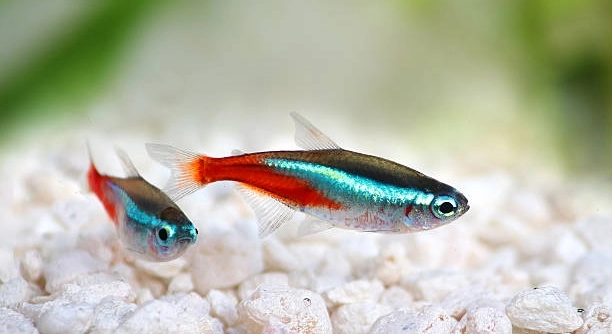
Tetras are popular freshwater fish known for their vibrant colors and peaceful nature. Many aquarists want to create the best environment for these small fish to thrive in their tanks. Understanding their preferences helps ensure they stay healthy and active.
Tetras generally prefer a gentle current in their tank rather than strong or turbulent water. A mild flow mimics their natural habitat, providing them with oxygen-rich water without causing stress or excessive energy use. This balance supports their well-being and natural behavior.
Knowing how much current is ideal can improve your tank setup and keep your tetras comfortable. The following details explain how to achieve the right water flow for these delicate fish.
Understanding Tetra Habitat Preferences
Tetras come from slow-moving rivers and streams in South America where water flows gently. Their natural habitat has calm currents that help them conserve energy and stay safe from strong forces. In a tank, replicating this environment means providing a mild water flow that circulates oxygen without creating turbulence. Strong currents can tire out tetras, making them less active and more stressed. Using a filter with adjustable flow or adding plants can help reduce water movement. Plants also offer hiding places, making tetras feel secure. It’s important to observe how your tetras behave after adjusting the flow. If they struggle to swim or gather at the tank’s edges, the current might be too strong. Mild currents encourage natural swimming patterns and social behavior, keeping the fish healthy. Matching tank conditions to their natural environment promotes longevity and vibrant coloration.
Proper water flow is essential for the health and comfort of tetras in captivity.
Adjusting your tank’s flow ensures your tetras stay relaxed and behave naturally, supporting their overall well-being and enjoyment in the aquarium.
Signs Tetras Prefer Gentle Currents
Tetras tend to avoid areas with fast water flow, often swimming in calmer spots. You may notice them clustering behind decorations or plants where currents are weaker. If they show signs of fatigue or spend much time resting, strong currents could be the cause. Observing their behavior helps determine if the current suits them. Gradually changing the flow lets you find the best setting without shocking the fish. Providing a gentle current allows tetras to swim freely and comfortably, which supports their health and natural instincts. Tank equipment such as filters and pumps should be chosen and adjusted to create the right flow. Mimicking their natural environment with gentle water movement helps tetras thrive in a home aquarium.
Creating the Right Water Flow
Adjusting your filter’s flow rate is the easiest way to control water current. Most filters allow you to slow down the output, which can reduce strong currents. Positioning the filter outlet near a tank corner or behind decorations also softens the flow.
Using plants or driftwood creates natural barriers that break water movement. Live plants help oxygenate the water and offer shelter. Driftwood and rocks slow currents by redirecting flow, making the tank environment more comfortable for tetras. Combining these elements with a gentle filter flow creates a calm setting that encourages natural behavior.
Make sure to regularly check your filter and clean it to keep water flowing properly. A clogged filter can cause uneven currents or poor water quality. Balancing flow and water quality helps maintain a healthy tank and happy fish.
Other Factors Affecting Tetra Comfort
Water temperature, lighting, and tank size all influence how tetras react to currents. Cooler water holds more oxygen but slows fish metabolism, so balance is key. Lighting should be moderate to mimic shaded areas in their natural habitat, reducing stress.
A spacious tank allows tetras to swim freely without feeling crowded by water flow. Overcrowded tanks increase stress and reduce the space to avoid stronger currents. Keeping the tank clean and well-maintained supports fish health, making them less sensitive to changes in water movement. Adjusting these factors alongside water flow gives tetras the best chance to thrive in your aquarium.
Best Equipment for Gentle Currents
Choosing the right filter is key to creating a gentle current for tetras. Sponge filters and adjustable power filters work well. They provide good water circulation without strong flow, keeping the tank environment calm and stable for your fish.
Using a spray bar attachment can further soften water output. This spreads water flow evenly across the tank, reducing direct currents that might tire out tetras.
Monitoring Fish Behavior
Watch your tetras closely after adjusting the current. If they swim easily and explore the tank, the flow is likely appropriate. If they cluster or struggle, reduce the current further. Observing behavior ensures their comfort.
Adjusting Flow with Plants
Plants can help slow water currents naturally. Positioning tall or bushy plants near the filter outlet creates calm zones where tetras can rest and hide comfortably. This simple addition improves the tank’s environment.
FAQ
Do tetras need a current to stay healthy?
Tetras do benefit from some water movement because it helps circulate oxygen and remove waste. However, the current should be gentle. Strong currents can stress tetras and tire them out since they naturally live in slow-moving waters. A mild flow supports their health without causing discomfort.
How can I tell if the current is too strong for my tetras?
If your tetras struggle to swim against the flow or stay constantly pushed to one side, the current is too strong. You might also see them hiding more or resting at the bottom of the tank. These signs show the need to reduce the water movement for their comfort.
Can tetras live in tanks without any current?
While some water movement is beneficial, tetras can survive in tanks with very minimal currents. Without any flow, oxygen levels might drop and waste could build up. It’s important to balance water circulation with gentle currents to keep their environment healthy.
What type of filter is best for tetras?
Sponge filters and adjustable power filters are ideal for tetra tanks. They provide sufficient water circulation with a gentle flow. These filters can be adjusted or paired with spray bars to soften the current, mimicking the natural habitat of tetras more closely.
Is it okay to add plants to reduce water flow?
Yes, adding live or artificial plants helps slow down water currents by creating natural barriers. Plants also offer hiding places and reduce stress for tetras. Positioning plants near the filter outlet can break up strong water movement and make the tank more comfortable.
How often should I check my filter settings?
Regularly monitoring your filter is important to maintain the right water flow. Check settings at least once a week, especially after cleaning or adjusting the filter. Filters can clog or change flow rates over time, so keeping an eye on it helps avoid sudden changes in current.
Will strong currents affect tetra behavior?
Yes, strong currents can make tetras less active and stressed. They may hide more, swim awkwardly, or avoid certain tank areas. Over time, this stress can impact their health and coloration. Maintaining a gentle current encourages natural swimming and social behaviors.
What else can affect water flow in my tank?
Tank size, decorations, and equipment placement all influence water movement. Larger tanks with many plants and decorations often have slower currents in some areas. Positioning filters and pumps carefully can create a balanced flow that suits tetras’ needs.
Can I use a bubbler to improve water circulation?
A bubbler can help increase oxygen in the water without creating strong currents. However, if used improperly, the bubbles and water movement might be too strong for tetras. It’s best to use a bubbler in combination with gentle filtration to maintain calm water conditions.
How do tetras react to sudden changes in water flow?
Sudden increases in current can stress tetras, causing them to hide or show erratic swimming. Gradual changes are better, allowing fish time to adapt. Always adjust flow slowly and observe how your tetras respond before making further changes.
Tetras are small, peaceful fish that thrive best in environments similar to their natural habitats. One important factor for their health is the water current in the tank. Unlike some fish that enjoy strong currents, tetras prefer gentle water movement. This gentle flow helps keep the water clean and oxygenated without causing stress or exhaustion. Providing the right current helps tetras swim naturally and maintain their bright colors and active behavior. It also supports their overall well-being, making them less prone to illness and more comfortable in their tank.
Creating a suitable current for tetras is usually straightforward. Using adjustable filters and adding plants or decorations can reduce strong water flow and create calm spots in the aquarium. It is important to observe how the fish react after any changes. If tetras are swimming freely and seem relaxed, the current is likely suitable. If they struggle or hide frequently, the flow may need to be adjusted. Keeping water movement mild but steady mimics their slow-moving river habitats, helping tetras stay healthy and happy. Regular maintenance, such as cleaning the filter and monitoring water quality, also plays a role in maintaining proper water flow and a healthy tank environment.
Overall, understanding tetras’ preference for gentle currents is a key step in providing the best care for these fish. Paying attention to their behavior and tank conditions ensures they live comfortably and display their natural charm. Simple changes in equipment and tank setup can make a big difference in their quality of life. With the right balance of water flow, temperature, and environment, tetras can thrive in home aquariums for many years. This knowledge helps any fishkeeper create a peaceful and healthy space that supports the needs of these colorful and lively fish.

Hello,
If you enjoy the content that we create, please consider saying a "Thank You!" by leaving a tip.
Every little bit helps us continue crafting quality advice that supports the health, happiness, and well-being of pets around the world, for pets of all shapes, sizes, and species.
We really appreciate the kindness and support that you show us!