
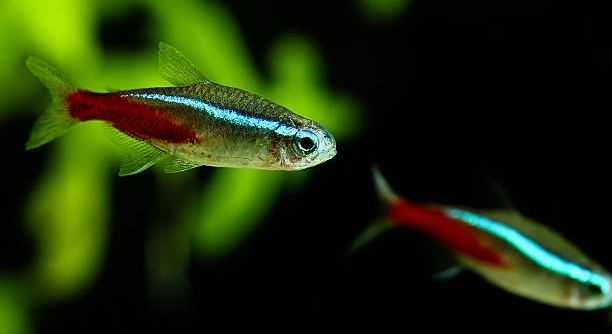
Have you ever brought home healthy tetras only to find a few floating lifeless after a routine water change? It’s frustrating and confusing, especially when you think you’re doing everything right for their care.
Tetras often die after a water change due to sudden shifts in temperature, pH, or chlorine levels, which can shock their delicate systems and cause severe stress or even death.
Understanding the common mistakes behind these deaths can help you prevent them and keep your aquarium safe and stable for your tetras.
Sudden Changes in Water Temperature
Tetras are sensitive to changes in their environment, and one of the biggest triggers for stress is a sudden shift in water temperature. When water is added during a change and it’s too warm or too cold, it can create a shock that their small bodies struggle to handle. Even a few degrees difference can cause discomfort, lower immunity, or lead to sudden death. This is especially common in smaller tanks, where temperature changes happen more quickly. Always match the new water to the tank’s temperature using a reliable thermometer. Avoid using just your hand to check—it’s not accurate enough. If possible, let the water sit in the same room as the tank for a few hours before use. Gradual and consistent temperatures are important for their long-term health.
Temperature shock can cause erratic swimming, gasping, or sudden stillness. These signs often appear quickly after the change is made.
Keeping a stable temperature during water changes is essential. Use a thermometer to confirm the new water is within 1°F of the tank. Avoid pouring cold water directly into the tank. Instead, add it slowly and make sure the temperature stays steady. This small step can prevent stress and protect your tetras from sudden death.
Chlorine and Other Chemicals in Tap Water
Even small amounts of chlorine in tap water can harm or kill tetras. Many tap water sources contain chemicals like chlorine and chloramine, which are added to make the water safe for humans. These same chemicals can damage fish gills and internal systems.
Using a water conditioner before adding tap water is one of the easiest ways to protect your fish. These conditioners are available at pet stores and are simple to use—just add the correct amount to the new water before putting it in the tank. Make it a habit to treat all new water, even if it’s just a small amount. If your tap water contains chloramine, make sure the conditioner is designed to neutralize it. Also, allow the water to sit for a few minutes after adding the conditioner to let it work properly. This reduces the risk of chemical exposure and gives your tetras a better chance at staying healthy. You can also look into using a water filter at the source, but conditioners are a reliable and affordable solution for most people.
Poor Acclimation Process
If tetras aren’t given enough time to adjust during a water change, they can go into shock. Pouring new water too quickly or replacing too much at once puts them under stress their bodies can’t handle.
When doing a water change, it’s important to replace the water gradually, especially if it’s more than 25%. If too much is changed at once or the new water is poured in too fast, the fish don’t have time to adapt. Their gills and internal systems struggle to respond to the new conditions. This can cause them to gasp for air, swim erratically, or suddenly become still. Always pour new water in slowly, ideally over several minutes, using a small cup or siphon tube. This helps maintain stability and gives the fish a chance to adjust. Slower changes create a smoother transition that’s easier on their sensitive systems.
Another mistake is skipping the acclimation process altogether. If the new water differs in temperature, pH, or hardness, your tetras need a bit of time to adjust before being exposed fully. You can use the drip method or slowly mix tank water with the new water before adding it in. This step can make a big difference in preventing shock, illness, or death. Even small differences in water conditions matter.
Significant pH Fluctuations
Tetras need stable pH levels, and even a small change can cause problems. A quick shift in pH during a water change can cause stress, breathing issues, and even death in more fragile fish.
When adding new water to your tank, it’s not just temperature and chemicals you need to think about—pH levels can also change. If your tap water’s pH is different from the tank, even slightly, your fish can struggle to adjust. Tetras are especially vulnerable to this. Test both the new and existing water using a test kit before starting a water change. If the pH difference is more than 0.3, adjust the water before adding it to the tank. You can use pH stabilizers or mix your tap water with distilled or RO water to bring it closer to the tank’s level. Never add untreated water with a high pH difference straight into the aquarium.
Disruption of Beneficial Bacteria
Good bacteria in your tank help break down waste and keep the water safe. Changing too much water or scrubbing the tank too aggressively can remove this helpful bacteria and cause sudden water quality issues.
When this balance is lost, harmful toxins like ammonia can quickly rise. This can make tetras sick or even kill them.
Using Unclean or Improper Tools
Unwashed tools or buckets used for cleaning can introduce harmful substances. Leftover soap, chemicals, or bacteria from other uses may contaminate the tank.
Always use aquarium-safe tools that are only used for tank maintenance. Rinse well with hot water and store them in a clean space.
Overstocking the Tank
Too many fish in a tank can make water changes more stressful. Waste builds up faster, and water conditions shift more quickly. A smaller number of fish gives you more control and helps maintain balance.
FAQ
How much water should I change at once for my tetras?
Change 20–25% of the water at a time. This amount is enough to freshen the tank without disrupting the environment too much. Large water changes, especially over 50%, can cause sudden shifts in temperature, pH, and other parameters. These changes are hard for tetras to handle. If your tank has been neglected, it’s still better to do multiple smaller water changes over a few days rather than one large one. Gradual changes help keep your fish safe and reduce the risk of stress or illness.
Do I need to treat tap water every time I do a water change?
Yes, always treat tap water before adding it to your tank. Tap water usually contains chlorine or chloramine, which are harmful to fish. These chemicals can damage tetras’ gills and internal systems, sometimes within minutes. A water conditioner neutralizes these substances, making the water safe. Even if your local water smells fine, it may still contain traces of harmful compounds. Make it a habit to treat all water before it enters the tank—this includes top-offs for evaporation as well. Skipping this step can be deadly for your fish.
Why do my tetras act strange after a water change?
Tetras might swim erratically, hide, or stay still after a water change if the new water is too different from what they’re used to. Temperature, pH, and chemical levels can shift quickly, especially if a lot of water was changed at once. Even if you don’t see a big difference, your fish may feel it. Sudden behavior changes are signs of stress or shock. If this happens, check the water parameters immediately. Try to make future changes more slowly and match the new water as closely as possible to the tank conditions.
Can changing the filter at the same time cause problems?
Yes, changing the filter or filter media during a water change can disrupt the beneficial bacteria in your tank. These bacteria live in your filter and help break down fish waste. Removing them all at once can cause a sudden spike in ammonia or nitrites, which are toxic. If your filter media needs cleaning, rinse it gently in a small bowl of tank water—not tap water. If it must be replaced, never do it during or right after a water change. Stagger major maintenance tasks to keep your tank balanced.
What temperature should I aim for during a water change?
Match the temperature of the new water to the tank as closely as possible—within 1°F is best. For most tetras, that means keeping the water between 74°F and 78°F. Use an aquarium thermometer to check both the tank and the new water. Don’t rely on your hand, as it’s not accurate enough. Pouring water that’s too cold or too hot can lead to shock or even death. If the new water feels cooler, let it sit in the room until it reaches the right temperature, or use a heater to warm it slightly.
How often should I do water changes for my tetras?
A weekly water change of 20–25% is usually ideal for a well-stocked tetra tank. Regular changes keep harmful substances like ammonia and nitrates from building up. If your tank is heavily stocked, you may need to change the water twice a week or monitor parameters more closely. Skipping water changes can cause slow stress buildup that weakens your fish over time. On the other hand, too frequent or large changes can also cause stress if done incorrectly. Keeping a consistent schedule with moderate amounts helps your tank stay stable.
Final Thoughts
Keeping tetras healthy during water changes comes down to consistency and care. These small fish are sensitive to changes in their environment, and even small mistakes can cause big problems. Things like sudden temperature drops, pH swings, or untreated tap water can easily stress them out. When this stress becomes too much, it can lead to illness or even death. Many people don’t realize how fragile tetras can be until they lose a few after a routine tank cleaning. But once you understand what causes the problem, it becomes much easier to avoid it.
The most important part is to take your time. Don’t rush the process, even if you’re in a hurry. Always match the temperature of the new water as closely as you can to the tank’s current temperature. Treat tap water with a good conditioner every single time. Pour slowly and avoid removing too much water at once. If you do need to do a larger water change, break it into smaller ones over a few days. Keep your tools clean and only use them for your aquarium. Check your pH and ammonia levels regularly, especially before and after a water change. These simple habits make a big difference in preventing sudden fish deaths.
Tetras can live for years when kept in the right conditions. Water changes are important to their health, but they need to be done carefully. Once you get into a good routine and understand what to watch for, it becomes second nature. There’s no need to overthink it or stress about every small detail—but knowing the basics and being consistent is key. Keeping your tank stable is what really matters. With a little attention and patience, your tetras can stay active, colorful, and thriving for a long time.

Hello,
If you enjoy the content that we create, please consider saying a "Thank You!" by leaving a tip.
Every little bit helps us continue crafting quality advice that supports the health, happiness, and well-being of pets around the world, for pets of all shapes, sizes, and species.
We really appreciate the kindness and support that you show us!