
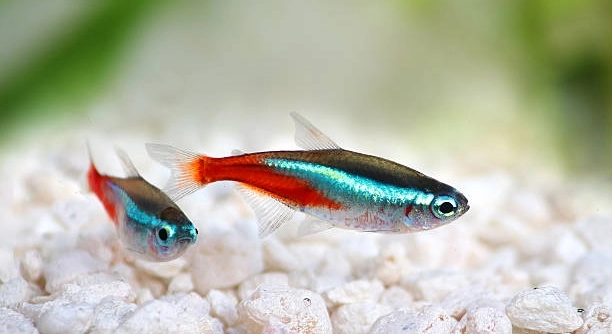
New tetras are popular aquarium fish known for their vibrant colors and peaceful nature. Introducing them safely into your tank is important to keep both your new fish and existing ones healthy. Quarantining helps prevent the spread of diseases and stress.
Quarantining a new tetra involves isolating it in a separate tank for about two weeks. This process allows for monitoring health, treating potential illnesses, and minimizing risks to the main aquarium. Proper water conditions and regular observation are essential during this period.
Understanding how to quarantine new tetras properly ensures a smoother transition for your fish and protects your aquatic environment. This guide will explain simple, effective steps to help you care for your new additions.
Preparing the Quarantine Tank
Setting up a quarantine tank before bringing your new tetra home is essential. Choose a small tank with at least 10 gallons of water to give your fish enough space without overwhelming them. Use a filter and heater to maintain stable water conditions similar to your main aquarium. Avoid adding decorations or gravel initially, as these can trap harmful bacteria or parasites. Keep the water clean by performing regular partial water changes, about 25% every few days. Use a water conditioner to remove chlorine and chloramines from tap water, ensuring it is safe for your fish. Monitoring temperature, pH, and ammonia levels is important to prevent stress. Light should be moderate, mimicking natural daylight. Avoid feeding your tetra too much; small, frequent feedings are better. This setup allows you to watch for any signs of illness and makes it easier to treat your fish if necessary. A calm, clean environment will support your tetra’s health during quarantine.
Monitoring water parameters regularly helps keep your quarantine tank stable and safe for your new tetra.
Keeping water parameters steady is crucial. Tetras thrive in temperatures between 74°F and 80°F with a pH around 6.5 to 7.5. Frequent testing for ammonia, nitrites, and nitrates can detect problems early. Ammonia and nitrite levels must stay at zero to avoid toxicity, while nitrate should be kept low with water changes. Consistent conditions reduce stress and support your fish’s immune system. Use test kits and keep a log to track changes. If any water quality issues arise, act quickly by performing additional water changes or adjusting the filter. This careful approach prevents disease outbreaks and ensures your tetra stays healthy during quarantine.
Observing and Caring for Your New Tetra
During quarantine, it is important to watch your tetra closely for any signs of illness or stress. Look for changes in color, clamped fins, rapid breathing, or unusual behavior such as hiding or lethargy. Early detection allows for quicker treatment and better outcomes. If you notice any signs of disease, isolate the affected fish immediately and consult treatment options suitable for tetra species. Feed your fish small amounts of high-quality food twice daily to maintain strength without polluting the water. Avoid overcrowding the quarantine tank, as it can increase stress and illness risk. Patience during this period helps protect your entire aquarium. After at least two weeks without problems, your tetra can be safely introduced to the main tank.
Quarantine protects your fish and ensures your aquarium remains a healthy environment.
Caring well during quarantine sets the foundation for your tetra’s long-term health. A calm environment and clean water reduce the chances of stress-related diseases. Regular observation helps catch any issues early, minimizing risks. Quarantine also allows you to treat your fish if needed, preventing disease spread to other tank inhabitants. This simple step can save time, money, and the heartbreak of losing fish later. Introducing new tetras to your aquarium after quarantine ensures a smoother transition and a more peaceful community tank. Following these practices supports a thriving and vibrant aquatic setup.
Feeding and Nutrition During Quarantine
Feeding new tetras in quarantine requires care to avoid overfeeding. Offer small amounts twice a day to keep the fish healthy without polluting the water. Use high-quality, easily digestible food appropriate for tetras.
A balanced diet supports the immune system, helping your tetra fight off any hidden infections. Avoid sudden changes in diet during quarantine, as this can stress the fish. Freeze-dried, flake, or micro-pellet foods designed for small tropical fish work well. Feeding too much can cause waste buildup, leading to poor water quality and increased risk of illness. Watch your fish eat and remove any uneaten food after a few minutes to maintain cleanliness.
Supplementing the diet with occasional live or frozen foods like brine shrimp or daphnia can improve health and vitality. These provide essential proteins and nutrients to boost your tetra’s condition while in quarantine. Ensure the food is clean and free from contaminants to avoid introducing parasites. Feeding responsibly is a key part of a successful quarantine process.
When to Introduce Your New Tetra to the Main Tank
After at least two weeks of quarantine without signs of illness, your new tetra is ready for the main aquarium. This timeframe helps ensure the fish is healthy and will not introduce diseases. Introduce the fish slowly by floating the quarantine bag in the main tank to adjust to the temperature. Gradually mix small amounts of tank water into the bag over 20 to 30 minutes to help your tetra acclimate to the new water conditions.
Once acclimated, gently release the fish into the main tank without adding quarantine water. This reduces the chance of contaminating the tank. Monitor the new fish closely for the first few days for any signs of stress or illness. Avoid overcrowding the tank by maintaining proper stocking levels. Proper introduction helps your tetra settle quickly and maintain good health in the community environment.
Signs of Stress to Watch For
New tetras may show signs of stress during quarantine or after introduction to the main tank. Common signs include faded colors, rapid breathing, and hiding. Stress can weaken their immune system.
Pay attention to unusual swimming patterns or clamped fins. Early detection of stress allows for timely adjustments to care and environment to support your fish’s well-being.
Common Diseases in New Tetras
New tetras are vulnerable to diseases such as ich, fin rot, and velvet. These illnesses often appear as white spots, ragged fins, or a dusty coating on the skin. Prompt identification is important for effective treatment.
Maintaining good water quality and quarantining new fish reduces the risk of disease. If symptoms appear, early treatment with appropriate medication increases recovery chances and prevents spreading to other fish.
Tips for a Smooth Transition
Minimize sudden changes in water conditions during introduction. Gradually acclimate your tetra to the main tank’s temperature and water chemistry to reduce shock and stress.
Keeping the environment stable and quiet during this period helps your new fish settle quickly and adjust to its new home comfortably.
Maintaining Quarantine Tank Cleanliness
Regular water changes and tank cleaning prevent harmful buildup. Remove uneaten food and waste promptly to keep water quality high during quarantine.
FAQ
How long should I quarantine a new tetra?
Quarantine should last at least two weeks. This period allows you to observe your new tetra for any signs of illness or stress. It also gives time to treat any health issues before introducing the fish to your main aquarium. Two weeks is a good balance between careful monitoring and practical timing.
Can I use the same water from the quarantine tank in the main tank?
It is best not to add quarantine tank water to the main tank. The quarantine water may contain bacteria or parasites harmful to your established fish. When moving your tetra, gently release it into the main tank without adding water from quarantine. This helps protect your existing aquatic environment.
What temperature is best for quarantining tetras?
Keep the quarantine tank temperature between 74°F and 80°F. Tetras prefer stable, warm water. Sudden temperature changes can stress fish and weaken their immune system. Use a reliable heater and thermometer to maintain consistent temperature throughout the quarantine period.
How often should I feed my new tetra during quarantine?
Feed your tetra small amounts twice daily. Overfeeding can lead to water pollution and health problems. Remove any uneaten food within a few minutes to keep the tank clean. Feeding a balanced diet supports recovery and helps your fish build strength.
What should I do if my tetra shows signs of illness during quarantine?
If you notice symptoms like white spots, ragged fins, or lethargy, isolate the affected fish if possible. Research appropriate treatments based on symptoms or consult a specialist. Early treatment is critical to preventing disease spread and improving recovery chances.
Is it necessary to add decorations in the quarantine tank?
Keep the quarantine tank simple with minimal or no decorations. Decorations can trap harmful bacteria or parasites, making treatment harder. A bare tank allows easier cleaning and observation of your tetra’s behavior and health.
Can I quarantine multiple tetras together?
Quarantining multiple tetras in the same tank is possible if space allows. However, avoid overcrowding to reduce stress and disease risk. Make sure the quarantine tank is large enough and has proper filtration to maintain good water quality.
How do I acclimate my tetra to the main tank after quarantine?
Float the quarantine bag in the main tank for 20 to 30 minutes to match the temperature. Slowly add small amounts of main tank water into the bag over time. After acclimation, gently release the fish into the tank without adding quarantine water.
What are the risks of skipping quarantine?
Skipping quarantine increases the chance of introducing diseases to your main aquarium. New fish can carry parasites or infections that may quickly spread and harm other fish. Quarantine protects the health of your entire tank community.
How do I maintain water quality in the quarantine tank?
Test water regularly for ammonia, nitrites, nitrates, and pH. Perform partial water changes (around 25%) every few days to keep the environment clean. Use a water conditioner to remove chlorine or chloramines from tap water. Keeping water quality high reduces stress and illness.
Can stress cause illness in tetras during quarantine?
Yes, stress weakens the immune system and can lead to illness. Maintaining stable water conditions, avoiding overcrowding, and providing proper nutrition helps reduce stress. Watching your tetra’s behavior can help you spot stress early.
What food is best for quarantined tetras?
High-quality flakes, micro-pellets, or freeze-dried foods designed for small tropical fish work well. Supplementing with occasional live or frozen foods like brine shrimp provides extra nutrients. Avoid sudden diet changes during quarantine to prevent stress.
How do I know when quarantine is complete?
Quarantine is complete after two weeks if no signs of illness or stress appear. Your tetra should be active, eating well, and showing normal behavior. At this point, it is safe to introduce the fish to the main aquarium.
What equipment do I need for a quarantine tank?
A small tank (at least 10 gallons), heater, filter, thermometer, and water testing kits are essential. A simple setup makes it easier to monitor and maintain stable water conditions. Avoid adding gravel or decorations at first.
Can quarantining help with aggressive behavior?
Quarantine mainly helps with disease prevention, not behavior. However, it gives your new tetra time to adjust before facing competition or aggression in the main tank. Some behavior issues improve with proper introduction and acclimation.
Is medication always necessary during quarantine?
Medication is not always needed if the fish shows no signs of illness. Quarantine is primarily for observation and prevention. If disease symptoms appear, targeted treatment becomes necessary to protect your fish and the tank community.
Final Thoughts
Quarantining new tetras is an important step that helps protect both your new fish and your existing aquarium community. Taking the time to set up a proper quarantine tank, maintaining clean water, and observing your fish closely can prevent many common health problems. This simple practice reduces the risk of introducing diseases and allows you to treat any issues early. While it may require some extra effort and patience, the benefits of quarantine far outweigh the drawbacks, helping you maintain a healthy and balanced aquatic environment.
During quarantine, it is important to keep conditions stable and stress levels low. Monitoring water quality, feeding the fish properly, and avoiding overcrowding support the health of your new tetras. Paying attention to signs of illness or stress will help you take quick action if needed. Small details, like gradually acclimating your fish before adding them to the main tank, also contribute to a smoother transition and better long-term well-being. Each of these steps plays a role in ensuring your tetras thrive and enjoy their new home.
Overall, quarantine is a simple but effective way to care for new tetras. It offers a chance to observe, protect, and support your fish in a controlled environment before joining your main aquarium. Following these steps can save you from future problems and make your aquarium a safer, healthier place. Keeping your tetras healthy improves their colors, behavior, and lifespan, which benefits the entire tank. Taking these precautions shows thoughtful care and respect for your aquatic pets.

Hello,
If you enjoy the content that we create, please consider saying a "Thank You!" by leaving a tip.
Every little bit helps us continue crafting quality advice that supports the health, happiness, and well-being of pets around the world, for pets of all shapes, sizes, and species.
We really appreciate the kindness and support that you show us!