
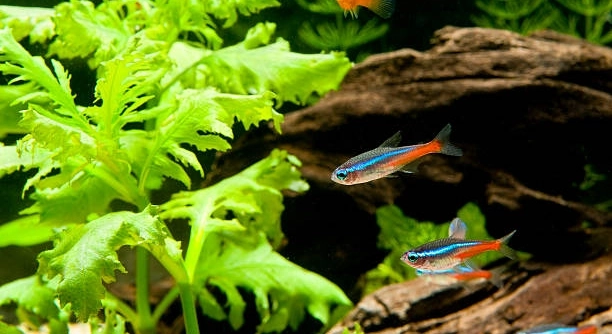
Tetra fish are popular in home aquariums, but they sometimes separate from the school. This behavior can worry fish owners who expect their fish to swim together in groups. Understanding why this happens is important for a healthy tank.
The main reasons tetra fish separate from their school include stress, illness, water quality issues, overcrowding, aggression, inadequate diet, and improper tank conditions. Identifying and addressing these causes helps restore normal schooling behavior and fish well-being.
Knowing these reasons will help you fix the problem and keep your tetra fish happy and safe in their environment. The following details explain each cause and offer solutions for better care.
Stress Causes Tetras to Separate
Tetra fish are sensitive to changes in their environment, and stress is a major reason they may separate from their school. Common sources of stress include sudden changes in water temperature, loud noises near the tank, or improper handling during tank cleaning. When stressed, tetras often isolate themselves to feel safer. Stress weakens their immune system, making them more vulnerable to illness. Observing your fish closely during any tank changes can help catch stress early. Providing hiding places like plants or decorations can reduce stress by offering safe spots. Keeping a stable environment with consistent water parameters and low disturbance is key to helping your tetras feel comfortable. Reducing stress improves their behavior and overall health, encouraging them to swim together again as a proper school should.
Stress affects tetra behavior by triggering avoidance and isolation, disrupting their natural schooling pattern. Maintaining calm and stable conditions prevents stress-related separation.
Recognizing and minimizing stress factors creates a healthier, more peaceful environment for your tetras, encouraging them to school together naturally and confidently.
Illness and Its Impact on Schooling
Illness often causes tetra fish to separate from their group. Sick fish may swim alone or hide, showing signs like faded colors, clamped fins, or lethargy. Common diseases include ich, fin rot, and internal parasites. Early detection is crucial because untreated illness can spread quickly and worsen. Quarantining affected fish helps protect the rest of the school. Proper water conditions, a balanced diet, and regular tank cleaning reduce the chance of disease. If illness is suspected, treating with appropriate medication according to the diagnosis is essential. Monitoring fish health daily allows for timely intervention and better recovery outcomes. Healthy fish are more likely to stick with their school and show normal, active behavior.
Illness weakens fish and interrupts their schooling behavior. Proper care, cleanliness, and prompt treatment prevent prolonged separation.
By maintaining good hygiene and watching for health changes, you ensure your tetras stay healthy and enjoy schooling as they naturally do.
Water Quality Issues
Poor water quality quickly affects tetra behavior. Ammonia, nitrite, and nitrate levels that are too high cause discomfort and separation. Regular water tests are essential.
Maintaining clean water is crucial for tetra health and schooling. Fish produce waste, which breaks down into harmful substances if not properly filtered. Frequent water changes, using a reliable filtration system, and monitoring chemical levels prevent toxic buildup. Unstable pH or temperature fluctuations also stress fish, pushing them to isolate. Keeping these factors steady encourages tetras to swim together comfortably.
Neglecting water quality weakens fish and disrupts natural schooling behavior. Consistent maintenance helps maintain a balanced, safe environment for your tetras.
Overcrowding in the Tank
Too many fish in a tank create competition and stress, causing tetras to separate. Crowded conditions limit swimming space and increase aggression. Proper stocking levels are important.
Overcrowding leads to poor water quality, as more fish produce more waste. This accelerates toxic buildup and makes filtration less effective. Fish may also fight over territory or food, pushing some to isolate or hide. Providing enough space reduces stress and promotes natural schooling behavior. A general rule is one inch of fish per gallon of water, but this varies by species and tank setup. Adjust stocking as needed to avoid crowding problems.
Keeping tank populations balanced ensures tetras have enough room to swim together, reducing stress and encouraging healthy social behavior.
Aggression Among Tank Mates
Aggression from other fish can scare tetras away from their school. Some species are naturally territorial and may chase or nip at tetras.
Aggressive behavior causes stress and injury, forcing tetras to separate for safety. Choosing peaceful tank mates helps maintain harmony and schooling.
Inadequate Diet
Tetras need a balanced diet with proper nutrients to stay healthy. Poor nutrition weakens their immune system and energy levels.
Feeding a mix of flakes, pellets, and occasional live or frozen foods ensures they get enough vitamins and minerals. Healthy tetras are more likely to swim actively and stay together.
Improper Tank Conditions
Inadequate lighting, lack of hiding spots, or unsuitable tank size can cause tetras to isolate. Creating a comfortable habitat encourages schooling.
Tank Size Too Small
Small tanks limit swimming space and disrupt schooling. Providing a larger tank allows tetras to move freely and stay grouped.
FAQ
Why do my tetras keep separating even though the water looks fine?
Water quality involves more than just clear water. Harmful chemicals like ammonia and nitrites can be present even when the water looks clean. Testing the water regularly for these substances is important. Also, sudden changes in temperature or pH can stress your fish, causing separation. Make sure filtration is working properly and maintain stable water parameters to help your tetras school properly.
How many tetras should I keep together?
Tetras are schooling fish and do best in groups of at least six. Smaller groups may cause fish to feel unsafe and separate. Larger groups encourage natural schooling behavior. However, avoid overcrowding by considering tank size — a good rule is one inch of fish per gallon, but adjust based on your tank and species.
Can aggressive tank mates cause my tetras to separate?
Yes, aggressive or territorial fish often stress tetras. If your tetras are being chased or nipped, they will isolate themselves for safety. Choose peaceful tank mates that coexist well with tetras. Species like guppies or corydoras are usually good companions.
How often should I change the water?
Regular water changes are essential for healthy tetras. Changing about 20-25% of the water every week keeps harmful waste levels low. This helps maintain good water quality and reduces stress that can cause your tetras to separate.
What should I feed my tetras to keep them healthy?
A balanced diet including high-quality flakes or pellets, supplemented with live or frozen foods like brine shrimp or bloodworms, ensures proper nutrition. Variety is key to providing all necessary vitamins and minerals. Healthy tetras are more active and likely to school well.
Could my tank size be too small for schooling?
Yes, a tank that is too small limits swimming space and makes schooling difficult. Tetras need room to swim side by side, so a longer tank is preferable. A tank of at least 20 gallons is recommended for a small group to provide enough space.
How do I know if my tetra is sick?
Signs of illness include faded color, clamped fins, sluggishness, and lack of appetite. Sick fish often separate from the group and may hide. Early detection and treatment improve chances of recovery. Quarantine sick fish and follow medication instructions carefully.
Are stress and water temperature connected?
Absolutely. Sudden changes or extremes in water temperature stress tetras and cause separation. Keep the temperature stable, usually between 72-78°F (22-26°C), depending on the species. Using a reliable heater and thermometer helps maintain steady conditions.
Do hiding spots affect schooling?
Yes, providing plants and decorations gives tetras places to feel safe, which reduces stress. While they like to school, they also need spots to retreat. A well-decorated tank supports natural behavior and improves overall health.
What should I do if my tetras continue to separate despite changes?
If separation persists, review water quality, tank size, tank mates, diet, and stress factors again. Sometimes a combination of issues causes the problem. Consulting a specialist or experienced aquarist can provide tailored advice to restore normal schooling behavior.
Final Thoughts
Tetras are social fish that thrive when they school together. When they start to separate, it usually means something in their environment is not right. Common causes include stress, illness, poor water quality, overcrowding, aggression, inadequate diet, or improper tank conditions. Paying attention to these factors helps keep your tetras healthy and happy. Maintaining a stable, clean, and comfortable tank environment is key to encouraging them to swim as a group again.
Regular monitoring of water quality and tank conditions prevents many problems before they start. Changing water frequently, testing for harmful chemicals, and keeping a balanced population all play a part. Feeding your tetras a nutritious and varied diet supports their immune system and energy levels, allowing them to behave naturally. Providing enough space and peaceful tank mates also reduces stress and promotes schooling. When issues arise, addressing them quickly makes recovery easier for your fish.
Taking care of tetras requires patience and attention, but the effort is worthwhile. Watching them swim together in a healthy school is rewarding and shows they feel safe in their home. Understanding the reasons behind separation and applying the right fixes can improve your tank’s atmosphere and your fish’s well-being. Keeping a calm, steady environment with good care will help your tetras thrive and enjoy life in their aquarium.

Hello,
If you enjoy the content that we create, please consider saying a "Thank You!" by leaving a tip.
Every little bit helps us continue crafting quality advice that supports the health, happiness, and well-being of pets around the world, for pets of all shapes, sizes, and species.
We really appreciate the kindness and support that you show us!