
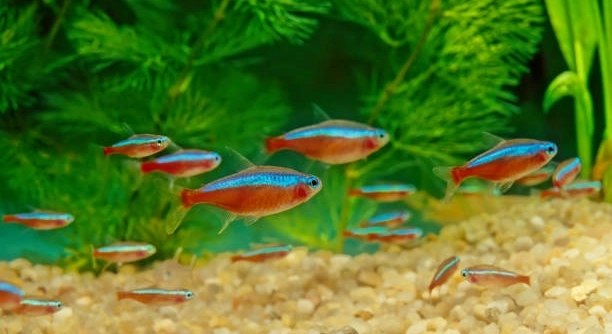
Are your tetras suddenly swimming apart instead of together like they used to? It can be concerning to see your peaceful fish group break their usual harmony in the tank. Changes in their behavior often signal something important in their environment.
Tetras may stop swimming together due to stress, illness, changes in water conditions, or social dynamics. Poor water quality, temperature fluctuations, or the introduction of new fish can disrupt their natural schooling behavior and cause separation.
Understanding these causes will help you restore balance in your aquarium and bring your tetras back to their friendly, synchronized swimming patterns.
Common Reasons for Tetras Not Swimming Together
Tetras usually swim together as a natural behavior called schooling, which helps protect them and makes them feel secure. When they stop schooling, something in their environment or health is likely affecting them. One major reason is poor water quality. If the water has high levels of ammonia, nitrites, or nitrates, it can stress the fish, causing them to separate. Temperature changes also impact their behavior, as tetras prefer stable, warm water. Another factor is illness or injury. Sick fish often isolate themselves from the group. Finally, social changes such as introducing new fish or overcrowding can disrupt the school. Sometimes, aggressive or dominant fish push others away, breaking the group. Keeping a balanced tank environment is essential for maintaining their natural behavior. Regular water testing and observing your fish carefully can prevent these issues.
Water quality and tank conditions play a vital role in maintaining schooling behavior in tetras.
Adjusting the tank to keep water clean, stable, and at the right temperature is key. Also, avoid overcrowding and watch for signs of illness. Creating a calm and consistent environment will encourage your tetras to swim together again.
How to Improve Your Tetras’ Schooling Behavior
Improving schooling starts with checking water parameters like pH, temperature, and chemical levels. Keep the tank clean with regular water changes and use a good filtration system. Avoid sudden changes in temperature or adding fish too quickly. If new fish are added, introduce them slowly and watch for aggression. Providing plenty of plants and hiding spots reduces stress and helps fish feel safe. Feeding a balanced diet supports their health, so they remain active and social. If you notice any signs of disease, such as lethargy or spots, treat the fish promptly. Sometimes, rearranging decorations or increasing tank space can encourage better group swimming. Patience is important because it may take time for your tetras to adjust and feel comfortable again.
Once these steps are taken, observe your tetras closely to see if their schooling behavior returns naturally over time.
Stress Factors Affecting Tetras
Stress causes tetras to act differently, often breaking their usual school. Loud noises, sudden movements, or frequent tapping on the glass can unsettle them. Changes in lighting or water flow may also increase their stress levels.
Stress in tetras often results from an unstable environment. Sudden changes in water temperature or chemistry can disrupt their comfort, making them feel threatened. Overcrowding and aggressive tank mates create constant tension, forcing some fish to isolate. Stress weakens their immune systems, making illness more likely. To reduce stress, maintain a consistent environment with stable water parameters. Use gentle filtration and keep noise levels low near the tank. Adding plants or decorations helps provide hiding places and a sense of security. Regularly monitoring behavior and adjusting the tank setup can help your tetras feel safe and return to normal schooling.
When tetras are stressed, they may hide or stop swimming together. Avoiding sudden changes and providing a calm space is important to help them recover.
Illness and Its Impact on Schooling
Illness affects a tetra’s behavior quickly. Sick fish often separate from the group to protect themselves. Signs like clamped fins, pale colors, or slow movements suggest health issues.
Disease in tetras can be caused by poor water quality, parasites, or infections. Common problems include ich, fin rot, and bacterial infections. These conditions weaken fish and disrupt schooling. Prompt diagnosis and treatment are essential to prevent the spread of illness in the tank. Quarantining new fish before adding them reduces risk. Keeping the tank clean and maintaining proper water parameters support fish health. If illness is detected, use appropriate medications and improve tank care. Healthy fish swim actively in groups, so restoring health usually brings schooling behavior back.
Watching for early signs of sickness and acting quickly can save your tetras and help them swim together again.
Tank Size and Space
A tank that is too small can cause tetras to feel cramped and stressed. Without enough space, they may stop swimming together naturally.
Providing adequate space allows tetras to school comfortably and reduces aggressive behavior caused by overcrowding.
Water Temperature and Its Effects
Tetras thrive in stable, warm water between 72°F and 80°F. Fluctuations outside this range can disrupt their behavior and health. Sudden temperature drops or spikes stress fish and may cause them to separate. Maintaining consistent temperature with a reliable heater and thermometer supports their natural schooling and overall well-being.
Importance of Tank Decorations
Plants and hiding spots create safe areas for tetras, lowering stress. Without enough cover, fish may feel vulnerable and avoid grouping.
Adding natural decorations mimics their environment and encourages schooling behavior.
Feeding Habits
Uneven feeding or poor diet can lead to aggression and separation among tetras.
FAQ
Why have my tetras suddenly stopped swimming together?
Tetras may stop schooling due to stress, illness, or changes in their environment. Factors like poor water quality, temperature shifts, overcrowding, or the presence of aggressive tank mates can cause this change. Identifying and addressing these issues often helps restore their natural group behavior.
How do I know if my tetras are stressed?
Signs of stress include hiding, loss of color, erratic swimming, and reduced appetite. Stress can be caused by sudden changes in water temperature, water chemistry, or tank disturbances like loud noises. Keeping the tank environment stable helps reduce stress and encourages normal behavior.
Can illness cause tetras to stop schooling?
Yes. Sick tetras often separate from the group to protect themselves. Symptoms like clamped fins, lethargy, or visible spots indicate illness. Prompt treatment and improved water quality are essential to help your fish recover and return to schooling.
How important is tank size for schooling?
Tank size plays a big role in schooling behavior. Small or overcrowded tanks make it hard for tetras to swim freely as a group. Providing enough space allows them to swim naturally and reduces stress and aggression within the tank.
What is the ideal water temperature for tetras?
Tetras do best in stable water temperatures between 72°F and 80°F. Sudden changes outside this range can stress them, affecting their behavior. Using a reliable heater and thermometer ensures a consistent, comfortable environment for your fish.
Should I add plants and decorations to the tank?
Yes. Plants and hiding places create a safe environment, reducing stress and encouraging tetras to swim together. Decorations that mimic their natural habitat help fish feel secure and promote healthy schooling.
How often should I clean the tank to keep tetras healthy?
Regular maintenance is important. Partial water changes of 20-30% weekly help keep water clean and safe. Avoid full cleanings that disrupt beneficial bacteria. Consistent cleaning reduces toxins and supports the health and behavior of your tetras.
Can new fish affect schooling behavior?
Introducing new fish suddenly can cause stress and disrupt social groups. Aggressive or incompatible tank mates may force tetras to separate. Quarantine new fish before adding them, and introduce them slowly to maintain harmony.
Why are my tetras fighting or showing aggression?
Aggression can result from overcrowding, poor water conditions, or incompatible species. Dominant fish may chase others, breaking up the school. Ensuring enough space and choosing peaceful companions helps maintain a calm environment.
Does feeding affect schooling behavior?
Yes. Uneven feeding or competition for food can lead to stress and aggression. Feeding small amounts multiple times a day ensures all fish get enough. A balanced diet keeps tetras healthy and more likely to swim together calmly.
What signs indicate my tetras are healthy and schooling normally?
Healthy tetras are active, display bright colors, and swim in coordinated groups. They respond quickly to feeding and explore their environment confidently. Regular observation helps spot early issues before they affect schooling behavior.
How long does it take for tetras to return to schooling after stress or illness?
Recovery time varies. Once conditions improve and fish regain health, schooling behavior often returns within days to weeks. Patience and consistent care are key to helping your tetras feel safe and reestablish their group swimming.
When tetras stop swimming together, it is usually a sign that something in their environment or health needs attention. These fish naturally like to school because it helps them feel safe and comfortable. When they separate, it can mean they are stressed, sick, or uncomfortable due to changes in the tank. Paying close attention to water quality, tank size, temperature, and the behavior of the fish will help identify the cause. Simple actions like regular water changes, keeping the temperature stable, and ensuring enough space can make a big difference in bringing your tetras back to normal.
Stress is one of the most common reasons tetras stop schooling. It can come from many sources such as sudden changes in water temperature, overcrowding, or loud noises near the tank. Illness can also affect their behavior, making them isolate themselves from the group. By maintaining a stable and clean environment, you reduce stress and support their health. Adding plants and decorations that give fish places to hide also helps them feel safe. Feeding your tetras a good diet regularly keeps them strong and more likely to swim in groups again.
It is important to act quickly if you notice your tetras behaving differently. Checking water parameters often and observing for signs of illness helps prevent problems from getting worse. Introducing new fish slowly and avoiding overcrowding also protects the balance in the tank. With patience and care, your tetras can return to their natural schooling behavior, creating a peaceful and enjoyable aquarium. Keeping these key points in mind ensures a healthy environment where your fish can thrive and swim happily together.

Hello,
If you enjoy the content that we create, please consider saying a "Thank You!" by leaving a tip.
Every little bit helps us continue crafting quality advice that supports the health, happiness, and well-being of pets around the world, for pets of all shapes, sizes, and species.
We really appreciate the kindness and support that you show us!