
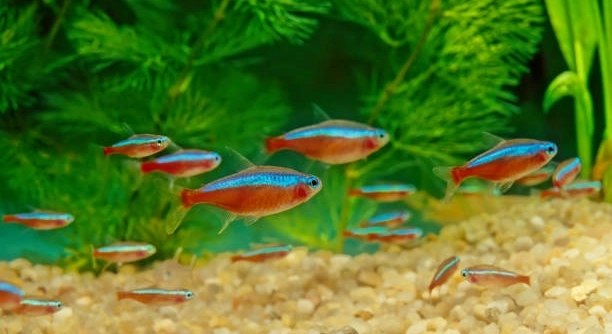
Tetras are popular small fish that many people enjoy keeping in home aquariums. They are active swimmers and often brighten up any tank with their colors. Understanding their behavior helps ensure they stay healthy and happy in captivity.
Tetras can show signs of boredom when their environment lacks stimulation or variety. This can lead to changes in swimming patterns, reduced activity, or stress-related behaviors. Proper tank setup and enrichment are essential to prevent boredom in these fish.
Recognizing these signs early helps improve your tetra’s quality of life and keeps your aquarium lively and balanced.
Signs Your Tetra Might Be Bored
When tetras get bored, their behavior changes in ways that are easy to spot if you pay attention. You might notice they swim less or stick to one spot for longer periods. Sometimes they may dart around nervously or hide more often than usual. A bored tetra can also lose interest in food or show signs of stress, like clamped fins or faded colors. These changes are your fish’s way of telling you something is off with their environment. It’s important to watch closely because boredom can lead to health issues if ignored. Providing variety and stimulation in the tank can help keep your tetra active and content.
Boredom in tetras often shows through repetitive swimming patterns or increased aggression toward tank mates. These signs suggest they need more environmental enrichment.
To help prevent boredom, add plants, rocks, or decorations that create hiding spots and new spaces to explore. Changing the tank layout occasionally can also keep things interesting for your fish. Consider introducing a small school of tetras since they are social fish and enjoy the company of their own kind. This social interaction reduces boredom and promotes natural behaviors. Also, varying their diet with live or frozen foods can stimulate their interest during feeding times. Small changes in their routine can make a big difference in keeping your tetra healthy and lively.
Why a Stimulating Environment Matters
A stimulating environment is essential for your tetra’s wellbeing. Without enough things to explore or interact with, tetras become less active and more prone to stress. Stress weakens their immune system, making them vulnerable to diseases. Plants, rocks, and decorations mimic their natural habitat and offer shelter from perceived threats. These elements encourage natural behaviors like hiding, exploring, and schooling. Additionally, water quality plays a big role in their mental health. Clean, well-maintained water keeps them comfortable and more likely to remain active. Regularly testing and changing the water helps maintain a stable environment. Remember, a simple, dull tank can lead to boredom, but a thoughtfully arranged one keeps your tetra engaged and happy.
Adding variety in tank setup and care boosts your tetra’s mental and physical health. It helps them thrive rather than just survive.
Common Behavioral Changes to Notice
Tetras showing boredom often swim in circles or stay motionless at the tank’s bottom. These behaviors are clear signs that their environment isn’t stimulating enough.
When tetras swim in repetitive patterns or seem restless, it usually means they lack sufficient activity or social interaction. Boredom can cause them to lose interest in their surroundings, leading to a decrease in overall activity. They might also avoid feeding times or show less curiosity about new objects in the tank. This lack of engagement can cause stress, weakening their health over time. Observing these behaviors early lets you take steps to improve their tank conditions before the boredom worsens.
In some cases, tetras may start nipping at each other or other tank mates when bored. Aggression or territorial behavior is not common in healthy, happy tetras. This can disrupt the peace in your aquarium and harm the fish. Adding more hiding spots or increasing the group size can reduce stress and keep your tetras calm and social. Ensuring they have enough space and stimulation is key to preventing these negative behaviors.
How to Keep Tetras Engaged
Providing a variety of plants and decorations encourages exploration and hiding, which keeps tetras busy and less bored. Changing the tank layout regularly also refreshes their environment.
Interactive feeding is another way to engage your tetras. Offering live or frozen foods like brine shrimp or daphnia adds variety to their diet and stimulates their natural hunting instincts. A well-maintained tank with good water flow also helps mimic their natural habitat, encouraging natural swimming behaviors. Keeping a small school of tetras together provides social interaction that is essential for their mental well-being. A stimulating environment lowers stress and supports their health.
Tank Size and Space
Tetras need enough space to swim freely. A cramped tank can cause boredom and stress, leading to unhealthy behaviors.
A tank that holds at least 10 gallons for a small school is ideal. More space allows them to explore and reduces territorial disputes.
Importance of Social Groups
Tetras are schooling fish and thrive in groups. Keeping at least six together encourages natural behaviors and keeps them mentally stimulated.
Signs of Stress from Boredom
If a tetra becomes stressed, it may lose its vibrant colors or develop clamped fins. Watch for these signs as early warnings.
Can tetras get bored without other fish in the tank?
Yes, tetras are social fish and usually need the company of their own kind to stay active. Without tank mates, they can become lonely and bored, which affects their behavior and health. A small group helps them feel secure and stimulates natural swimming and schooling patterns.
How many tetras should I keep together?
Keeping at least six tetras together is recommended. Smaller groups may cause stress and unusual behavior since tetras rely on social interaction. Larger groups allow them to school naturally, which reduces boredom and aggression, and supports their overall well-being.
What are the best tank decorations to prevent boredom?
Plants, rocks, and caves create hiding spots and areas to explore, which keep tetras engaged. Live plants are especially good because they mimic a natural environment and improve water quality. Adding varied textures and heights in the tank helps stimulate your fish mentally.
Can changing the tank layout help keep tetras interested?
Yes, rearranging decorations and plants every few weeks offers new spaces to explore, which can reduce boredom. However, changes should be gentle and gradual to avoid stressing the fish. This simple action refreshes their environment and encourages activity.
Do tetras need special foods to prevent boredom?
While a balanced staple diet is important, adding live or frozen foods like brine shrimp or daphnia can make feeding time more exciting. These foods engage their natural hunting instincts, providing mental stimulation beyond basic pellets or flakes.
How do I know if my tetra is bored or sick?
Boredom often shows as repetitive swimming or hiding, while illness might cause lethargy, loss of appetite, or unusual spots. Watch closely for changes in behavior combined with physical symptoms. If unsure, test water quality and consider consulting a vet.
Is tank size really that important for tetra activity?
Yes, tank size directly affects how much room tetras have to swim and interact. Too small a tank limits movement and increases stress, which can lead to boredom and health issues. Providing enough space promotes natural, active behavior and keeps them happy.
Can a single tetra be happy alone?
Generally, no. Tetras are schooling fish and feel safer in groups. A lone tetra may become lonely, stressed, and bored, showing less activity. It’s best to keep them with others to maintain their social needs and mental health.
What are some signs of boredom in tetras?
Signs include swimming in circles, hiding excessively, reduced interest in food, and fading color. They might also become aggressive or nip at other fish. Noticing these early allows you to improve their environment and prevent further stress.
How often should I clean and maintain the tank to help prevent boredom?
Regular cleaning and water changes keep the tank healthy and comfortable, which reduces stress and boredom. Aim for partial water changes weekly and cleaning algae or debris as needed. A clean tank supports a stable environment for your tetras to thrive.
Tetras are lively little fish that need the right environment to stay healthy and happy. When their tank is too simple or small, they can get bored, which may cause them to act differently or even become stressed. Watching how your tetras behave is important because it helps you know if something needs to change. If they swim in circles a lot, hide too much, or lose their bright colors, these could be signs of boredom. By noticing these signs early, you can make their tank more interesting and comfortable for them.
A good way to keep tetras from getting bored is to give them a tank that feels like their natural home. This means adding plants, rocks, and places where they can hide or explore. It’s also helpful to keep several tetras together because they enjoy swimming in groups. Social interaction is important for them and helps reduce stress. Changing the tank layout every so often gives them new things to check out, which keeps them curious. Feeding them a mix of different foods, like flakes and live or frozen treats, also keeps their daily routine from becoming dull.
Taking care of your tetras means paying attention to both their physical and mental health. Keeping the water clean and the tank well-maintained supports their overall well-being. Remember, a happy tetra is an active and colorful one. By creating a stimulating environment and making small changes when needed, you can help your tetras live longer, healthier lives. Their behavior will improve, and your aquarium will be a more enjoyable space to watch. Providing the right care makes a big difference in how your tetras feel every day.

Hello,
If you enjoy the content that we create, please consider saying a "Thank You!" by leaving a tip.
Every little bit helps us continue crafting quality advice that supports the health, happiness, and well-being of pets around the world, for pets of all shapes, sizes, and species.
We really appreciate the kindness and support that you show us!