
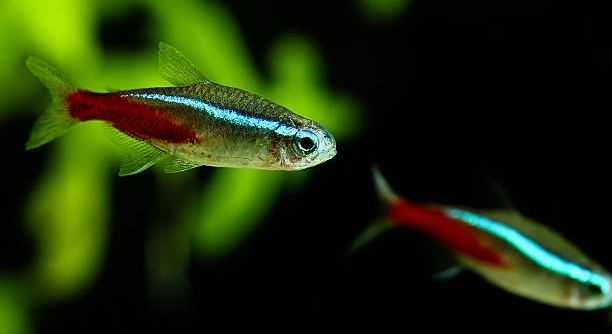
Are your tetras constantly chasing or nipping at each other, turning your peaceful tank into a stressful environment for all your fish?
The most effective way to stop territorial behavior in tetras is to reduce stress and overcrowding. Providing a larger tank, adding hiding spaces, keeping them in appropriate group sizes, and maintaining stable water conditions can significantly improve their behavior.
These seven simple changes can help create a balanced environment and encourage calm, social behavior among your tetras.
Understand the Root of Territorial Behavior
Tetras may become territorial when their environment feels too small, unsafe, or overcrowded. In most cases, this behavior stems from stress, poor tank layout, or being kept in unsuitable group sizes. Tetras are naturally schooling fish, and when they don’t have enough companions or feel their space is limited, they often become aggressive to claim areas. Some species are more prone to this behavior than others, and knowing the specific needs of your tetra type helps manage it better. Ensuring your tank setup meets their needs is the first step toward reducing conflict and encouraging a calmer atmosphere.
Territorial behavior may also increase during feeding times or when new tankmates are introduced, leading to sudden outbursts and stress for the group.
Try observing your fish during different times of the day. You might notice patterns in behavior that point to certain triggers. This can help you make necessary adjustments sooner.
Increase the Tank Size
A small tank can make your tetras feel crowded, causing stress and aggression. Upgrading to a larger tank offers more space for swimming, hiding, and forming peaceful social groups.
A bigger tank reduces competition for space. Even an extra 10 gallons can make a huge difference. Tetras need horizontal swimming space more than vertical. A wider tank allows them to spread out and create better group dynamics. Aim for at least 20 gallons when keeping a small group, especially if you want to add plants or other species. The added room supports natural behavior and limits the chance of one fish becoming overly dominant. When tank size is right, you may notice your tetras schooling more often and showing smoother interactions. This setup gives them the chance to establish calm territories without conflict, especially when paired with good lighting and hiding places.
Add More Hiding Spots
Adding extra hiding places can reduce territorial behavior by giving each tetra a place to retreat. Use plants, caves, driftwood, or decorations that break up sightlines and create safe, shaded areas within the tank.
When fish have hiding spots, they feel more secure and are less likely to lash out. In a tank without shelter, dominant tetras may claim open space and constantly chase others away. Breaking the tank into smaller visual zones helps prevent this. Natural décor like tall plants, rock piles, and floating leaves can mimic their natural habitat and lower overall stress. Rearranging decorations once in a while also resets territory claims and encourages exploration instead of aggression. Each fish having its own space can dramatically reduce chasing, nipping, and other forms of territorial displays, making the group more peaceful overall.
Avoid packing the tank too tightly. Keep open swimming space balanced with enough cover to encourage a calmer environment.
Keep a Proper Group Size
Tetras are social fish and feel safer in a group. Keeping too few increases aggression and stress. Aim for at least six of the same species to support schooling and natural group behavior.
Smaller groups often lead to problems. When there are only two or three tetras, one may become dominant and chase the others constantly. A group of six or more spreads out aggression and reduces bullying. This helps create a more natural and peaceful tank. Make sure all tetras are of the same species, as mixing different types can confuse schooling patterns and lead to stress. Equal size and energy levels among fish also matter. If one is much larger or more active, it may intimidate others. Keeping the group balanced helps reduce fear-based aggression and builds harmony. Regularly monitor the group after adding new fish to be sure the tank remains calm and the school stays together.
Rearrange the Tank Layout
Changing the tank layout can break established territories. Moving plants, decorations, and rocks helps reset boundaries and reduce aggression. It forces fish to explore again, which shifts their focus away from defending specific spots.
Make small changes gradually to avoid stressing all the fish. Even slight adjustments can make a difference.
Improve Water Quality
Poor water conditions lead to stress, which often triggers aggression in tetras. Clean water helps them feel safe and stable. Regularly test the water for ammonia, nitrite, nitrate, and pH. Perform partial water changes weekly and avoid overfeeding, which can pollute the tank quickly. Use a good filter that matches your tank’s size, and clean it as recommended. Stable temperature and low lighting also reduce stress. When the water quality is high, tetras behave more calmly and interact peacefully. Dirty or fluctuating conditions, even for a short time, can lead to nervous, territorial behavior. Keeping the environment clean makes a big difference.
Avoid Mixing Aggressive Species
Mixing tetras with aggressive tankmates often increases stress and territorial displays. Choose peaceful species that share similar size and behavior.
FAQ
Why are my tetras suddenly fighting?
Sudden aggression is usually a sign of stress, overcrowding, or changes in the tank. It may also happen when a new fish is introduced or the tank is rearranged. Poor water quality, small group size, or not enough hiding spaces can also trigger aggression. Even small shifts in lighting, temperature, or territory can lead to chasing, nipping, or dominance displays. Observing when and how the aggression happens can help pinpoint the cause. Fixing the root issue—such as adding more cover, checking water parameters, or increasing the tank size—usually helps restore peace in the group.
How many tetras should I keep together?
Tetras are schooling fish and do best in groups of at least six of the same species. When kept alone or in very small groups, they often become anxious and aggressive. A proper school helps spread out aggression and makes all the fish feel more secure. Larger groups tend to swim more peacefully and display natural behavior. If your tank size allows, consider keeping eight to ten tetras, especially if you have a peaceful species like neon or ember tetras. Just make sure the tank has enough room for swimming and enough décor for shelter.
Do tetras get aggressive with other fish?
Tetras can show aggression toward other fish, especially if the tank is too small or poorly arranged. This is more common with semi-aggressive tetra types like serpae or black skirt tetras. Peaceful species like neon or ember tetras are usually calm with compatible tankmates. The key is to avoid pairing them with long-finned or slow-moving fish that might become targets. Also, don’t add aggressive or larger fish that could stress or threaten them. A well-matched community tank with peaceful species, proper group sizes, and enough space usually prevents these issues.
Can changing food help reduce aggression?
Food can play a small role in aggression. If tetras feel competition at feeding time or aren’t getting enough, they may become territorial. Feeding high-quality flakes or micro pellets, along with occasional frozen or live food, can improve behavior. Try spreading food out across the tank to prevent fights over one area. Feeding smaller portions more frequently may also help. Though diet alone won’t fix the problem, it supports overall health, which reduces stress and aggressive tendencies. A well-fed school in a calm tank usually behaves more peacefully during and after meals.
What are signs that a tetra is stressed?
Signs of stress in tetras include faded color, hiding all the time, fast breathing, sudden darting, and nipping at others. A stressed fish might stop schooling, eat less, or hang near the bottom or surface. Stress often comes from poor water conditions, bullying, or environmental changes. If these signs appear suddenly, test the water and observe interactions closely. Simple changes like adjusting lighting, improving tank layout, or reducing noise around the tank can help. When tetras feel secure, their colors brighten, and they swim confidently with their group.
Do all tetras become territorial?
Not all tetras show territorial behavior, but some species are more prone to it. Serpae, Buenos Aires, and black skirt tetras are known for being more aggressive. Neon, ember, and glowlight tetras are usually peaceful if kept in proper group sizes and a well-set tank. Even with the more aggressive types, territorial behavior can often be controlled with the right setup. Avoid overcrowding, keep stable water conditions, and provide plenty of space and hiding areas. Knowing your specific species’ temperament can help you create the best environment from the start.
How long does it take for territorial behavior to stop after making changes?
It usually takes a few days to a week for tetras to calm down after changes. Some fish adjust quickly, while others may need more time. If the tank layout is improved, hiding spots are added, and the water quality is stable, you should start seeing better behavior within a few days. Observe the school closely and give them time to settle. If aggression continues after two weeks, check for underlying issues—like incorrect tank mates or not enough space. Patience is key when adjusting their environment.
FAQ
Why are my tetras suddenly fighting?
Sudden aggression is usually a sign of stress, overcrowding, or changes in the tank. It may also happen when a new fish is introduced or the tank is rearranged. Poor water quality, small group size, or not enough hiding spaces can also trigger aggression. Even small shifts in lighting, temperature, or territory can lead to chasing, nipping, or dominance displays. Observing when and how the aggression happens can help pinpoint the cause. Fixing the root issue—such as adding more cover, checking water parameters, or increasing the tank size—usually helps restore peace in the group.
How many tetras should I keep together?
Tetras are schooling fish and do best in groups of at least six of the same species. When kept alone or in very small groups, they often become anxious and aggressive. A proper school helps spread out aggression and makes all the fish feel more secure. Larger groups tend to swim more peacefully and display natural behavior. If your tank size allows, consider keeping eight to ten tetras, especially if you have a peaceful species like neon or ember tetras. Just make sure the tank has enough room for swimming and enough décor for shelter.
Do tetras get aggressive with other fish?
Tetras can show aggression toward other fish, especially if the tank is too small or poorly arranged. This is more common with semi-aggressive tetra types like serpae or black skirt tetras. Peaceful species like neon or ember tetras are usually calm with compatible tankmates. The key is to avoid pairing them with long-finned or slow-moving fish that might become targets. Also, don’t add aggressive or larger fish that could stress or threaten them. A well-matched community tank with peaceful species, proper group sizes, and enough space usually prevents these issues.
Can changing food help reduce aggression?
Food can play a small role in aggression. If tetras feel competition at feeding time or aren’t getting enough, they may become territorial. Feeding high-quality flakes or micro pellets, along with occasional frozen or live food, can improve behavior. Try spreading food out across the tank to prevent fights over one area. Feeding smaller portions more frequently may also help. Though diet alone won’t fix the problem, it supports overall health, which reduces stress and aggressive tendencies. A well-fed school in a calm tank usually behaves more peacefully during and after meals.
What are signs that a tetra is stressed?
Signs of stress in tetras include faded color, hiding all the time, fast breathing, sudden darting, and nipping at others. A stressed fish might stop schooling, eat less, or hang near the bottom or surface. Stress often comes from poor water conditions, bullying, or environmental changes. If these signs appear suddenly, test the water and observe interactions closely. Simple changes like adjusting lighting, improving tank layout, or reducing noise around the tank can help. When tetras feel secure, their colors brighten, and they swim confidently with their group.
Do all tetras become territorial?
Not all tetras show territorial behavior, but some species are more prone to it. Serpae, Buenos Aires, and black skirt tetras are known for being more aggressive. Neon, ember, and glowlight tetras are usually peaceful if kept in proper group sizes and a well-set tank. Even with the more aggressive types, territorial behavior can often be controlled with the right setup. Avoid overcrowding, keep stable water conditions, and provide plenty of space and hiding areas. Knowing your specific species’ temperament can help you create the best environment from the start.
How long does it take for territorial behavior to stop after making changes?
It usually takes a few days to a week for tetras to calm down after changes. Some fish adjust quickly, while others may need more time. If the tank layout is improved, hiding spots are added, and the water quality is stable, you should start seeing better behavior within a few days. Observe the school closely and give them time to settle. If aggression continues after two weeks, check for underlying issues—like incorrect tank mates or not enough space. Patience is key when adjusting their environment.

Hello,
If you enjoy the content that we create, please consider saying a "Thank You!" by leaving a tip.
Every little bit helps us continue crafting quality advice that supports the health, happiness, and well-being of pets around the world, for pets of all shapes, sizes, and species.
We really appreciate the kindness and support that you show us!