
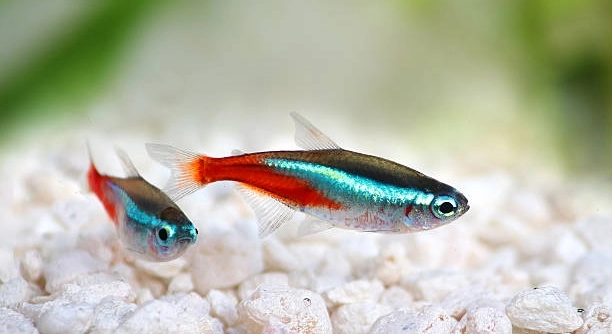
Are your tetras spending most of their time hiding behind plants or decorations instead of swimming freely around the tank? It can be frustrating when your fish don’t seem as active or visible as they should be.
Tetras often hide due to stress caused by poor water conditions, aggressive tank mates, inadequate hiding spots, or sudden changes in their environment. Ensuring stable water quality and a peaceful habitat can quickly improve their behavior.
Learning what causes this behavior can help you create a more comfortable tank. Small changes can make a big difference in helping your tetras feel safe and come out of hiding.
Common Reasons Your Tetras Are Hiding
Tetras are naturally timid, but hiding constantly usually means something isn’t right in their environment. The most common reason is stress. Poor water quality, sudden changes in lighting, loud noises, or even vibrations near the tank can make them feel unsafe. Aggressive tank mates like barbs or larger fish can also scare tetras into hiding. If your tank is too bright or lacks plants and decorations, your fish may not feel secure enough to come out. New tanks or recent rearrangements also tend to make tetras hide until they adjust. If you’ve recently introduced new fish, the stress from adapting to new tank mates may also cause this behavior. Making small changes and paying attention to their environment can go a long way.
Tetras need a calm, steady environment with minimal disruption. Loud sounds, harsh lighting, or frequent changes can increase their stress levels and cause hiding.
Some tetras may hide because of sickness. If they’re not swimming properly, eating, or have faded colors, illness could be the reason. It’s important to observe closely and check for signs like clamped fins or white spots. If you suspect disease, separating the sick fish and treating them promptly is key. Early action helps prevent the issue from spreading.
Simple Fixes to Help Your Tetras Feel Safe
Start by testing your water parameters. Nitrate, nitrite, ammonia, and pH levels should be balanced and within safe ranges.
Once your water quality is stable, focus on their environment. Add more live or silk plants to create shaded spots and hiding areas. Driftwood, rocks, or decorations that provide cover also make tetras feel secure. Avoid overly bright lighting; dim lights or floating plants can help tone it down. Choose peaceful tank mates like corydoras or rasboras to reduce stress. Rearranging the tank too often can unsettle tetras, so try to keep their layout consistent. Feed them a proper diet with quality flakes or micro pellets. Stick to a regular schedule to build trust. Keep the tank in a low-traffic area to avoid loud noise and vibrations. If you’ve just introduced new tetras, give them time to adjust. Gradual changes are better than sudden ones. By keeping their habitat calm, clean, and predictable, your tetras will start feeling more at ease and swim freely again.
How Tank Setup Affects Tetra Behavior
A crowded or bare tank can make tetras feel unsafe. Without enough cover or space to swim, they tend to hide. A tank that lacks plants, decorations, or has harsh lighting doesn’t give them the comfort they need to feel secure.
Adding live plants like java fern, anubias, or hornwort creates natural shelter and reduces stress. Driftwood and caves help too. Tetras are more active when they have places to explore and hide. Stick to soft lighting or use floating plants to break up direct light. Make sure your tank is at least 10 gallons for small groups. The more space and hiding spots you provide, the more confident and visible your tetras will become. A peaceful, well-decorated tank supports their natural schooling behavior and keeps them more active.
Tetras also like consistency. If you change the tank layout too often, they may become uneasy and hide more. Stick to one setup once they’re settled.
How Tank Mates Influence Stress Levels
Tetras do best with peaceful fish. Aggressive or fast-swimming species can chase or intimidate them, leading to constant hiding. Even subtle bullying can cause stress. Watching your fish interact helps you spot unwanted behavior early.
Choose tank mates like corydoras, kuhli loaches, small rasboras, or peaceful gouramis. Avoid fin-nippers or fish that get too large. Always research compatibility before adding new fish. Keep tetras in groups of at least six—they feel safer in schools. Spread food around the tank to avoid competition. If you notice one species dominating space or food, consider rearranging decor or even rehoming certain fish. A calm and balanced tank encourages tetras to swim freely. When all tank mates coexist peacefully, you’ll see more natural behavior and less hiding from your tetras. Keeping a close eye on their behavior during feeding or after tank changes can help prevent future issues.
Signs Your Tetra Is Stressed
Faded colors, clamped fins, and lack of appetite are common signs of stress in tetras. They may also breathe rapidly or separate from their group. These changes usually mean something in the tank isn’t right.
Hiding constantly or darting around nervously can also be signs. Stress doesn’t always look dramatic—small behavior shifts matter too.
How Lighting Impacts Their Comfort
Tetras prefer dim lighting that mimics their natural habitat. Strong, direct light can make them feel exposed and vulnerable, especially in tanks without enough plants or decor. If your tank is brightly lit, add floating plants or adjust the light intensity. Soft lighting encourages tetras to come out and swim more freely.
When to Be Concerned
If your tetra stays hidden for days and shows no interest in food, it may be sick. Look for physical changes or unusual swimming patterns.
FAQ
Why do my tetras hide after I clean the tank?
Tetras can get stressed by sudden changes, including water changes or rearranging decorations. The disruption in their environment makes them feel unsafe, so they hide until they adjust. To reduce stress, clean the tank slowly by changing only 20-30% of the water at a time and avoid moving too many decorations at once. Keeping a stable environment helps them feel secure and come out sooner.
Can tetras hide because they are sick?
Yes, illness is a common reason for hiding. Sick tetras often lose energy and avoid swimming openly. Watch for symptoms like faded colors, clamped fins, or white spots. If you notice these signs, separate the fish and treat them with proper medication. Early treatment improves their chances of recovery and helps the rest of the tank stay healthy.
Do tetras prefer dim lighting?
Tetras come from shaded, slow-moving waters and generally prefer low to moderate lighting. Bright, harsh light can stress them out, making them hide more often. Using floating plants or dimming the tank lights creates a comfortable environment, encouraging tetras to swim openly and display natural behavior.
Is it normal for tetras to hide at night?
Yes, tetras are more active during the day and tend to hide or rest at night. This is normal behavior and should not be a concern unless they remain hidden during daylight hours or show other signs of stress.
How many tetras should I keep together?
Tetras are schooling fish and feel safest in groups of at least six. Smaller groups may cause stress and hiding because they feel vulnerable. A larger group promotes natural behavior and reduces fear, making your tank livelier.
Can aggressive tank mates cause tetras to hide?
Absolutely. Larger or aggressive fish often intimidate tetras, forcing them to hide constantly. Choose peaceful species like corydoras, rasboras, or small gouramis. Always research compatibility before adding new fish, and observe interactions closely to ensure a peaceful tank environment.
What water parameters are best for tetras?
Tetras thrive in soft to moderately hard water with a pH between 6.0 and 7.5. Temperature should be steady around 72-80°F (22-27°C). Keeping ammonia and nitrite at zero, and nitrate below 20 ppm, is essential. Regular water testing and maintenance prevent stress and help your tetras feel safe and healthy.
Why do tetras hide after adding new fish?
New tank mates can cause stress and disrupt the social balance. Tetras may hide while they adjust or if they feel threatened by newcomers. Introducing fish slowly and providing plenty of hiding spots helps reduce tension and supports peaceful coexistence.
Can poor diet cause tetras to hide?
Yes. An inadequate diet affects their health and energy, making tetras less active and more likely to hide. Feed a balanced diet with high-quality flakes, frozen or live foods like daphnia or brine shrimp. Feeding small amounts regularly helps maintain their vitality and reduces hiding behavior.
How long do tetras usually hide when stressed?
The time varies but generally ranges from a few hours to several days. If stressors are removed quickly and the environment improves, tetras often come out sooner. Prolonged hiding may signal illness or persistent issues that need addressing to ensure their well-being.
Final Thoughts
Tetras hiding is often a sign that something in their environment isn’t quite right. Stress from poor water quality, bright lights, or aggressive tank mates can make these small fish feel unsafe. While it’s normal for tetras to hide occasionally, constant hiding means changes are needed to help them feel more comfortable. Paying close attention to their behavior and surroundings is the best way to spot any problems early and fix them before the fish become too stressed or sick.
Creating a calm and stable tank environment is key to helping your tetras come out of hiding. This includes maintaining good water quality by testing regularly and doing partial water changes. Providing plenty of plants, decorations, and hiding spots will help tetras feel secure and reduce stress. Keeping the lighting soft and choosing peaceful tank mates also makes a big difference. Tetras do best in groups of six or more, so giving them company helps reduce fear and encourages natural swimming and social behavior.
Sometimes it takes patience to see your tetras become more active. New tanks or recent changes can make fish hide until they adjust to their new home. By making thoughtful changes to water conditions, tank setup, and companions, you’ll create a welcoming space for your tetras. With time, they will feel safe enough to swim openly and brighten your aquarium with their lively presence. Watching your tetras thrive after making these small improvements can be very rewarding and shows the importance of understanding their needs.

Hello,
If you enjoy the content that we create, please consider saying a "Thank You!" by leaving a tip.
Every little bit helps us continue crafting quality advice that supports the health, happiness, and well-being of pets around the world, for pets of all shapes, sizes, and species.
We really appreciate the kindness and support that you show us!