
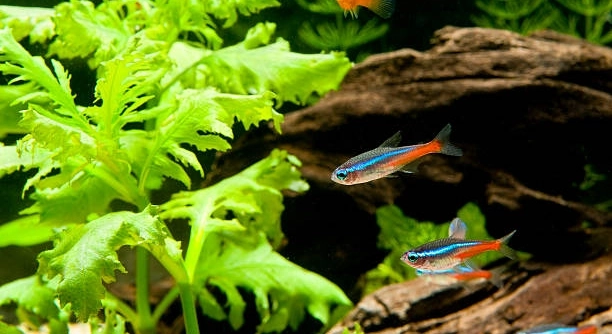
Tetras are popular small fish kept in home aquariums. Many fish owners wonder if these tiny creatures can recognize the people who care for them. Understanding this behavior can help improve the bond between owner and pet.
Research shows that tetras have limited recognition abilities. They respond mostly to changes in their environment, such as feeding times and movement near the tank, rather than recognizing individual owners. Their responses are based on routine and survival instincts.
Knowing how tetras interact with their owners can improve care and create a calmer environment for these fish. The following information explains their behavior in simple terms.
How Tetras Respond to Their Environment
Tetras rely heavily on their senses to understand their surroundings. They are sensitive to light, movement, and vibrations in the water. When their owner approaches the tank, the fish may swim closer or become more active, but this reaction is usually linked to expecting food rather than recognizing the person. Over time, tetras can learn the routine of feeding times and associate certain cues, like tapping on the glass or shadows, with mealtime. This conditioning helps them survive in captivity but does not mean they truly identify their owner. Their small brains limit complex recognition abilities, so responses are mostly automatic and instinctive. Although they don’t form attachments like dogs or cats, tetras can become comfortable with regular interaction and feel less stressed when their environment stays consistent. Creating a stable tank routine is important to keep them calm and healthy.
Tetras react mainly to routine and environmental cues, rather than individual owners. They are creatures of habit, not personal recognition.
Understanding these responses helps owners create better care routines. Observing your tetras closely reveals how they adapt to your aquarium’s rhythm. Small actions like feeding or tank maintenance can influence their behavior. Providing a quiet, stable environment reduces stress and promotes natural activity. Over time, you may notice patterns in how they behave when you approach. These patterns show their learning of habits, not recognition of people. Knowing this distinction improves how you interpret your fish’s behavior and helps you support their well-being with proper care.
Signs That Tetras Are Comfortable Around You
Comfort in tetras shows mainly through calm swimming and regular feeding behavior. When they are relaxed, they swim steadily and explore the tank without sudden darting. They tend to group together, which is natural for schooling fish. If your tetras swim near the front of the tank when you approach, it usually means they expect food. These signs indicate they are used to your presence and the routine you provide. Fish that are stressed hide or stay still at the bottom. Watching these behaviors can guide you in improving their environment.
Comfortable tetras show calm behavior and routine awareness, not personal attachment.
Patience and consistency are key to helping tetras settle in. Regular feeding at the same time and minimal disturbances create a predictable environment. Avoid sudden movements or loud noises near the tank. Gradually, tetras will show signs of comfort like steady swimming and interest in their surroundings. Giving them space and maintaining good water quality supports their health and behavior. While they may never recognize you as a person, your care ensures they thrive. Focusing on their comfort rather than expecting personal recognition leads to a better experience for both you and your fish.
Can Tetras Learn to Associate Owners with Food?
Tetras can learn to associate specific actions or signals with feeding time. This is a basic form of conditioning, not true recognition of an owner as an individual.
When you approach the tank or tap the glass, tetras may swim to the front, expecting food. They remember routines linked to survival, such as the time of day when they are usually fed. These learned behaviors show their ability to adapt to the environment but do not mean they recognize people personally. This conditioning helps reduce stress, as fish anticipate positive experiences.
Over time, tetras become responsive to consistent cues. Feeding schedules and small signals guide their behavior. The fish learn to expect food when they see certain movements, but their response is automatic rather than emotional. Understanding this helps set realistic expectations about fish behavior.
Tips to Help Your Tetras Feel Secure
A stable environment supports your tetras’ well-being. Keep feeding times consistent and avoid sudden changes in the tank setup. Maintaining water quality is essential to reduce stress.
Regular routines and gentle movements around the tank help tetras feel safe. Minimize loud noises or tapping on the glass, which can frighten them. Use a proper tank size and include plants or decorations for hiding spots. These elements create a calm habitat that encourages natural behavior. With patience and care, your tetras will be more active and comfortable in their environment.
Do Tetras Show Affection?
Tetras do not show affection like mammals or birds. Their behavior is based mostly on survival instincts and routine rather than emotional bonds.
They may swim close to each other or their owner’s presence, but this is a response to familiar cues, not affection.
How Tetras Use Their Senses
Tetras rely on sight and lateral line systems to detect movement and vibrations in the water. These senses help them avoid predators and find food. They respond quickly to changes in light or motion around the tank. Their eyes are adapted to detect shapes and movement but not detailed recognition. The lateral line system senses pressure changes, guiding them through their environment safely. These sensory tools are vital for survival but do not support recognizing individual humans.
What Influences Tetra Behavior?
Tank conditions greatly affect how tetras behave. Clean water, proper temperature, and enough space help them stay active and healthy.
Training Tetras Is Limited
Tetras can learn simple routines but cannot be trained like other pets.
What is a tetra fish?
Tetras are small freshwater fish popular in home aquariums. They are known for their bright colors and peaceful behavior. Originating from South America and Africa, they live in schools and prefer calm water with plants. Tetras are easy to care for, making them a favorite among fish owners.
Can tetras recognize their owners?
Tetras do not recognize owners like pets such as cats or dogs. Their behavior is mostly driven by routine and survival instincts. They may respond to the presence of a person near the tank, but this reaction is usually linked to feeding or movement, not personal recognition.
How do tetras react when their owner approaches?
When you approach the tank, tetras often become more active or swim to the front. This happens because they associate your presence with feeding time. It is a conditioned response rather than a sign of recognition or affection.
Can tetras be trained?
Tetras can learn simple routines such as feeding times or recognizing signals like tapping on the tank. However, their ability to be trained is limited compared to mammals or birds. Their responses are mainly automatic and based on repetition.
Do tetras show affection?
Tetras do not show affection in the way mammals do. Their social behavior involves swimming in groups and staying close to each other for safety. Their interactions with humans are based on routine rather than emotional bonds.
What senses do tetras use to interact with their environment?
Tetras rely mostly on their vision and a sensory organ called the lateral line, which detects vibrations and pressure changes in the water. These senses help them find food, avoid predators, and navigate their tank safely.
How can I help my tetras feel comfortable?
Maintaining a stable environment is key. Keep water clean, maintain a consistent temperature, and feed your tetras at regular times. Avoid loud noises or sudden movements near the tank. Providing plants or decorations also gives them places to hide and feel secure.
Why do tetras swim to the front of the tank?
Tetras swim to the front when they expect food. They learn to associate certain cues, such as seeing you or hearing tapping, with feeding time. This behavior is based on conditioning rather than recognizing you personally.
Can tetras get stressed by their owners?
Yes, tetras can become stressed if there is too much noise, sudden movements, or frequent tapping on the glass. Stress can affect their health and behavior, so keeping a calm and stable environment helps them thrive.
How important is routine for tetras?
Routine is very important for tetras. They respond well to consistent feeding times and stable tank conditions. A predictable environment reduces stress and encourages natural behavior.
What should I avoid to keep my tetras healthy?
Avoid sudden changes in water temperature, overfeeding, and loud noises near the tank. Frequent rearrangement of tank decorations can also stress tetras. Keeping the environment stable and clean supports their well-being.
Can tetras recognize their reflection?
Tetras may react to their reflection by swimming toward it or showing curiosity. This is a response to seeing movement, not self-recognition. They do not understand that the reflection is themselves.
How do tetras communicate with each other?
Tetras communicate mostly through movement and body language. Swimming in tight schools helps protect them from predators. Changes in swimming speed or direction can signal danger or alert others.
Is it normal for tetras to hide?
Yes, hiding is normal behavior when tetras feel threatened or stressed. Providing plants and decorations allows them to retreat and feel safe. If hiding is constant, it may indicate poor water quality or illness.
How long do tetras live?
Tetras typically live between 3 to 5 years with proper care. Good water quality, a balanced diet, and a stress-free environment contribute to a longer life span.
What do tetras eat?
Tetras eat small flakes, pellets, and live or frozen foods like brine shrimp and bloodworms. A varied diet helps keep them healthy and colorful.
Can I keep tetras with other fish?
Tetras are peaceful and usually do well with other non-aggressive fish. Avoid keeping them with larger or aggressive species that may harm them.
What tank size is best for tetras?
A minimum tank size of 10 gallons is recommended for a small school of tetras. More space is better as they are active swimmers and need room to move comfortably.
How often should I clean the tank?
Regular cleaning every 1 to 2 weeks helps maintain good water quality. Partial water changes and filter maintenance keep the environment healthy for your tetras.
Why do my tetras sometimes swim erratically?
Erratic swimming can be caused by stress, poor water conditions, or illness. Check water parameters and observe for signs of disease. Improving tank conditions often helps return normal behavior.
Tetras are fascinating little fish that many people enjoy keeping in their home aquariums. While they do not recognize their owners in the way pets like cats or dogs might, they respond to consistent routines and environmental cues. Their behavior is based mainly on survival instincts and conditioned responses rather than emotional bonds or personal recognition. This means they learn to associate your presence with feeding time or other regular activities, but they do not form attachments to individual people. Understanding this helps set realistic expectations when caring for tetras.
Creating a stable and comfortable environment is key to keeping tetras healthy and active. Maintaining good water quality, consistent feeding schedules, and minimizing sudden disturbances around the tank can reduce stress for these fish. Including plants, decorations, or hiding spots in the tank provides security and encourages natural behavior. When tetras feel safe and their basic needs are met, they swim more freely and appear more lively. Though they may not show affection in a traditional sense, their responses to routine and calm surroundings are signs of comfort and well-being.
In the end, caring for tetras is about providing the right conditions for their survival and growth rather than expecting emotional interaction. They are small creatures with simple brains, making them limited in how they recognize and respond to their owners. By focusing on good care practices and understanding their natural behaviors, you can enjoy the beauty and activity these fish bring to your aquarium. Your role as an owner is to maintain their environment and meet their needs, which allows them to thrive quietly and consistently.

Hello,
If you enjoy the content that we create, please consider saying a "Thank You!" by leaving a tip.
Every little bit helps us continue crafting quality advice that supports the health, happiness, and well-being of pets around the world, for pets of all shapes, sizes, and species.
We really appreciate the kindness and support that you show us!