
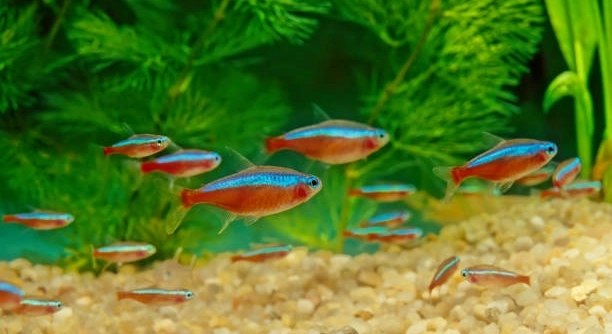
Keeping tetras as pets can be rewarding, but their care requires attention to detail. Many fish owners wonder if a filter is necessary for a healthy tetra tank. Understanding the basics can help maintain a thriving aquatic environment.
It is possible to keep tetras without a filter, but doing so carries significant risks. Without filtration, waste and toxins build up quickly, leading to poor water quality, stress, disease, and even death for the fish. Proper care and frequent water changes become essential.
Knowing the risks and alternatives helps you create a safer home for your tetras. This article outlines the main concerns and practical tips for fishkeeping without a filter.
Why Filters Are Important for Tetras
Filters play a crucial role in keeping aquarium water clean and healthy for tetras. They remove harmful waste products, like ammonia and nitrites, which build up from fish excretion and uneaten food. Without a filter, toxins can quickly accumulate, creating a dangerous environment for the fish. Filters also help circulate water, providing oxygen that tetras need to breathe. This circulation prevents stagnant water spots where debris can collect. Additionally, beneficial bacteria grow in the filter media, breaking down waste and keeping the water balanced. Without this natural breakdown, water quality can deteriorate rapidly. For tetras, which are sensitive to water changes, a filter ensures a stable habitat. While some people try to keep tetras without filters, this requires very frequent water changes and careful monitoring to avoid stress or illness. Overall, filters reduce the daily workload and create a safer tank environment for these small, active fish.
Using a filter reduces the risk of sudden water quality changes that could harm your tetras. It helps maintain a more natural and stable tank environment over time.
Keeping water clean without a filter means being ready to do more frequent water changes and closely watch water parameters. Without filtration, regular testing of ammonia, nitrite, and nitrate levels becomes necessary to prevent toxic buildup. This approach can work in very small or lightly stocked tanks, but the margin for error is slim. Tetras, being delicate fish, can become stressed if water quality drops even briefly. Stress weakens their immune system, making them more vulnerable to diseases. Besides water changes, removing uneaten food and debris promptly helps reduce waste. Plants can assist by absorbing some nitrates, but they don’t replace a filter’s full function. Maintaining this balance takes time and dedication, which might not suit every fish owner. Filters offer a safer and easier method to keep water conditions stable and protect the health of tetras in most aquariums.
Risks of Keeping Tetras Without a Filter
Not using a filter puts tetras at risk of poor water quality and health problems. Toxic ammonia and nitrites can build up quickly without filtration, leading to illness or death.
Fish waste and leftover food create a constant source of toxins that harm fish if not removed regularly. Without a filter to break down these substances, toxins accumulate in the water and cause stress to tetras. Stress can lead to weakened immune systems, making fish more prone to infections like fin rot or ich. Sudden spikes in toxins can cause fish to gasp for air or lose appetite. Poor water conditions may also stunt growth and reduce lifespan. Additionally, lack of water movement from a filter means oxygen levels may drop, especially in warmer tanks, which affects fish breathing. The absence of mechanical filtration causes debris and waste to settle at the tank bottom, encouraging harmful bacteria growth. This environment invites outbreaks of disease, forcing owners to act quickly to save their fish. In summary, while it’s possible to keep tetras without a filter, the risks require constant attention and effort to maintain a safe habitat.
Frequent Water Changes Are Necessary
Without a filter, water changes become the main way to keep the tank clean. Changing 25 to 50 percent of the water every few days helps remove toxins and waste.
Water changes help reduce ammonia and nitrite buildup, but they require careful timing and consistency. Missing or delaying a water change can quickly harm your tetras. It’s important to use treated water to avoid chlorine or chloramine, which are harmful to fish. Also, make sure the new water matches the tank’s temperature to prevent shock. This routine can become time-consuming, especially with larger tanks or multiple fish. Consistent monitoring of water parameters is necessary to adjust the water change schedule based on the tank’s condition.
Besides water changes, vacuuming the gravel removes uneaten food and debris, preventing waste buildup. Regular cleaning of decorations and plants helps maintain a healthy environment. This maintenance routine is critical because without a filter, the tank depends on the owner’s diligence to avoid toxic conditions. Skipping these steps can quickly lead to poor water quality and stressed fish.
Oxygen Supply Without a Filter
Without a filter, oxygen levels in the tank can drop, affecting fish health. Moving water helps dissolve oxygen, so stagnant tanks risk low oxygen.
Aeration methods like air stones or surface agitation can help maintain oxygen levels without a filter. These tools increase water movement and gas exchange, which is essential in closed systems. Plants also add oxygen through photosynthesis during the day, but they cannot fully replace mechanical aeration. Without proper oxygen supply, tetras may become lethargic or gasp at the surface. Monitoring oxygen levels and providing adequate aeration supports fish wellbeing and reduces stress in a filterless tank.
Using air pumps or increasing surface movement helps maintain healthy oxygen levels. However, these methods require electricity and equipment upkeep. In case of power outages, oxygen supply may become limited, so extra caution is necessary. Maintaining proper aeration, combined with regular water changes, creates a safer environment for tetras when filters are not used. Being proactive with oxygen management is key to preventing health problems related to low dissolved oxygen in the tank.
Waste Buildup Without a Filter
Waste buildup happens faster without a filter. This creates harmful chemicals that can damage your tetras’ health quickly. Regular cleaning is needed to prevent toxic water.
Removing waste by vacuuming the substrate and cleaning decorations helps reduce toxins. Without this, water quality deteriorates fast, causing stress and illness for the fish.
Stress Levels Increase
Tetras exposed to poor water conditions often become stressed. Stress weakens their immune system and makes them more vulnerable to diseases like fin rot or ich. Maintaining clean water is essential for their well-being.
Risk of Disease Outbreaks
Without a filter, harmful bacteria and parasites can multiply quickly. This increases the risk of disease outbreaks that are harder to control without proper water filtration.
Limited Tank Size
Keeping tetras without a filter works best only in very small, lightly stocked tanks. Larger tanks or more fish make maintaining water quality difficult without filtration.
FAQ
Can tetras survive without a filter?
Yes, tetras can survive without a filter, but it is challenging. You must do very frequent water changes and monitor water quality closely. The tank environment can quickly become toxic without filtration, stressing the fish and increasing their risk of illness.
How often should water be changed without a filter?
Water should be changed at least 25 to 50 percent every two to three days. This helps remove waste and toxins. The exact frequency depends on tank size and fish load, but missing water changes can quickly harm tetras.
Is a sponge filter a good alternative?
Yes, sponge filters are gentle and provide both mechanical and biological filtration. They offer good water movement and oxygenation without stressing small tetras. Sponge filters are a simple and effective way to maintain water quality in small tanks.
Can plants replace a filter?
Plants help absorb nitrates and produce oxygen but cannot replace a filter’s full function. They support water quality but require proper lighting and care. Without a filter, plants alone won’t remove harmful ammonia or nitrites effectively.
What signs show poor water quality?
Signs include lethargic fish, gasping at the surface, faded colors, clamped fins, and loss of appetite. Cloudy water or foul smell also indicate problems. Monitoring these signs helps catch issues early to protect tetras.
How important is oxygenation without a filter?
Oxygenation is very important. Filters help circulate water and add oxygen. Without a filter, air stones or surface agitation are necessary to keep oxygen levels healthy and prevent fish from suffocating.
Can small tanks survive without filters?
Small, lightly stocked tanks can survive without filters if maintained carefully. Frequent water changes, good aeration, and regular cleaning are essential. Larger or crowded tanks without filters risk rapid water quality decline.
What diseases are common without a filter?
Common diseases include fin rot, ich, and fungal infections. Poor water quality weakens the fish’s immune system, making them more susceptible to infections. Prompt water changes and tank cleaning help reduce disease risk.
Is it more work to keep tetras without a filter?
Yes, it requires more effort. Without a filter, you must do frequent water changes, clean the tank often, and monitor water conditions closely. This routine demands time and commitment to keep tetras healthy.
What equipment is needed if no filter is used?
Essential equipment includes a reliable water conditioner, test kits for ammonia, nitrite, and nitrate, an air pump with air stones for oxygenation, and a gravel vacuum for cleaning. These tools help manage tank conditions without filtration.
Can tetras live longer without a filter?
Tetras generally live longer with a filter because stable water conditions reduce stress and disease. Without a filter, their lifespan may shorten due to fluctuating water quality and increased health risks.
How to reduce waste buildup without a filter?
Feed small amounts to prevent leftover food, vacuum the substrate regularly, and remove debris promptly. Combining these steps with frequent water changes controls waste buildup in a filterless tank.
Keeping tetras without a filter is possible, but it requires a lot of care and attention. Without a filter, the tank relies heavily on frequent water changes and regular cleaning to keep the water safe. Waste and toxins build up faster, so staying on top of tank maintenance is very important. This means changing a good portion of the water every few days and removing any uneaten food or debris. It can become a time-consuming task, especially for larger tanks or when there are many fish. If this routine is not followed closely, the water quality can drop quickly, which stresses the fish and can lead to illness.
Oxygen levels also need to be managed carefully without a filter. Filters help circulate the water, adding oxygen and keeping it fresh. Without this movement, the tank water can become stagnant, which is harmful to tetras. Using an air pump or air stones helps keep oxygen in the water, but these tools also need power and upkeep. Plants in the tank can improve oxygen levels during the day, but they do not fully replace the benefits of a filter. For those keeping tetras without filtration, monitoring oxygen and being prepared with backup methods is very important to avoid health problems.
In the end, keeping tetras without a filter demands commitment and constant care. While some small, lightly stocked tanks can do well this way, most fishkeepers find filters make maintaining water quality easier and safer for their fish. Filters reduce stress and disease risk by creating a stable environment. If you choose to keep tetras without one, be ready for the extra work and vigilance required. Paying close attention to water quality, waste buildup, and oxygen levels will help your tetras stay healthy and live longer.

Hello,
If you enjoy the content that we create, please consider saying a "Thank You!" by leaving a tip.
Every little bit helps us continue crafting quality advice that supports the health, happiness, and well-being of pets around the world, for pets of all shapes, sizes, and species.
We really appreciate the kindness and support that you show us!