
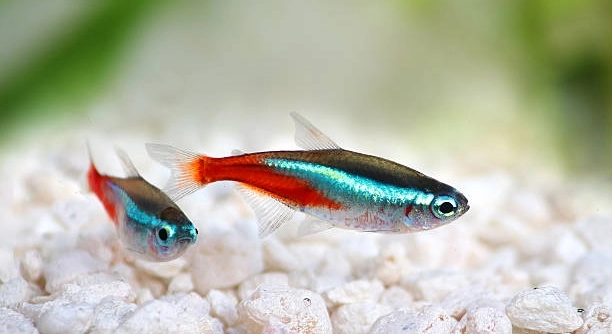
Tetras are popular aquarium fish known for their vibrant colors and active swimming habits. Many fishkeepers want to create the best environment for them. Water flow is one of the key factors that can affect their comfort and health in a tank.
Tetras generally prefer moderate to gentle water flow rather than fast currents. High water flow can stress these small fish, disrupting their swimming patterns and causing exhaustion. Maintaining a balanced flow supports their natural behavior and well-being.
Understanding how water flow impacts tetras can help you create a comfortable habitat. This article explains what kind of flow suits these fish best and why it matters for their care.
How Tetras React to Fast Flowing Water
Tetras are small, delicate fish that usually come from slow-moving streams and calm waters in their natural habitats. Fast flowing water can make it difficult for them to swim comfortably. When the current is too strong, tetras may spend more energy trying to swim against it instead of resting or exploring. This can lead to stress and fatigue, which weakens their immune systems and increases the risk of illness. Fishkeepers often notice that tetras hide more or act nervously when the water flow is too fast. To keep tetras happy, it’s important to adjust the aquarium’s filter or pumps to produce a gentle, steady current. Some aquariums have adjustable flow settings, allowing owners to create a calm environment. Plants, decorations, or rock formations can also help reduce the strength of the current, giving tetras places to rest out of strong water movement.
Fast flowing water is generally not suitable for tetras. A calm or gentle flow is better for their health and behavior.
Creating a suitable water flow can significantly improve your tetras’ quality of life. By carefully controlling the current, you encourage natural swimming patterns and reduce stress. This allows tetras to display their bright colors and active behavior more clearly. Proper flow also aids in oxygen distribution and waste removal without overwhelming the fish. Simple changes like lowering filter output or adding plants can make a noticeable difference. Taking time to observe your tetras’ response to water movement helps you fine-tune the environment. A well-balanced aquarium flow keeps your fish healthy and more enjoyable to watch every day.
Signs Your Tetras Dislike Strong Currents
When tetras dislike fast currents, they tend to show specific behaviors. They may hide more often or cling to plants and decorations. Swimming erratically or constantly trying to fight the current can also be a sign. Tetras might lose color or appear lethargic if stressed for long periods.
If you see your tetras avoiding open water or struggling to swim, consider reducing the water flow. Strong currents can cause ongoing stress that affects their health and lifespan. Adjusting the flow to a gentler level encourages natural behavior and helps them thrive. It’s important to monitor the fish regularly and make gradual changes. Avoid sudden shifts in water movement, which can further upset sensitive species like tetras. Providing a calm environment supports their well-being and makes your aquarium more balanced overall.
Adjusting Water Flow for Tetras
Controlling water flow starts with your aquarium filter. Most filters allow you to reduce the output to create a gentler current. Using sponge filters or adding flow deflectors can also help calm the water movement.
Reducing water flow helps prevent stress in tetras and encourages natural behavior. Flow deflectors or decorations can break strong currents into smaller, softer streams, making swimming easier. You can also rearrange plants and rocks to create sheltered areas where tetras can rest. Regularly check the flow speed by observing your fish; if they swim comfortably without struggling, the flow is likely suitable. Slow, steady water movement promotes oxygen exchange while keeping tetras relaxed.
If your filter does not have adjustable settings, you can switch to a quieter, low-flow filter designed for smaller tanks. Adding live plants helps by reducing current and improving water quality. Combining these methods ensures the tank environment stays gentle and supportive for your tetras.
Effects of Too Strong Flow on Tetra Health
Fast currents force tetras to use extra energy, leading to exhaustion and weakened immune response. This makes them more vulnerable to diseases and infections. Stress caused by strong flow can reduce their appetite, affecting overall nutrition.
Persistent exposure to strong currents can cause physical damage like torn fins or abrasions from hitting tank surfaces while trying to escape the flow. The constant struggle also affects their ability to rest properly, which is important for growth and recovery. Over time, this can shorten their lifespan and reduce their activity levels, making the aquarium less lively. Providing an environment with balanced water flow reduces these risks and promotes longer, healthier lives for tetras. It also supports breeding behavior, which can be hindered by stressful conditions caused by strong currents.
Choosing the Right Filter for Tetras
Selecting a filter with adjustable flow is ideal for tetras. It lets you control water movement to suit their needs. Avoid filters that produce strong currents, especially in smaller tanks.
Sponge filters are a popular choice because they provide gentle filtration and create minimal water movement. They also support beneficial bacteria growth, which helps keep the tank healthy for tetras.
Natural Habitat of Tetras
Tetras originate from slow-moving rivers and streams in South America. Their natural environment usually has calm, clear water with plenty of plants and hiding spots. This setting offers protection from strong currents and predators, shaping their preference for gentle water flow.
Balancing Water Flow and Oxygenation
Good oxygen levels depend on water movement, but too much flow stresses tetras. A moderate current helps circulate oxygen without overwhelming the fish. Using surface agitation or gentle filters can maintain this balance effectively.
FAQ
Do tetras need a strong water current to stay healthy?
No, tetras do not need strong water currents to stay healthy. They naturally live in slow-moving waters, so a gentle or moderate flow is better suited for their well-being. Strong currents can cause stress and make it difficult for them to swim comfortably.
Can fast water flow cause health problems for tetras?
Yes, fast water flow can cause health problems for tetras. It can lead to exhaustion because they have to swim harder to resist the current. This stress weakens their immune system, making them more susceptible to diseases and infections. Prolonged exposure to strong currents can also damage their fins and reduce their lifespan.
How can I reduce water flow in my aquarium for tetras?
Reducing water flow can be done by adjusting your filter’s output if it has a flow control feature. If not, you can add flow deflectors, place plants and decorations strategically, or use a sponge filter that creates less current. These methods help create a calmer environment for tetras to swim freely.
Are there specific filters recommended for tetra tanks?
Filters with adjustable flow rates are best for tetra tanks. Sponge filters are highly recommended because they produce gentle water movement and provide biological filtration. Canister or hang-on-back filters with adjustable flow can also work well when set to a lower output.
Will tetras hide if the current is too strong?
Yes, tetras tend to hide more when the current is too strong. They seek shelter behind plants, rocks, or decorations to avoid fighting the flow. This behavior indicates discomfort and stress. Creating areas of calm water in the tank encourages natural behavior and reduces hiding.
How do I know if my tetras are stressed by the water current?
Signs of stress caused by water current include frantic or erratic swimming, clinging to tank decorations or plants, fading colors, and loss of appetite. They may also spend more time hiding and seem lethargic. Observing these signs means it’s time to reduce the water flow.
Does water flow affect oxygen levels in the tank?
Yes, water flow affects oxygen levels. Proper movement helps circulate oxygen throughout the tank, which is essential for fish health. However, too much flow can stress tetras. Balancing water movement to maintain oxygen without overwhelming the fish is important.
Can I create calm areas in the tank for tetras?
Creating calm areas is possible and beneficial. Use plants, rocks, or decorations to break up strong currents and provide resting spots. These calm zones let tetras swim comfortably and reduce stress caused by continuous fast flow.
Do all types of tetras dislike fast water flow?
Most tetra species prefer gentle or moderate flow because they come from slow-moving waters. However, some species might tolerate slightly stronger currents. It’s best to research the specific needs of your tetra species and adjust the water flow accordingly.
Is it okay to have no water flow at all for tetras?
Having no water flow is not ideal because it can reduce oxygen circulation and cause water quality issues. A gentle, steady flow ensures proper oxygen levels and waste removal while keeping tetras comfortable.
How often should I check the water flow in my tetra tank?
Regularly check water flow when setting up the tank and anytime you notice behavior changes in your tetras. Observing your fish daily helps you catch signs of stress early and make adjustments as needed to maintain a healthy environment.
Final Thoughts
Tetras are small, lively fish that do best in calm or gently flowing water. Their natural habitats rarely have fast currents, so replicating this in your aquarium is important. Strong water flow can cause stress and make it hard for tetras to swim normally. Keeping the water movement gentle helps them stay healthy and comfortable. It also allows them to show their natural colors and behavior, which makes watching them more enjoyable.
Creating the right water flow involves adjusting your filter and using decorations to break up strong currents. Many filters come with adjustable settings, so lowering the flow is simple. If not, adding plants, rocks, or other aquarium decorations can help reduce water speed. Sponge filters are also good because they move water slowly and support beneficial bacteria. Observing your fish closely is key to knowing if the flow is suitable. Signs like hiding, struggling to swim, or fading colors mean the current may be too strong. Small changes can make a big difference in their well-being.
Balancing water flow also helps maintain proper oxygen levels and clean water, which are essential for tetras’ health. While calm water is needed, some movement is necessary to keep oxygen circulating. Gentle currents provide this without overwhelming the fish. Overall, paying attention to water flow is a simple yet important step in caring for tetras. It supports their health, reduces stress, and helps create a stable environment where they can thrive for a long time.

Hello,
If you enjoy the content that we create, please consider saying a "Thank You!" by leaving a tip.
Every little bit helps us continue crafting quality advice that supports the health, happiness, and well-being of pets around the world, for pets of all shapes, sizes, and species.
We really appreciate the kindness and support that you show us!