
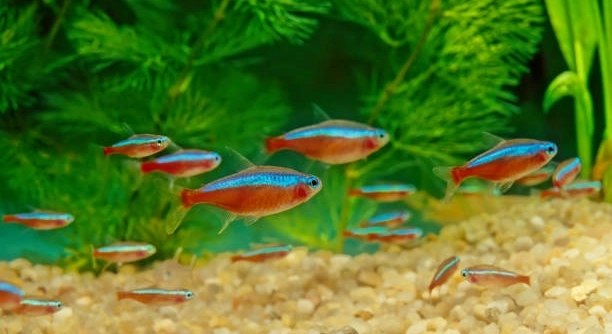
Tetras are small, colorful fish often kept in home aquariums. Many owners enjoy watching their lively movements and bright patterns. Understanding how these fish interact with their environment can enhance the experience of caring for them.
Tetras do show signs of play through their active swimming and exploration behaviors. They respond to changes in their environment and can engage with objects such as plants or floating toys, indicating a form of interactive activity that resembles play.
Exploring simple activities can help create a more stimulating environment for tetras, benefiting their overall well-being and keeping them engaged.
How Tetras Show Playful Behavior
Tetras display playful behavior mostly through their active swimming patterns and interactions with their surroundings. They often swim in groups, darting quickly from one spot to another, which appears like a game of chase. This movement is not only natural but also a sign of their well-being. Tetras explore plants, decorations, and even bubbles in their tank. Some owners notice their fish investigating floating objects or reacting to gentle taps on the glass. These activities stimulate their minds and help reduce stress. Providing a varied environment with plants and small objects encourages tetras to be more active. It is important to observe how your fish respond to new additions or changes. Their curiosity and movement can indicate how comfortable and engaged they feel. Keeping their environment interesting helps maintain their health and makes watching them more enjoyable.
Tetras’ activity levels can vary based on tank conditions and social environment. A lively tank encourages natural playful behaviors.
Regularly changing tank decorations or adding floating toys can keep tetras curious and active, promoting healthy behaviors and reducing boredom.
Fun Activities to Try with Your Tetras
Adding floating toys or small safe objects can encourage tetras to explore and interact. You can place lightweight ping pong balls or specially designed fish toys on the water surface. Tetras may swim around and underneath these objects, which mimics their natural tendency to investigate. Another activity is creating gentle water currents using a filter or bubbler to simulate a flowing river. This encourages tetras to swim actively and strengthens their muscles. Live plants or decorations with hiding spots also promote exploration and make the environment dynamic. Changing the layout occasionally keeps the tank interesting for them. Always ensure anything introduced is safe and non-toxic to fish. Watching how your tetras respond to new activities can help you understand their preferences and needs better. These simple additions can improve their quality of life and provide entertainment for you as well.
Signs Your Tetras Are Engaged
Tetras show engagement through active swimming, exploring new objects, and interacting with tank mates. When they chase bubbles or investigate floating items, it’s a clear sign they are stimulated and curious.
Engaged tetras often swim in groups, darting quickly around the tank. They respond to environmental changes like new plants or decorations by investigating these additions. If they hide or retreat, it might mean they are stressed or uncomfortable. Observing how often your tetras move and interact can help you determine their engagement levels. Healthy and curious fish tend to be more active and playful, which benefits their overall condition. A lack of activity may signal a need to improve tank conditions or add stimulating elements.
Social behavior is another sign. Tetras that swim closely and mimic each other’s movements are likely comfortable and engaged. When isolated or bored, they may become sluggish or less responsive, so keeping them in groups and providing mental stimulation is important.
Tips for Creating a Stimulating Environment
Using live plants helps create natural hiding spots and encourages exploration. Plants provide shelter and mimic their natural habitat, improving comfort and activity levels.
Adding varied decorations, like smooth stones or driftwood, offers places for tetras to explore and hide. Changing these elements occasionally keeps the tank interesting. Introducing gentle water currents with a bubbler or filter simulates river conditions and encourages active swimming. Floating objects, such as ping pong balls or lightweight toys, invite interaction and curiosity. Keep objects safe and non-toxic. Regularly observe your tetras to notice which additions they enjoy most. A stimulating environment supports their mental and physical health, making them more lively and less prone to stress. This simple effort can greatly enhance their quality of life.
Common Playful Behaviors in Tetras
Tetras often chase each other in short bursts, which looks like play. They also explore new objects and swim through plants with curiosity.
Another common behavior is following light reflections or bubbles, showing their interest in movement and change within the tank environment.
How to Introduce New Activities Safely
When adding toys or decorations, start with one new item at a time. Watch how your tetras react to avoid stress or fear. Introduce objects slowly to help them adjust. Remove anything causing distress immediately. This gradual approach ensures the fish stay comfortable while becoming more active and curious.
Benefits of Play for Tetras
Playful activities reduce stress and promote healthy movement. Active tetras are less likely to develop health issues related to inactivity or boredom.
When to Avoid Introducing New Objects
Avoid adding items if tetras seem stressed, sick, or if the tank environment is unstable. Stability is key to their well-being.
FAQ
Do tetras actually play like other pets?
Tetras do not play exactly like dogs or cats, but they do show behaviors that suggest curiosity and interaction. Their swimming patterns, chasing bubbles, and exploring objects are similar to play in other animals. This behavior helps keep them active and mentally stimulated.
What kinds of toys are safe for tetras?
Safe toys for tetras include lightweight floating objects like ping pong balls, small plastic rings made for aquariums, and smooth decorations without sharp edges. Avoid anything toxic or that can break into small pieces. Live plants are also excellent for stimulation.
How can I tell if my tetras are stressed by new objects?
Signs of stress include hiding excessively, staying still for long periods, or aggressive behavior toward other fish. If tetras avoid the new object or seem frightened, remove it and try a different approach later with smaller changes.
Can tetras get bored in an empty tank?
Yes, tetras can become bored if their tank lacks plants, decorations, or companions. Bored fish may swim less and lose interest in their environment. Adding enrichment like plants and toys can help keep them active and healthy.
Is it okay to keep tetras alone?
Tetras are schooling fish and usually do better in groups of at least six. Being alone can cause stress and reduce natural behaviors like chasing and exploring, which resemble play. A group provides social stimulation.
How often should I change the tank setup to keep tetras interested?
Changing the layout every few weeks or months is enough. Sudden or frequent changes can stress fish, so plan gradual rearrangements. Introduce new plants or toys slowly to keep their environment engaging without causing discomfort.
Can playing help improve my tetras’ health?
Yes, active swimming and exploration improve muscle tone and reduce stress, which supports immune function. Play-like behaviors help prevent lethargy and keep tetras mentally sharp.
Are there activities tetras dislike?
Strong water currents or sudden movements near the tank may frighten tetras. They prefer gentle currents and a calm environment. Loud noises or tapping the glass can also cause stress.
What should I avoid when trying to stimulate my tetras?
Avoid sharp or toxic objects, overcrowding the tank, and rapid changes in water conditions. Also, never introduce items that can harm the fish physically or chemically.
Can tetras interact with humans during play?
Tetras do not interact with humans like pets that respond to touch or voice, but they may recognize movement outside the tank and become curious. Some owners enjoy watching tetras respond to hand shadows or slow movements near the glass.
Are there signs that tetras are bored or unhappy?
Sluggish swimming, hiding excessively, and loss of appetite can indicate boredom or stress. Providing environmental enrichment usually improves these behaviors.
Does lighting affect tetras’ activity?
Yes, tetras are more active during daylight or when the tank is well lit. Consistent lighting schedules help maintain normal behavior patterns, including playful activity.
How can I create a natural environment for my tetras?
Using live plants, smooth rocks, and gentle water flow simulates their natural habitat. This environment encourages natural behaviors such as exploring, hiding, and schooling.
Should I feed my tetras differently to encourage activity?
Feeding a balanced diet with occasional live or frozen foods can boost energy levels and promote active behavior. Overfeeding should be avoided to prevent health issues.
Can tetras learn from interaction with their environment?
Tetras respond to changes and learn to explore new objects over time. While not intelligent like mammals, they show curiosity and adaptability in their surroundings.
What is the best tank size to support playful behavior in tetras?
A tank of at least 20 gallons provides enough space for swimming and exploration. Overcrowding limits movement and reduces chances for active behavior. Larger tanks support healthier, more natural activity.
Tetras are small fish that show signs of curiosity and activity, which can be seen as a form of play. They naturally swim in groups and explore their environment, which helps keep them healthy and engaged. Providing a suitable environment with plants, decorations, and occasional new objects can encourage these natural behaviors. When tetras have space and stimulation, they tend to be more active and lively, which benefits their overall well-being.
Creating a comfortable and interesting tank is important for tetras. Live plants, smooth rocks, and gentle water flow simulate their natural habitat and promote exploration. Adding safe toys or floating objects can also spark their curiosity. It is important to introduce new items slowly and watch for any signs of stress. A stable environment with gradual changes helps tetras adjust better and stay active. When tetras show interest in their surroundings, it indicates they are comfortable and engaged.
Overall, understanding the behaviors of tetras helps in providing them with a better quality of life. Active and curious fish are often healthier and less prone to stress-related problems. Taking time to observe and adjust their environment can make a positive difference. By offering simple activities and varied tank setups, you support their natural instincts and create a space where they can thrive. This makes keeping tetras not only easier but also more enjoyable to watch.

Hello,
If you enjoy the content that we create, please consider saying a "Thank You!" by leaving a tip.
Every little bit helps us continue crafting quality advice that supports the health, happiness, and well-being of pets around the world, for pets of all shapes, sizes, and species.
We really appreciate the kindness and support that you show us!