
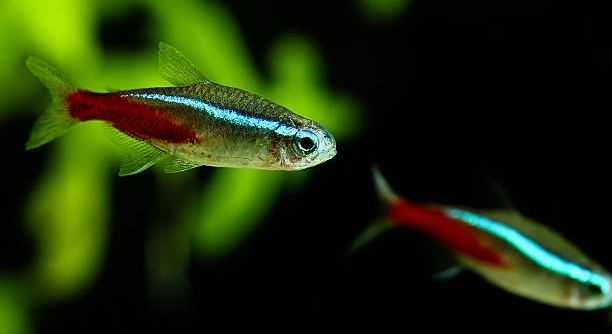
Tetras are popular aquarium fish known for their bright colors and lively behavior. Many owners enjoy watching how these fish react to changes in their environment, especially light. Sometimes, tetras may not respond as expected when the lighting shifts.
Tetras not responding to light changes often results from stress, poor water quality, or improper lighting conditions. These factors can dull their natural behavior and cause them to hide or stay inactive. Ensuring a stable environment is key to their responsiveness.
Understanding why your tetras behave this way will help improve their health and comfort. This article explains common causes and practical solutions to help your fish thrive.
Common Causes of Tetras Not Responding to Light Changes
Tetras may not react to light changes due to several environmental and health factors. One major reason is stress, which can come from sudden changes in water temperature or poor water quality. When the water conditions are not ideal, tetras tend to hide or stay still instead of swimming actively. Another factor is improper lighting itself—lights that are too bright or too dim can confuse the fish. Tetras naturally adapt to gradual light changes, so sudden shifts may cause them to freeze or seek shelter. Additionally, overcrowding in the tank limits their ability to move freely, affecting their natural response to light. Regular maintenance of the tank, including water tests and gradual light adjustments, helps keep tetras comfortable and responsive.
Poor water quality is often the most significant issue behind unusual tetra behavior. Frequent water changes and checking filtration can improve their activity.
Creating a stable environment with balanced lighting, clean water, and enough space allows tetras to behave normally. They need a routine that mimics their natural habitat to stay active and responsive to light changes.
Adjusting Lighting for Better Fish Response
Proper lighting should mimic natural daylight cycles. Tetras benefit from about 8 to 12 hours of light daily, followed by darkness. Consistency in timing helps them establish a natural rhythm. Using a timer can automate this process and prevent sudden changes. Avoid bright, direct lights that may stress them out, and choose softer, diffused lighting instead.
Gradual changes in light intensity support the fish’s natural adjustment process.
Introducing light slowly in the morning and dimming it gradually at night can make a big difference. Abrupt switches between light and dark may cause stress or confusion. Observing how your tetras react when you adjust the light helps you find the right balance. Natural-looking lighting also enhances their colors and overall well-being. If you notice your tetras hiding or staying motionless during light changes, consider adjusting the light schedule or intensity. This simple step can improve their comfort and encourage natural behavior in your aquarium.
Stress and Its Impact on Tetra Behavior
Stress affects tetras’ reactions to light and their overall activity. It often causes them to hide or remain still. Stress can come from overcrowding, sudden changes in the tank, or aggressive tank mates.
Stress triggers the release of hormones that suppress normal behavior. When tetras feel threatened, they conserve energy by hiding instead of swimming actively. Overcrowded tanks leave less space to escape or find comfortable spots, increasing stress levels. Additionally, sudden changes in temperature or water chemistry can shock the fish, making them less responsive to light. Monitoring tank conditions and avoiding rapid changes helps reduce stress and encourages natural behavior.
Keeping compatible fish together and maintaining a calm environment is essential. Providing plants or decorations can give tetras places to hide and feel safe, reducing stress. A stable routine with consistent lighting, feeding, and cleaning supports healthier fish that respond better to light changes.
Water Quality and Its Role in Fish Activity
Poor water quality directly affects tetra behavior and response to environmental changes. Ammonia, nitrite, and nitrate buildup can cause discomfort or illness, reducing activity levels. Regular water tests and changes are necessary to maintain safe conditions.
Even small fluctuations in pH or temperature stress tetras, making them less active and less likely to respond to light changes. Dirty water affects their gills and breathing, further decreasing movement. Clear, well-oxygenated water allows tetras to swim freely and stay alert. Proper filtration and regular cleaning of the tank are key to maintaining good water quality. Testing water weekly and performing partial water changes keeps harmful chemicals low, supporting your fish’s health and natural behavior. Consistent care improves their comfort and encourages normal reactions to light changes.
Tank Size and Space
Tetras need enough space to swim freely and feel comfortable. Small or overcrowded tanks can make them stressed and less responsive to light changes.
A larger tank with plenty of swimming room reduces stress and encourages natural behavior. Proper spacing is important for healthy, active fish.
Diet and Its Effects on Activity
A poor diet can lower energy levels in tetras, making them less active and less likely to respond to light changes. Feeding a balanced diet with quality flakes, pellets, and occasional live or frozen food helps keep them healthy and energetic. Proper nutrition supports their immune system and natural behavior.
Gradual Light Changes
Sudden changes in light can startle tetras. Gradually increasing or decreasing light intensity helps them adjust comfortably.
Signs of Illness Affecting Behavior
Illness often causes lethargy and poor response to stimuli like light. Watch for unusual swimming or loss of appetite.
Why are my tetras hiding when the lights come on?
Tetras often hide when the lights turn on because they feel vulnerable or stressed. Bright or sudden lighting can overwhelm them, especially if they are not used to it. Hiding is a natural defense to avoid perceived threats. To help, try using a dimmer light or gradually increasing brightness over time. Adding plants or decorations gives them safe spots to retreat to, which can reduce their stress and encourage them to swim more openly.
How long should aquarium lights be on for tetras?
Tetras do well with about 8 to 12 hours of light per day. This schedule mimics their natural environment and helps regulate their activity. Using a timer to keep lighting consistent is a good idea, as it prevents sudden changes that might confuse or stress the fish. Darkness is just as important as light because it gives them a resting period. Too much light can cause stress, while too little can affect their health and behavior.
Can improper water temperature affect tetra responses to light?
Yes, water temperature greatly affects tetra behavior. They thrive in temperatures between 72°F and 78°F (22°C to 26°C). If the water is too cold or too warm, tetras become sluggish or stressed, which can make them less responsive to light changes. Keeping the temperature stable with a good heater and thermometer helps maintain their normal activity levels and responsiveness.
Is tank overcrowding a reason tetras don’t respond to light?
Definitely. Overcrowded tanks increase stress levels in tetras, limiting their space and making them less likely to show natural behaviors like swimming actively or reacting to light. When too many fish share a small tank, it causes competition for food and shelter, raising aggression. Providing adequate space and a proper number of fish helps reduce stress and encourages healthy, responsive behavior.
How does diet impact my tetras’ activity and light response?
A balanced diet is essential for healthy energy levels in tetras. Feeding them quality flakes, pellets, and occasional live or frozen food gives them the nutrients they need to stay active and alert. Poor diet can lead to lethargy and dull behavior, making them less responsive to environmental changes like light. Consistent feeding routines also help maintain their natural rhythms.
What role does tank decoration play in tetra behavior?
Tank decorations like plants, rocks, and hiding spots help tetras feel secure. These elements reduce stress by providing shelter and mimic their natural habitat. When tetras have safe places to hide, they are less likely to freeze or hide excessively when the light changes. Decorations also encourage natural exploration and movement, which improves their responsiveness to environmental cues.
Can sudden light changes cause harm to tetras?
Sudden light changes can startle and stress tetras, leading to hiding or freezing behavior. Although not directly harmful in small doses, frequent abrupt lighting can cause long-term stress and weaken their immune system. It’s best to introduce light gradually, using timers or dimmers, to create a comfortable environment that promotes normal activity.
How can I tell if my tetras are stressed or sick?
Signs of stress or illness include hiding, lethargy, loss of appetite, faded colors, and unusual swimming patterns. If tetras stop responding to light or behave differently for several days, it may indicate a health problem. Testing water quality and checking for parasites or infections can help identify causes. Prompt action with water changes or treatment improves their chances of recovery.
Will changing the light spectrum help my tetras respond better?
Different light spectrums can influence fish behavior. Tetras often prefer softer, natural light rather than harsh, bright white or blue lights. Using full-spectrum or daylight bulbs that mimic natural sunlight may help them feel more comfortable and active. Experimenting with lighting type and intensity can improve their responsiveness without causing stress.
Should I adjust feeding times based on light changes?
Feeding tetras during or just before their active light period supports their natural rhythms. Consistent feeding times aligned with light cycles help regulate their metabolism and behavior. Feeding in the dark or during sudden light changes can confuse them and reduce appetite. Establishing a routine makes your tetras more predictable and responsive.
Understanding why your tetras are not responding to light changes helps improve their well-being. Several factors can affect how these small fish react to lighting, including stress, water quality, tank space, and diet. Each of these elements plays a role in how comfortable and active your tetras feel in their environment. When one or more of these conditions are not ideal, tetras tend to hide or stay still instead of swimming around or reacting to changes in light. By paying attention to their needs and making small adjustments, you can encourage healthier and more natural behavior.
Maintaining a stable and clean environment is key to keeping your tetras responsive. This means regularly testing the water to keep it free of harmful chemicals and ensuring the temperature stays within a comfortable range. Proper lighting is also important; it should be consistent and not too bright or sudden. Using a timer to simulate a natural day-night cycle helps tetras adjust and feel secure. Providing enough space in the tank and offering hiding spots with plants or decorations gives them places to feel safe. These steps reduce stress and encourage your tetras to act normally, including responding to light changes as they would in the wild.
Lastly, feeding your tetras a balanced diet helps keep them energetic and active. Healthy fish are more likely to swim around and respond to their surroundings. Watching your tetras and noting changes in their behavior can give clues about what they need. Sometimes small changes in lighting, water care, or tank setup can make a big difference in their health and happiness. By creating a stable and caring environment, you help your tetras thrive and enjoy their aquarium home, making it a pleasant experience for both you and your fish.

Hello,
If you enjoy the content that we create, please consider saying a "Thank You!" by leaving a tip.
Every little bit helps us continue crafting quality advice that supports the health, happiness, and well-being of pets around the world, for pets of all shapes, sizes, and species.
We really appreciate the kindness and support that you show us!