
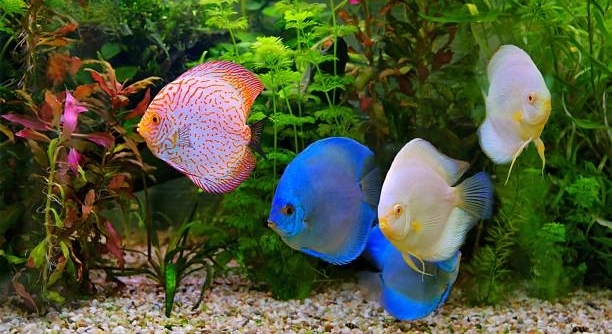
Keeping discus fish healthy and happy requires careful attention to their environment. Many enthusiasts enjoy these colorful fish but may overlook some important care rules. Following key guidelines can make a big difference in maintaining a thriving discus tank.
Strict adherence to discus tank rules is essential for the wellbeing of the fish. These rules include maintaining stable water conditions, proper feeding, regular cleaning, and avoiding overcrowding. Breaking these can cause stress, illness, or even death in discus fish.
Learning the most important rules will help you provide the best care for your discus. This article highlights seven key tank rules that should never be ignored to keep your fish safe and healthy.
Maintain Stable Water Temperature
Discus fish are very sensitive to changes in water temperature. They thrive best in a steady temperature between 82°F and 86°F. Sudden drops or spikes can cause stress and lead to illness. Using a reliable heater and thermometer is important to keep the temperature stable. Avoid placing the tank near windows or vents where temperature fluctuations can happen easily. Consistency helps discus fish stay healthy and active. Even small variations can affect their immune system and behavior. It’s best to check the water temperature daily to catch any changes early. Keeping the water warm but not too hot is key, as overheating can reduce oxygen levels. A stable environment also supports good breeding conditions if you plan to raise discus fish. Regular monitoring and adjustment will make a noticeable difference in your tank’s overall health.
Stable water temperature prevents stress and promotes discus health. Maintaining this between 82°F and 86°F is critical for their survival and comfort.
Proper temperature control is one of the easiest ways to reduce stress in discus fish. Fluctuations can cause them to hide or lose appetite. Using a heater with an accurate thermostat ensures the environment stays steady. Combining this with regular water testing supports a healthy tank ecosystem. Small adjustments made quickly can avoid long-term problems. This care routine also helps beneficial bacteria grow, improving water quality naturally.
Avoid Overfeeding Your Discus
Overfeeding discus can quickly lead to poor water quality and health issues. Unlike some fish, discus need a balanced diet but in controlled amounts. Feeding too much causes leftover food to decay, which pollutes the water and encourages harmful bacteria. It can also lead to obesity and digestive problems in your fish. Most discus do well with feeding two to three times a day, giving only what they can eat in a few minutes. Using high-quality food designed specifically for discus is important for their nutrition. Watch their behavior and appetite closely to adjust feeding amounts as needed. Over time, feeding less but more often can improve water clarity and fish health. Clean the tank regularly to remove any uneaten food to prevent buildup.
Keeping feeding portions small and consistent improves water quality and fish health. Less food means less waste and fewer risks to discus wellbeing.
Keep the Tank Clean
Regular cleaning is crucial to keep discus fish healthy. Removing waste and debris prevents harmful toxins from building up.
Cleaning should include partial water changes of about 25% weekly to maintain water quality. Use a gravel vacuum to remove leftover food and waste from the substrate without disturbing the beneficial bacteria. Clean the tank walls to prevent algae growth, but avoid using harsh chemicals that can harm fish. Filter maintenance is also important; rinse filter media in tank water during water changes to keep it functioning well without killing helpful bacteria. Keeping the tank clean helps prevent disease and supports a stable environment, which discus need to thrive.
A clean tank also means healthier fish with brighter colors and better activity levels. Neglecting cleaning can cause cloudy water and increased fish stress. Taking time each week for proper cleaning keeps your discus happy and reduces the chance of problems later on.
Avoid Overcrowding
Too many discus in one tank causes stress and poor water quality. Space is important for their health.
Discus need plenty of room to swim and establish territories. Overcrowding leads to aggression and weakens immune systems. A general rule is one discus per 10 gallons of water. Smaller tanks should have fewer fish to avoid overcrowding effects. Overcrowding increases waste, making water harder to maintain and raising the risk of disease outbreaks. Proper stocking levels ensure better oxygen levels and reduce competition for food and space.
Spacing your discus correctly helps keep the tank peaceful and balanced. It allows each fish to grow and reduces stress-related illnesses. Maintaining a good number of fish is one of the easiest ways to keep your tank stable and your discus healthy.
Use Proper Filtration
Good filtration keeps water clear and healthy for discus. It removes waste and toxins efficiently.
Choosing a filter designed for larger tanks is important since discus produce a lot of waste. Filters with biological, mechanical, and chemical media work best to maintain clean water and stable conditions.
Monitor Water Parameters Regularly
Regular testing of water parameters like pH, ammonia, nitrite, and nitrate is necessary. Discus prefer slightly acidic to neutral pH around 6.0 to 7.0. Keeping ammonia and nitrite at zero and nitrate low prevents stress and illness. Testing kits are affordable and easy to use, helping you catch problems early before they harm your fish. Consistent monitoring supports a stable environment that discus require for good health and vibrant colors.
Avoid Sudden Changes
Sudden changes in water or environment cause stress and illness in discus fish.
FAQ
How often should I change the water in my discus tank?
Water changes should be done regularly to keep the tank healthy. Generally, a 25% water change every week is ideal. This helps remove waste and toxins that build up over time. In heavily stocked tanks or if you notice water quality dropping, you might need to increase how often you change the water. Using clean, conditioned water that matches the tank’s temperature is important to avoid stressing your discus.
What is the best diet for discus fish?
Discus thrive on a varied diet. High-quality pellets or flakes made specifically for discus are a good base. Supplementing with frozen or live foods like bloodworms, brine shrimp, or beef heart helps provide essential nutrients. Avoid overfeeding to prevent water pollution. Feeding small amounts two to three times a day is usually enough. Watch your fish to adjust feeding as needed to keep them healthy and active.
Can discus fish live with other species?
Discus are peaceful but can be shy. They do best with other calm fish that thrive in similar water conditions. Good tank mates include tetras, corydoras catfish, and some dwarf cichlids. Avoid aggressive or fast-moving fish that might stress discus. Also, make sure the tank is large enough to accommodate all species comfortably. Proper research on compatibility is key to a harmonious community tank.
Why are my discus fish losing color?
Color loss can be a sign of stress, poor water quality, or illness. Check water parameters first to ensure they are stable and within the right range. Overcrowding, improper diet, and sudden temperature changes can also cause fading. Sometimes, discus lose color during breeding or resting periods. Improving tank conditions and providing a balanced diet usually helps restore vibrant colors.
How do I know if my discus fish is sick?
Common signs of illness include lethargy, loss of appetite, clamped fins, spots or lesions on the body, and unusual swimming behavior. Early detection is important. Quarantine new fish before adding them to the tank to prevent disease spread. Keeping the tank clean and monitoring water quality reduces health risks. If you notice symptoms, isolate the fish and seek advice for appropriate treatment.
Is it necessary to use a water conditioner?
Yes, using a water conditioner is important. It removes harmful chemicals like chlorine and chloramine found in tap water. These chemicals can be toxic to discus and beneficial bacteria. Conditioning water before adding it to the tank ensures a safer environment for your fish. Always follow the instructions on the product for correct usage.
How large should my discus tank be?
A minimum of 50 gallons is recommended for a small group of discus. They need space to swim and grow comfortably. Larger tanks are better, especially for multiple fish. This also helps maintain stable water conditions. Overcrowding increases stress and the risk of disease, so giving your discus plenty of room is essential.
Can discus fish breed in a home aquarium?
Yes, discus can breed in captivity, but they require stable water conditions and proper care. Providing a clean, quiet tank with flat surfaces for spawning helps encourage breeding. Parents will guard and care for the eggs and fry. Breeding discus can be rewarding but demands extra attention to water quality and diet to support both adults and young fish.
What temperature is best for discus fish?
Maintaining a water temperature between 82°F and 86°F is ideal for discus. They are tropical fish and prefer warmer water to stay active and healthy. Sudden temperature changes should be avoided to reduce stress. Using a reliable heater and monitoring with a thermometer helps keep the temperature consistent.
How can I reduce algae growth in my discus tank?
Algae growth can be controlled by limiting light exposure to about 8–10 hours a day. Avoid overfeeding, as excess nutrients feed algae. Regular cleaning and water changes reduce buildup. Adding algae-eating fish or snails compatible with discus can help keep algae under control naturally. Maintaining good filtration and balanced nutrients supports a clean, algae-free tank.
Final Thoughts
Caring for discus fish requires attention to many details, but following basic rules makes it much easier. Keeping water temperature stable, feeding the right amount, and maintaining good water quality are the foundation of healthy discus care. These steps prevent many common problems and help your fish stay active and vibrant. Even small mistakes can lead to stress or illness, so staying consistent with your tank routine is important. Over time, these efforts pay off with stronger, more colorful fish that are a joy to watch.
It is also important to remember that discus are sensitive fish that need a calm environment. Avoid overcrowding the tank and provide proper filtration to keep water clean and safe. Regularly testing water parameters helps catch any changes before they cause harm. Taking time to clean the tank and monitor fish behavior will keep you aware of their health. Watching for signs of illness and acting quickly if needed will save your discus from serious issues. Providing a balanced diet with high-quality food supports their growth and immune system.
Every discus keeper will face challenges, but patience and care make a difference. Learning from experience helps improve how you care for these fish over time. By following the key rules and paying close attention to their needs, you create a healthy environment where discus can thrive. This care not only benefits the fish but also makes keeping them more enjoyable. Consistent effort and a gentle approach lead to a rewarding experience with discus fish.

Hello,
If you enjoy the content that we create, please consider saying a "Thank You!" by leaving a tip.
Every little bit helps us continue crafting quality advice that supports the health, happiness, and well-being of pets around the world, for pets of all shapes, sizes, and species.
We really appreciate the kindness and support that you show us!