
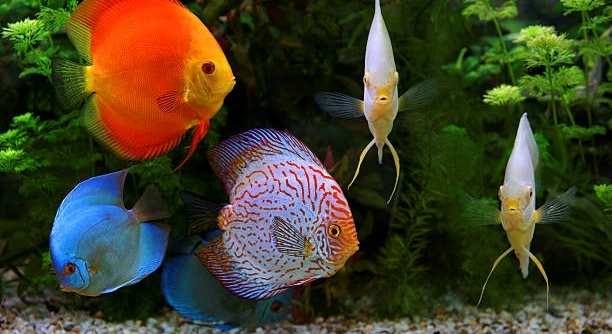
Discus fish are known for their vibrant colors and peaceful nature, but sometimes they suddenly stop eating. This change can worry many aquarium enthusiasts who care deeply about their health and well-being. Understanding the reasons behind this behavior is important.
Discus fish may stop eating due to stress, poor water quality, illness, changes in diet, or environmental factors. Identifying the cause promptly allows for targeted solutions that help restore their appetite and maintain their overall health.
Knowing the common causes and fixes can help you support your discus fish effectively. This article offers practical tips to address sudden appetite loss and keep your fish thriving.
Stress and Its Impact on Discus Appetite
Stress is one of the main reasons discus fish may stop eating suddenly. Changes in their environment, such as moving tanks, new tank mates, or loud noises, can create stress. Even sudden changes in water temperature or quality can cause discomfort. Stress affects their immune system and behavior, making them less likely to eat. It’s important to maintain a stable environment with consistent conditions. Reducing sudden changes and keeping a calm atmosphere helps discus feel safe and secure. Regular monitoring of water parameters like temperature, pH, and ammonia levels is essential. Keeping their tank clean and avoiding overcrowding also reduces stress. Taking these steps can prevent loss of appetite and promote better health overall.
Monitoring water quality closely can help catch issues early before stress affects your fish.
Keeping stress low ensures your discus remain active and interested in food. Avoiding disruptions supports their natural feeding habits and well-being.
Water Quality and Its Effects on Feeding
Poor water quality directly influences discus health and appetite. Dirty or imbalanced water can irritate fish, making them stop eating. Proper filtration and regular water changes are essential to maintain a healthy tank. Testing water parameters frequently helps identify harmful conditions. Removing waste and uneaten food prevents toxins from building up. High ammonia, nitrite, or nitrate levels cause discomfort and disease. Clear, clean water supports digestion and activity. Many feeding problems resolve once water quality improves. A well-maintained tank environment encourages discus to eat regularly and thrive. Consistent care of water conditions is key to avoiding feeding issues related to poor water quality.
Illness and Its Role in Appetite Loss
Illness can cause discus to suddenly stop eating. Common diseases include bacterial infections, parasites, and fungal growths. These conditions weaken the fish and reduce their desire to eat.
Identifying signs like lethargy, color fading, or unusual spots is important. If illness is suspected, isolating the affected fish can prevent spreading. Treatment often involves medication specific to the disease. Consulting a vet or experienced aquarist helps ensure proper care. Early diagnosis improves recovery chances and helps restore normal eating habits.
Maintaining a clean tank and quarantining new fish reduces illness risks. Healthy fish are more likely to maintain a steady appetite, so prevention is key.
Diet Changes and Feeding Habits
Sudden changes in diet can confuse discus and make them refuse food. They may not recognize new food or dislike the texture and taste. Gradual introduction of new foods helps them adjust better.
A varied diet is important for discus health. Include high-quality flakes, pellets, frozen, and live foods to meet nutritional needs. Overfeeding or feeding low-quality food may cause digestive problems, further reducing appetite. Observing how your fish respond to different foods allows you to find what they prefer. Consistency in feeding routines also supports healthy eating patterns.
Providing a balanced diet tailored to your discus encourages better feeding habits. Monitoring and adjusting feeding practices can prevent sudden appetite loss related to diet changes.
Temperature Fluctuations
Discus fish are sensitive to sudden changes in water temperature. Rapid drops or rises can stress them, causing a loss of appetite. Keeping the temperature stable is crucial for their comfort and feeding behavior.
A reliable heater and regular monitoring help maintain consistent temperatures. Avoid placing tanks near windows or vents where temperature swings occur frequently.
Tank Mates and Aggression
Aggressive or overly active tank mates can intimidate discus fish. This stress often results in reduced feeding as discus try to avoid conflict. Choosing peaceful companions is essential to promote a calm environment.
Ensuring enough space and hiding spots helps discus feel secure. This reduces stress-related appetite loss and encourages natural behavior.
Feeding Schedule Consistency
Maintaining a regular feeding schedule helps discus establish a routine. Irregular feeding times can confuse or stress the fish, leading to reduced interest in food. Consistency supports their digestive health and overall well-being.
Overfeeding
Overfeeding can cause digestive issues and water quality problems. Both negatively affect discus appetite and health. Moderation is key for a healthy feeding regimen.
FAQ
Why has my discus suddenly stopped eating?
Discus may stop eating due to stress, illness, poor water quality, diet changes, temperature shifts, or aggressive tank mates. Identifying the exact cause quickly helps address the problem and restore their appetite. Monitoring tank conditions and fish behavior closely is important to catch issues early.
How can I reduce stress in my discus tank?
Keep the environment stable by avoiding sudden changes in temperature or water quality. Provide enough space, hiding spots, and peaceful tank mates. Limit loud noises and sudden movements around the tank. Regular maintenance and water testing also help keep stress levels low.
What signs indicate illness in discus fish?
Common signs include lethargy, loss of color, clamped fins, spots, ulcers, or abnormal swimming. Illness can cause appetite loss. Quarantine sick fish and consult a vet or expert for diagnosis and treatment to improve recovery chances.
How often should I test water quality?
Test water parameters like ammonia, nitrite, nitrate, pH, and temperature at least once a week. Frequent testing helps catch imbalances early. Consistent water quality supports discus health and appetite, preventing many feeding problems.
What is the best diet for discus fish?
A varied diet including high-quality flakes, pellets, frozen, and live foods is ideal. Avoid sudden changes in food type or brand. Feeding small amounts multiple times daily promotes healthy digestion and reduces the risk of appetite loss.
Can temperature changes cause discus to stop eating?
Yes, discus are sensitive to temperature fluctuations. Sudden shifts can stress them and affect feeding. Maintain stable water temperatures within their preferred range, usually 82–86°F (28–30°C), using a reliable heater and thermometer.
How do tank mates affect discus feeding?
Aggressive or overly active tank mates can intimidate discus, causing stress and reduced appetite. Choose peaceful species and provide enough space and hiding places. A calm tank environment encourages regular feeding and reduces stress.
What should I do if my discus won’t eat after moving tanks?
Give them time to acclimate while keeping water conditions stable. Minimize disturbances and avoid introducing new tank mates immediately. Offering familiar foods and maintaining a routine can help them regain appetite more quickly.
Is overfeeding a cause of sudden appetite loss?
Overfeeding can lead to digestive problems and poor water quality, both of which can reduce appetite. Feed discus small amounts twice daily, removing uneaten food promptly. Moderation keeps them healthy and interested in eating.
When should I use medication for a non-eating discus?
If illness signs appear or appetite loss lasts several days, consider treatment. Use medication specific to the diagnosed condition, and isolate sick fish to prevent spreading. Always follow dosage instructions carefully and consult experts when unsure.
Final thoughts on caring for discus fish that suddenly stop eating focus on understanding the many factors that can affect their appetite. Discus are delicate creatures, and their feeding habits can change quickly due to stress, illness, or environmental changes. Recognizing these changes early is important to address the problem before it worsens. Maintaining stable water quality, temperature, and a calm tank environment reduces stress and helps discus feel secure. Regular monitoring and care are essential to keep your fish healthy and eating well.
It is also important to pay attention to diet and feeding routines. Offering a balanced and varied diet helps meet the nutritional needs of discus fish. Sudden changes in food type or quantity can cause them to refuse eating, so introducing new foods gradually is best. Overfeeding can also create problems by harming water quality and causing digestive issues. Feeding small amounts twice a day and removing leftover food helps keep the tank clean and supports the health of your fish. Being consistent with feeding times encourages natural eating behavior and helps discus stay interested in their food.
Finally, if you notice signs of illness or behavior that suggests stress, it is wise to act quickly. Quarantining sick fish, improving tank conditions, and seeking advice from professionals can make a big difference. Illnesses often require treatment, and early care can improve recovery chances. Keeping your discus in a peaceful environment with proper care gives them the best chance to regain their appetite and thrive. Overall, patient observation, regular maintenance, and attention to detail are key to preventing and solving sudden feeding problems in discus fish.

Hello,
If you enjoy the content that we create, please consider saying a "Thank You!" by leaving a tip.
Every little bit helps us continue crafting quality advice that supports the health, happiness, and well-being of pets around the world, for pets of all shapes, sizes, and species.
We really appreciate the kindness and support that you show us!