
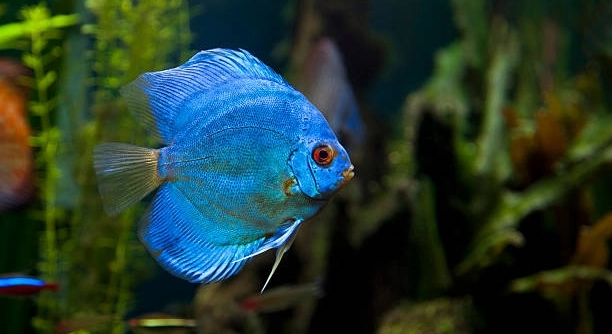
Creating a peaceful discus group can sometimes feel challenging, especially when different fish show signs of stress or aggression. Many aquarists want to maintain harmony but aren’t sure where to start or what to focus on. This article aims to help with practical steps for a calm environment.
Maintaining a peaceful discus group involves careful attention to tank conditions, balanced feeding, consistent water quality, and managing fish interactions to reduce stress and aggression. These factors work together to create a stable, harmonious habitat for discus fish.
Simple adjustments and mindful care can make a big difference in keeping discus fish calm and healthy. Following these steps will improve your tank’s atmosphere and help your fish thrive.
Provide Adequate Space and Hiding Spots
Discus fish need plenty of room to swim freely and areas where they can retreat if feeling stressed. Overcrowding can increase tension and lead to aggression. A tank size of at least 50 gallons is recommended for a small group. Adding plants, driftwood, and decorations creates natural hiding spots that reduce stress by allowing fish to avoid direct confrontation. These shelters help timid discus feel safer and more confident, which lowers conflict. When setting up your tank, arrange decorations so no area is too open or exposed. Balanced space and hiding places create a comfortable environment for all fish, encouraging peaceful interactions.
Giving your discus enough space and hiding spots lets them settle into their territory without feeling threatened. This simple setup step helps reduce fights and improves overall tank harmony.
Regularly check your tank’s layout and adjust hiding spots if you notice fish avoiding certain areas or signs of bullying. Small changes in decoration placement can help stressed fish feel safer, which improves group peace. It also helps prevent dominant fish from taking over too much territory.
Maintain Stable Water Quality
Discus are very sensitive to changes in their environment, so keeping water stable is key. Sudden shifts in temperature, pH, or ammonia levels cause stress, which can increase aggression. Regular water testing and partial changes keep conditions safe. A clean tank with good filtration supports healthy fish and limits harmful bacteria buildup. Stable parameters create a calm atmosphere where discus can focus on feeding and socializing instead of coping with discomfort.
Consistent water quality is crucial for peaceful discus groups.
To maintain stable water, test parameters weekly, especially temperature, pH, ammonia, nitrite, and nitrate levels. Keep the temperature between 82-86°F and pH around 6.0-7.0, depending on your fish’s preferences. Regular partial water changes of 25-30% every week help remove toxins and replenish minerals. Avoid sudden adjustments, as discus do not tolerate rapid changes well. Using a reliable filtration system ensures waste is processed efficiently. Monitoring these factors reduces stress and prevents aggression linked to environmental discomfort. Keeping water stable lets your discus focus on social balance rather than survival.
Feed a Balanced Diet
Feeding discus the right food helps keep them healthy and less aggressive. Avoid overfeeding, which can cause water quality issues and stress.
A balanced diet with high-quality pellets, frozen or live foods like bloodworms and brine shrimp provides essential nutrients. Feeding small amounts two to three times daily encourages regular eating habits without overcrowding the tank during feeding time. Uneaten food should be removed to prevent water contamination. Proper nutrition supports discus immune systems and reduces competition for food, helping maintain peace.
Feeding routines also play a role in social harmony. When discus are well-fed, they are less likely to compete aggressively. Consistent feeding times create a predictable environment that lowers stress. Mixing diet variety with stable schedules benefits both fish health and group dynamics.
Monitor Fish Behavior Regularly
Observing your discus daily lets you spot signs of stress or aggression early. This helps you take action before problems escalate.
Watch for chasing, nipping, or hiding, which can indicate bullying or discomfort. Some discus may dominate territory, so notice if any fish is being excluded from feeding or resting areas. If aggression increases, consider rearranging tank decorations or temporarily separating aggressive fish to prevent injury. Regular checks help maintain a peaceful group by addressing small issues promptly.
Consistent monitoring also allows you to notice if new fish introductions cause tension. Keeping an eye on behavior ensures a calmer tank overall. Acting quickly when problems arise protects fish health and fosters a better environment for everyone.
Keep Tank Lighting Moderate
Bright lighting can stress discus and increase aggression. Use moderate lighting to create a calm environment.
Dimmer lights mimic their natural habitat and help reduce overstimulation. Adjust lighting duration to about 8–10 hours daily for balance.
Introduce New Fish Slowly
Adding new discus too quickly can disrupt the group’s peace. Quarantine new arrivals to check their health first.
Introduce new fish gradually and watch how the group reacts. Slowly acclimate them to reduce stress and aggression, allowing the group to adjust naturally.
Maintain Consistent Temperature
Discus thrive best in stable temperatures between 82°F and 86°F. Sudden changes can cause stress and fighting.
Keep the heater reliable and check temperature daily. Consistency helps fish feel secure and supports peaceful behavior.
How many discus should I keep in one tank?
Keeping at least five discus is recommended to encourage natural schooling behavior and reduce aggression. A small group helps distribute any dominance issues across several fish rather than one or two. However, overcrowding can lead to stress, so ensure your tank size is large enough—typically 50 gallons or more for a small group. Maintaining the right number of discus keeps social dynamics balanced and the group peaceful.
What size tank is best for discus groups?
A tank of 50 gallons or larger is ideal for a small group of discus. This size provides enough swimming space and room for hiding spots. Larger tanks reduce territorial disputes by giving each fish its own space. Good filtration and stable water parameters are easier to maintain in a bigger tank, contributing to a peaceful environment.
How often should I change the water?
Regular water changes of 25-30% once a week are recommended to maintain water quality. Discus are sensitive to toxins like ammonia and nitrate, which can build up quickly. Consistent partial water changes help remove these toxins and replenish essential minerals. This supports healthy fish and reduces stress-related aggression.
What should I feed discus to keep them peaceful?
A varied diet of high-quality pellets, frozen bloodworms, brine shrimp, and occasional live foods works best. Feeding small amounts multiple times a day encourages regular eating habits without overfeeding. Well-fed discus are less likely to compete aggressively for food, which helps maintain peace in the tank.
How do I handle aggressive discus?
First, identify if aggression is due to overcrowding, lack of hiding spots, or poor water quality. Try rearranging tank decorations to break up territories and add more hiding places. If aggression persists, temporarily separate the aggressive fish to prevent injury. Always monitor fish behavior closely and act quickly to reduce stress and prevent bullying.
Can lighting affect discus behavior?
Yes, bright or fluctuating lighting can stress discus and lead to increased aggression. Using moderate, consistent lighting mimics their natural environment and creates a calm atmosphere. Aim for about 8 to 10 hours of light daily. Dimming lights during feeding or resting periods helps reduce overstimulation.
How do I introduce new discus to an existing group?
New discus should be quarantined for at least two weeks to check for diseases. Introduce them slowly by placing them in a separate tank or a breeder box inside the main tank to allow visual contact without physical interaction. Gradually acclimate them to the water conditions and the group’s behavior. This slow introduction reduces stress and aggression, helping the group adjust smoothly.
What water parameters are best for discus?
Maintain water temperature between 82°F and 86°F, pH between 6.0 and 7.0, and very low ammonia and nitrite levels (close to zero). Nitrate should be kept below 20 ppm. Stable water quality with minimal fluctuations is crucial. Frequent testing and adjustments ensure a healthy, stress-free environment that promotes peace among discus.
How can I tell if my discus are stressed?
Signs of stress include hiding frequently, loss of appetite, rapid breathing, faded colors, and increased aggression. Stressed fish may also swim erratically or isolate themselves. Early detection allows you to adjust tank conditions, improve water quality, or reduce bullying before problems worsen.
Is it necessary to have plants in a discus tank?
Plants provide hiding spots and help improve water quality by absorbing nitrates. They create a more natural and calming environment for discus. However, choose hardy, low-maintenance plants that can thrive in warmer water, such as Java fern or Anubias. Plants help break up territories, reducing aggression and creating a peaceful tank atmosphere.
How often should I clean the tank?
Regular cleaning is essential but avoid disturbing the tank too much at once. Clean the substrate gently during water changes and rinse filter media in tank water to preserve beneficial bacteria. Overcleaning or drastic changes can upset water balance and stress discus. Consistent, gentle maintenance keeps the tank healthy and peaceful.
What are common causes of discus aggression?
Aggression often arises from overcrowding, poor water quality, lack of hiding spaces, or feeding competition. Territorial behavior is natural but can become a problem without enough space or proper environment. Identifying and addressing these causes early helps maintain peace in the group.
Can discus live peacefully with other fish?
Discus can coexist with peaceful, slow-moving fish like tetras or Corydoras catfish. Avoid aggressive or very active species that might stress discus. Compatibility depends on tank size, environment, and individual fish temperaments. Keeping the discus group stable and stress-free should be a priority.
What should I do if one discus is sick?
Isolate the sick fish in a quarantine tank to prevent spreading disease. Check water parameters and improve cleanliness. Use appropriate treatments as recommended for the illness. Early intervention helps protect the group and maintains tank harmony. Always observe closely for signs of recovery or worsening condition.
How important is water filtration for discus?
Effective filtration removes waste and toxins, helping maintain stable water quality. Discus need clean, well-oxygenated water to stay healthy and calm. Choose a filter that provides gentle water flow since discus prefer calm conditions. Regular filter maintenance ensures consistent performance and supports a peaceful environment.
Creating a peaceful discus group takes careful attention and patience. It involves maintaining good water quality, providing enough space, and feeding your fish a balanced diet. Each factor plays an important role in helping discus feel comfortable and secure. When the environment is stable and clean, discus are less stressed and less likely to act aggressively toward each other. Simple steps like regular water changes and monitoring behavior can make a big difference in keeping peace.
Hiding spots and moderate lighting also help discus stay calm. These fish naturally prefer places where they can retreat if needed. Adding plants and decorations gives them safe spaces to rest and avoid conflict. Keeping lighting gentle rather than too bright reduces stress and supports natural behavior. It is important to watch how your discus respond to their surroundings and adjust the setup when needed. Small changes in tank layout or lighting can improve the overall mood in the tank.
Finally, patience is key when managing a discus group. Some fish may take time to adjust to tankmates or new conditions. Introducing new discus slowly and monitoring for signs of stress helps prevent problems before they start. Consistent care and attention to details like temperature and feeding schedules help discus thrive together. A peaceful discus group is possible when their needs are met thoughtfully and carefully over time.

Hello,
If you enjoy the content that we create, please consider saying a "Thank You!" by leaving a tip.
Every little bit helps us continue crafting quality advice that supports the health, happiness, and well-being of pets around the world, for pets of all shapes, sizes, and species.
We really appreciate the kindness and support that you show us!