
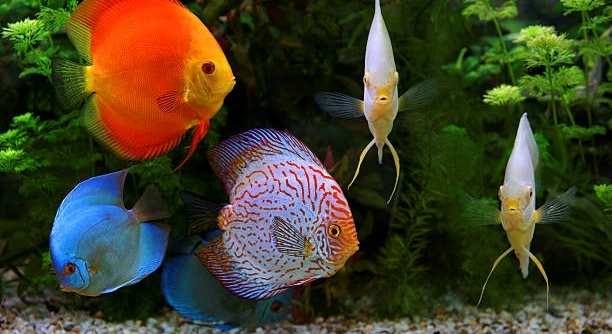
Discus fish are popular among aquarium enthusiasts for their bright colors and calm behavior. Many keepers notice interactions within groups and wonder if these fish organize themselves in a social hierarchy. Understanding their social behavior can improve care and tank harmony.
Discus fish do form social ranks within their groups. These ranks are established through behaviors like displays, chasing, and access to preferred spots. Dominant individuals often assert control over territory, influencing group dynamics and feeding order.
Exploring these social patterns offers valuable insights into discus care and helps create a balanced environment in community tanks.
How Discus Establish Social Ranks
Discus fish establish social ranks through clear behavior signals. Dominant discus often show vibrant colors and maintain a more upright posture. They may chase or nudge other fish to assert control. This behavior helps set boundaries and maintain order within the group. Subordinate fish tend to avoid conflict and stay in less favored areas of the tank. Over time, these interactions create a stable hierarchy, reducing constant fighting. Understanding these signs can help aquarists identify who is in charge and monitor group dynamics. Sometimes, changes in rank happen when a dominant fish weakens or a new fish is introduced. Social ranking affects feeding as well, with dominant discus usually eating first. Recognizing these patterns helps in providing a balanced environment where all fish can thrive.
This hierarchy is natural and helps discus fish avoid ongoing stress. It also supports peaceful coexistence.
Learning to observe these behaviors will help keep discus groups calm and healthy.
Signs of Dominance in Discus Fish
Dominant discus often control key spaces in the tank.
These fish display brighter colors and swim confidently. They may chase others lightly, marking their spot. Dominance also affects feeding priority, where dominant fish eat before others. Observing these behaviors can help identify social ranks. It is important to provide enough space and hiding places to reduce stress for less dominant fish. In crowded or small tanks, conflicts may increase. Careful monitoring ensures the group remains balanced and peaceful. Maintaining good water quality and a proper diet supports all discus fish regardless of rank. Understanding dominance signs aids in better tank management and improves overall fish wellbeing.
Effects of Social Ranks on Feeding Behavior
Dominant discus fish eat first, often claiming the best food spots. Subordinate fish wait or eat less desirable scraps.
This feeding order reflects the established hierarchy. Dominant individuals may actively chase others away during feeding times. This behavior ensures they get adequate nutrition but can cause stress for lower-ranked fish. Over time, subordinate fish may become hesitant or lose appetite if they consistently miss out on food. Careful feeding techniques, such as spreading food across the tank, help reduce competition. Providing multiple feeding points allows all discus to access food more easily, maintaining group health and reducing tension.
Monitoring feeding behavior is important to catch signs of stress or imbalance in the group. Adjusting feeding routines can help support all fish regardless of their rank.
Impact of Tank Size and Environment on Social Dynamics
Tank size greatly influences discus social behavior. Smaller tanks limit space, increasing territorial disputes and stress among fish. Larger tanks allow more room for territories and hiding spots, which helps reduce conflicts. Environmental enrichment, such as plants and decorations, creates natural barriers and resting places for less dominant fish. This can ease tensions and promote a stable hierarchy. Poorly maintained environments may worsen aggression, as fish feel insecure or crowded. Regular water changes and balanced conditions support calmer interactions. Understanding how the physical setup affects discus social ranks helps in designing a tank that supports peaceful coexistence and healthy group behavior.
Recognizing Stress from Social Hierarchy
Signs of stress in discus often come from their social ranks. Subordinate fish may hide more or show duller colors. These behaviors indicate discomfort or fear caused by dominant fish.
It is important to watch for these changes. Stress can lead to illness and poor growth if left unchecked. Adjusting tank conditions or rearranging the group can help ease tension and promote healthier interactions among discus.
Managing Aggression in Discus Groups
Aggression can escalate when social ranks are unclear or the tank is overcrowded. Separating aggressive individuals or increasing tank size helps reduce conflicts. Providing plenty of hiding spots and visual barriers gives shy fish places to retreat. Feeding multiple times a day at different locations also lowers competition. Monitoring behavior closely allows quick intervention when aggression spikes. Keeping stress low benefits the entire group’s health and balance.
The Role of Color in Social Interaction
Color intensity often signals rank in discus fish. Brighter, more vibrant discus usually hold dominant positions and show confidence in the group.
Adjusting Group Sizes for Balance
Keeping an appropriate number of discus fish reduces stress and helps maintain a stable social hierarchy.
How do discus fish show social ranks?
Discus fish use body language and behavior to show their social ranks. Dominant fish display brighter colors and swim more confidently. They often chase or nudge other fish to assert control. Subordinate discus usually stay in quieter, less crowded areas and avoid direct confrontations. These behaviors help form a clear hierarchy within the group, reducing fights and stress.
Can social ranks change over time?
Yes, social ranks in discus groups are not fixed. If a dominant fish becomes weak or ill, another fish may take its place. Introducing new discus can also disrupt the current hierarchy until a new order is established. Observing your fish over time helps to notice these shifts. Providing stable conditions supports smoother transitions.
Does tank size affect social behavior in discus?
Tank size has a big impact on discus social behavior. Small tanks limit space and increase conflicts as fish compete for territory. Larger tanks allow fish to establish separate areas and avoid constant confrontations. Adding plants and decorations gives fish hiding spots, reducing stress and aggression.
How can I reduce aggression caused by social ranks?
Reducing aggression starts with tank setup. Provide enough space, hiding spots, and multiple feeding areas to lower competition. Feeding several times a day at different locations spreads out food access. Removing or isolating overly aggressive individuals prevents bullying. Regularly monitoring your fish’s behavior helps catch problems early.
Why do dominant discus eat first?
Dominant discus claim feeding spots and eat first as part of their rank. This behavior ensures they get enough food to stay strong and maintain control. Subordinate fish wait or eat leftover scraps. To prevent stress or malnutrition in lower-ranked fish, spread food widely or feed in multiple places.
How can I tell if my discus are stressed due to social ranks?
Signs of stress include hiding, dull colors, loss of appetite, or sluggishness. Subordinate fish often show these signs if they are pushed around by dominant ones. Watch for changes in behavior or appearance and take steps to improve the tank environment if needed.
Do discus fish need to be kept in groups?
Discus are social fish that do best in groups. Their social ranks and interactions help them feel secure. Keeping at least five or six discus allows for a natural hierarchy and reduces aggression toward any one fish. Smaller groups may lead to more bullying and stress.
What is the ideal group size for discus?
A group of six to eight discus is ideal for maintaining a stable social structure. This number provides enough fish to spread out interactions and establish ranks without overcrowding. Overcrowding causes stress and aggression, while too few fish can increase tension.
How important is water quality for discus social behavior?
Water quality greatly affects discus social interactions. Poor conditions cause stress, making fish more aggressive or withdrawn. Stable, clean water helps discus feel comfortable and maintain peaceful social ranks. Regular water changes and proper filtration are essential for group health.
Can rearranging tank decorations affect social ranks?
Yes, rearranging plants or decorations can disrupt territorial boundaries. This may lead to temporary increases in aggression as fish re-establish their ranks and preferred areas. Thoughtful changes can reduce bullying by breaking up line-of-sight or creating new hiding places, improving group dynamics overall.
Understanding the social behavior of discus fish helps create a better environment for them to thrive. These fish naturally form social ranks through their actions and body language. Dominant discus often display brighter colors and assert control over territory and feeding. Subordinate fish tend to avoid conflict and stay in less favored spots. This hierarchy is important because it reduces constant fighting and stress within the group. Knowing how these ranks work can help aquarists manage their tanks more effectively, ensuring all fish have access to food and space.
The environment plays a key role in shaping discus social behavior. Tank size, decorations, and hiding places influence how comfortably discus can establish their ranks. Smaller tanks can cause more disputes and stress due to limited space. On the other hand, larger tanks with plenty of plants and structures give fish room to claim territories and escape if needed. Proper water quality and feeding practices also support peaceful interactions. Multiple feeding points and regular water changes help maintain balance among all fish, reducing tension and aggression.
Monitoring discus behavior closely is essential for maintaining a healthy group. Signs of stress, like dull colors or hiding, may indicate problems with social ranks or tank conditions. Changes in the group, such as new fish introductions or illness, can disrupt the established hierarchy and increase conflict. Being aware of these factors allows timely adjustments to improve tank harmony. Overall, understanding discus social ranks and meeting their environmental needs promotes a calm, balanced community where each fish can flourish.

Hello,
If you enjoy the content that we create, please consider saying a "Thank You!" by leaving a tip.
Every little bit helps us continue crafting quality advice that supports the health, happiness, and well-being of pets around the world, for pets of all shapes, sizes, and species.
We really appreciate the kindness and support that you show us!