
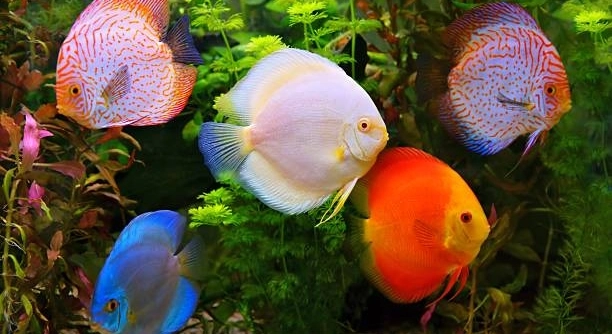
Are your discus fry growing quickly but you’re unsure if feeding them daily is the right approach? Many discus keepers wonder how often to feed their young fish for optimal health and growth. Feeding schedules can impact fry development significantly.
Feeding discus fry daily can be beneficial but risks overfeeding, which may lead to poor water quality and health problems. A balanced approach, monitoring fry response and tank conditions, is essential to support healthy growth without causing stress.
Understanding the right feeding frequency can improve your fry’s survival and growth rates. This article explores practical feeding strategies to help you care for your discus fry effectively.
Understanding the Nutritional Needs of Discus Fry
Discus fry have specific nutritional needs that change as they grow. In the first few weeks, they rely mostly on their yolk sac for nutrients. After that, they need small, frequent meals of protein-rich foods like infusoria, baby brine shrimp, or specially prepared fry food. These foods support their rapid development and help build strong immune systems. Overfeeding can cause uneaten food to decay, harming water quality and stressing the fry. Feeding too little slows growth and weakens their health. Watching how the fry respond after each feeding helps determine the right amount. It’s important to maintain a clean tank and good filtration to manage water conditions during frequent feeding. Adjusting the feeding schedule as fry grow ensures they receive enough nutrients without overloading the tank with waste.
Regularly observe the fry and adjust feeding amounts based on their activity and growth rate to keep them healthy.
Balancing feeding quantity with water quality is crucial. A well-fed fry that lives in poor water conditions is unlikely to thrive. Monitoring water parameters such as ammonia and nitrate levels helps prevent stress and disease. Feeding in small portions multiple times a day reduces the risk of leftover food fouling the water. This approach supports steady growth and keeps the tank environment stable. Remember, discus fry are delicate, and careful attention to both feeding and tank maintenance is needed for success.
Signs of Overfeeding and Underfeeding
Overfeeding can cause uneaten food to accumulate, clouding the water and increasing harmful ammonia levels. This stresses the fry and can lead to disease. Underfeeding slows growth and weakens immunity, making fry vulnerable to illness.
It is important to recognize behavioral and physical signs in your discus fry. Overfed fry may appear bloated or have swollen bellies, while underfed fry tend to be lethargic and thin. Watching their activity level and physical condition daily helps prevent problems before they worsen. Proper feeding is about quality, quantity, and timing.
When feeding daily, keep portions small and spread out. Use high-quality foods suitable for fry and remove leftovers promptly. Regular water changes and tank cleaning support healthy development. Adjust feeding as the fry mature, gradually reducing frequency but increasing portion size. This method keeps your discus fry healthy, growing steadily, and ready for the next stage of care.
Adjusting Feeding Frequency as Fry Grow
Feeding frequency should decrease as discus fry mature. Daily feedings are necessary only in the early stages when fry require constant nutrients. As they grow, feeding two or three times a day is usually enough to maintain steady development.
Reducing feeding frequency helps prevent water quality issues that can arise from excess food. Larger fry can handle bigger meals spaced out through the day, which reduces waste buildup. This adjustment also encourages natural feeding behavior, preparing them for adult diets. Monitoring their growth and energy will guide when to change the schedule.
It’s important to gradually reduce feeding sessions rather than stopping abruptly. A sudden drop may stress the fry or slow their growth. Consistent observation ensures the feeding routine fits their changing needs. Regular water testing and tank maintenance remain vital throughout this period to maintain a healthy environment.
Managing Water Quality with Frequent Feedings
Frequent feedings increase the risk of water contamination from leftover food and waste. Maintaining good filtration and performing regular water changes help keep the tank stable. Clean water reduces stress and disease risks for the fry.
Using fine mesh nets or siphons removes uneaten food quickly after feeding. A high-quality filter designed for small fry tanks improves water circulation and removes toxins. Testing water parameters daily ensures harmful substances stay at safe levels.
Balancing feeding frequency with water quality management is key to successful discus fry care. Overfeeding without proper tank maintenance can lead to poor health and high mortality. Maintaining a clean environment supports the fry’s immune system and promotes steady growth. Consistent cleaning routines combined with proper feeding schedules will create a healthy habitat for discus fry to thrive.
Benefits of Daily Feeding in Early Stages
Daily feeding provides essential nutrients for discus fry’s rapid growth during their first few weeks. Frequent meals support their developing digestive systems and energy needs, helping them grow stronger.
This routine also helps establish a regular feeding pattern that can be adjusted as the fry mature. Consistency is important for their overall health and survival.
Risks of Overfeeding Discus Fry
Overfeeding increases waste buildup, which can quickly degrade water quality. Poor water conditions cause stress and increase the risk of illness in fragile fry.
It also encourages poor feeding habits and can lead to obesity or digestive issues. Careful portion control is necessary to avoid these problems.
Best Foods for Discus Fry
High-protein foods like baby brine shrimp, infusoria, and specially formulated fry pellets support healthy growth. These foods are easy to digest and rich in nutrients necessary for development.
Providing variety in the diet ensures the fry receive balanced nutrition and reduces the chance of deficiencies or feeding boredom.
Monitoring Fry Health
Regularly check for signs of stress or illness, such as sluggishness or discoloration. Early detection helps prevent serious problems and improves survival chances.
FAQ
How often should I feed discus fry during their first week?
During the first week, discus fry should be fed small amounts multiple times a day—usually four to six feedings. Their tiny digestive systems need constant nutrients to support rapid growth. Feeding smaller portions more frequently helps prevent overfeeding and keeps water quality stable.
What types of food are best for newly hatched fry?
Newly hatched fry do best on infusoria or liquid fry food, which is tiny enough for them to consume. Baby brine shrimp can be introduced after about a week. These foods provide essential proteins and nutrients that support healthy early development.
Is it okay to feed discus fry daily?
Feeding daily is necessary during the early stages, but portions should be carefully controlled. Overfeeding can cause leftover food to pollute the tank, stressing the fry. Once fry grow larger, feeding frequency can be reduced to two or three times per day.
How do I know if I am overfeeding my discus fry?
Signs of overfeeding include cloudy water, leftover food sinking to the bottom, and foul smells. Fry may also appear bloated. If you notice any of these, reduce the amount of food and increase water changes to maintain a healthy environment.
What happens if I underfeed discus fry?
Underfeeding can slow growth and weaken the fry’s immune system. They may become lethargic and more vulnerable to diseases. Consistent feeding with adequate nutrition is critical to ensure they develop properly.
Should I adjust feeding as fry grow?
Yes, feeding frequency and portion sizes should be adjusted as fry grow. Larger fry can eat less often but need bigger portions. Gradually moving from daily feedings to two or three times a day helps maintain growth without overwhelming the tank.
Can I feed adult discus food to fry?
Adult discus food is usually too large and not suitable for very young fry. Specialized fry food or finely crushed pellets are better choices during early development to ensure proper digestion.
How important is water quality when feeding fry frequently?
Water quality is extremely important. Frequent feedings increase waste, so good filtration and regular water changes are necessary. Clean water reduces stress and keeps fry healthy, supporting their growth and preventing disease.
What is the best way to clean the tank after feeding?
Use a siphon or fine mesh net to remove leftover food and debris shortly after feeding. Regular water changes and maintaining a good filter system help keep ammonia and nitrate levels low, which is vital for fry health.
How long should I continue feeding daily?
Daily feeding is most important during the first three to four weeks when fry grow rapidly. After this period, you can gradually reduce feeding frequency while monitoring fry health and growth to ensure they remain well nourished.
Final Thoughts
Feeding discus fry requires careful attention to both quantity and frequency. While daily feedings are important in the early stages to support rapid growth and development, overfeeding can quickly harm water quality and stress the fry. Maintaining a balance between providing enough nutrients and keeping the tank clean is key to healthy fry development. Observing how the fry respond after feedings helps to adjust the amount and frequency as needed. This balance is not always easy but is necessary to ensure the fry grow strong and avoid common health problems related to poor water conditions.
As discus fry grow, their feeding needs change. The initial daily feedings should gradually shift to fewer, larger meals as they develop better digestive systems. This change helps prevent leftover food from polluting the water and encourages natural feeding behaviors. Proper tank maintenance remains essential during this time to keep the environment stable and safe. Water quality directly impacts the health and survival of fry, so regular cleaning, water testing, and filtration should never be overlooked. Keeping the tank clean supports the immune system of the fry and reduces the chance of disease.
Ultimately, patience and observation are crucial when caring for discus fry. Each tank and group of fry may react differently to feeding schedules, so flexibility is important. Learning to recognize signs of overfeeding or underfeeding will help prevent problems early on. Providing appropriate foods that meet their nutritional needs and adjusting feeding routines based on their growth supports long-term success. By focusing on a balanced feeding strategy and good water management, it is possible to raise healthy discus fry that thrive as they mature.

Hello,
If you enjoy the content that we create, please consider saying a "Thank You!" by leaving a tip.
Every little bit helps us continue crafting quality advice that supports the health, happiness, and well-being of pets around the world, for pets of all shapes, sizes, and species.
We really appreciate the kindness and support that you show us!