
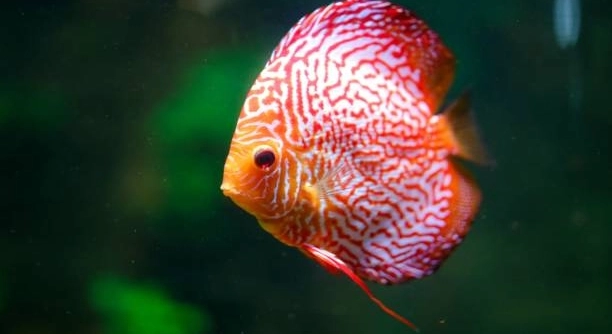
Keeping discus fish healthy requires more than just a nice tank setup. Water quality plays a crucial role in their well-being. Stabilizing specific water parameters ensures a safe and comfortable environment for these delicate fish.
The seven key water parameters to stabilize for discus are temperature, pH, hardness, ammonia, nitrite, nitrate, and oxygen levels. Maintaining consistent levels in each parameter prevents stress, disease, and promotes healthy growth in discus fish.
Properly managing these factors supports your discus’ overall health. Understanding each parameter’s importance helps maintain a balanced aquatic habitat for long-term success.
Temperature Control for Discus
Discus fish thrive best in stable temperatures between 82°F and 86°F (28°C to 30°C). Sudden changes can stress them, leading to weakened immune systems and vulnerability to illness. Keeping the temperature consistent is essential, especially in homes where room temperature fluctuates. Using a reliable aquarium heater with a thermostat helps maintain this balance. It’s also important to monitor the water regularly with a thermometer. Avoid placing the tank near windows or heating vents where temperature swings can occur. A gradual temperature change of no more than 1°F per day is recommended when adjustments are necessary. Maintaining warmth mimics their natural tropical environment, ensuring their comfort and activity levels. Discus are sensitive to cold, so overheating should also be avoided. Consistent temperature reduces stress and supports their metabolism and immune response, making it a foundation of good care.
Proper temperature control creates a stable and healthy environment. Small fluctuations can cause big problems over time.
A well-regulated temperature prevents stress-related diseases and promotes natural behavior in discus. Consistency in warmth supports their digestion, coloration, and breeding success. Investing in accurate monitoring tools and reliable heaters pays off by ensuring your discus remain healthy and active. When temperature remains steady, the fish use less energy coping with stress and more on growth and reproduction. This balance is essential for keeping discus vibrant and thriving in your aquarium. Monitoring is easy with daily checks and allows quick fixes if needed, making temperature one of the simplest but most impactful parameters to stabilize.
pH and Water Hardness
Maintaining proper pH levels is crucial for discus health. The ideal pH range is between 6.0 and 7.0. Outside this range, fish can experience stress and difficulty in regulating their bodily functions. Water hardness, which refers to the mineral content, should be soft to moderately hard, with general hardness (GH) around 3–8 dGH and carbonate hardness (KH) between 1–3 dKH. Both pH and hardness affect the chemical balance and fish metabolism. Sudden shifts in these parameters can cause discomfort or even fatal conditions. Regular testing is necessary to keep these factors stable.
Testing water weekly helps catch changes early. Adjustments should be gradual to avoid shocking the fish.
To control pH and hardness, use water conditioners designed for soft water or reverse osmosis water mixed with tap water. Avoid abrupt changes by slowly mixing water when performing water changes. Natural materials like peat moss can lower pH and soften water, but use them cautiously. Stable water chemistry supports discus immune health, color vibrancy, and stress resistance. Understanding how pH and hardness interact is key to preventing long-term health problems and creating a balanced environment where discus feel secure and can thrive. Consistent monitoring and adjustment prevent common issues caused by poor water chemistry.
Ammonia and Nitrite Levels
Ammonia and nitrite are toxic to discus even at low concentrations. Their levels must be kept at zero to prevent health issues.
Both ammonia and nitrite result from fish waste and decomposing matter. In a well-established aquarium, beneficial bacteria convert ammonia into nitrite and then nitrate, which is less harmful. If the biological filter is not mature or is overwhelmed, these toxins can build up quickly. High ammonia or nitrite levels cause stress, gill damage, and can be fatal. Testing water regularly, especially in new setups, is essential. Frequent water changes and avoiding overfeeding help reduce waste buildup. Using a reliable water test kit ensures these parameters remain safe.
Keeping ammonia and nitrite at zero supports discus breathing and overall health. Even brief exposure to these toxins can weaken their immune system and increase disease risk. Careful monitoring and maintaining a strong biological filter are critical for a safe environment.
Nitrate Control
Nitrate is less toxic but should be kept below 20 ppm for discus. High nitrate levels cause long-term stress and weaken fish immunity.
Nitrate accumulates from the breakdown of ammonia and nitrite in the nitrogen cycle. Regular partial water changes are the most effective way to keep nitrate levels low. Overgrown plants can help absorb nitrates but may not be enough alone. Avoid overcrowding the tank, which raises waste levels and nitrate production. A clean substrate and removing uneaten food reduce organic material decay, helping control nitrate. Nitrate buildup can lead to poor coloration, slower growth, and susceptibility to infections in discus. Consistent maintenance and water testing prevent harmful nitrate spikes and keep your fish healthier.
Oxygen Levels
Discus need well-oxygenated water to stay healthy and active. Poor oxygen levels can cause lethargy and breathing difficulties.
Use an air pump or surface agitation to keep oxygen high. Plants also help by producing oxygen during daylight. Proper circulation prevents low oxygen zones.
Water Flow
Water flow should be gentle for discus tanks. Strong currents stress these fish and interfere with their natural behavior. Adjust filters and pumps to create a calm environment. Gentle flow improves oxygen distribution without causing distress.
Lighting Conditions
Lighting should mimic a natural day-night cycle. Too much light can stress discus and encourage algae growth. Moderate lighting promotes healthy fish and plants, reducing stress and helping discus show their best colors.
Regular Maintenance
Consistent cleaning and water changes are essential. Removing waste and old water keeps parameters stable and prevents toxin buildup. This routine supports discus health and longevity in the tank.
FAQ
How often should I test water parameters for discus?
Testing should be done at least once a week, especially for ammonia, nitrite, nitrate, pH, and temperature. More frequent checks may be needed during tank cycling or if problems arise. Consistent testing helps catch issues early before they affect your fish.
What is the best way to lower ammonia or nitrite levels quickly?
Perform a partial water change of 25-50% immediately if ammonia or nitrite rises above zero. Adding beneficial bacteria supplements can also speed up the biological filtration. Avoid feeding for a day or two to reduce waste production. Maintaining a strong filter system is key for long-term control.
Can I use tap water directly for water changes?
Tap water often contains chlorine or chloramine, which are harmful to discus. Always treat tap water with a water conditioner that neutralizes these chemicals before adding it to the tank. Testing pH and hardness after treatment is also a good idea.
Why is stable temperature so important for discus?
Discus are tropical fish sensitive to temperature swings. Sudden changes can cause stress and weaken their immune system, making them more prone to disease. Stable warmth helps maintain their metabolism, activity, and feeding habits.
How do I adjust pH safely in my discus tank?
Adjust pH slowly by mixing tank water with treated water of the desired pH. Avoid drastic changes, which can shock the fish. Using natural materials like peat moss or driftwood can lower pH, while baking soda raises it. Test frequently to monitor progress.
What should I do if nitrate levels are high?
Increase the frequency of partial water changes and vacuum the substrate to remove organic waste. Adding live plants can also help absorb nitrates. Reducing feeding amounts can lower waste production. Maintaining good filtration is essential for long-term nitrate control.
Is it necessary to have an air pump in a discus tank?
An air pump or other methods that increase surface agitation improve oxygen levels, which is vital for discus health. While not always mandatory, good oxygenation supports respiration and reduces stress, especially in warmer water.
How much water flow is ideal for discus?
Discus prefer gentle water flow to avoid stress. High flow forces them to expend energy swimming and can interfere with their feeding. Adjust filter output or add flow deflectors to keep currents mild and steady.
Can lighting affect discus health?
Yes, lighting impacts fish behavior and tank conditions. Too bright or prolonged light can stress discus and encourage algae growth. A moderate day-night cycle with about 8-10 hours of light is best for their comfort and color display.
What are the signs that water parameters are off?
Signs include lethargy, loss of appetite, faded colors, gasping at the surface, or unusual swimming patterns. These symptoms often indicate stress from poor water quality and require immediate testing and correction.
How important is regular maintenance for discus tanks?
Regular maintenance, including water changes, filter cleaning, and substrate vacuuming, keeps water parameters stable. It removes toxins and organic debris that can build up and harm discus. A clean tank supports healthier, more vibrant fish.
Can sudden changes in water parameters cause death?
Yes, sudden or extreme changes in temperature, pH, or toxins like ammonia can cause shock and be fatal. Always introduce changes gradually and monitor water quality closely to protect discus health.
What is the role of biological filtration in discus tanks?
Biological filtration uses beneficial bacteria to convert toxic ammonia into less harmful nitrate. This process is critical for a safe environment. Keeping the filter media clean but not sterile preserves these bacteria and maintains balance.
How do I know if my filter is working properly?
If ammonia and nitrite levels remain at zero and the water looks clear, the filter is doing its job. Reduced water flow or strange noises may indicate problems. Regular inspection and cleaning prevent filter failure.
Are water conditioners necessary for discus care?
Yes, conditioners remove harmful chlorine, chloramine, and heavy metals from tap water. They protect fish from chemical stress and damage during water changes. Always use a conditioner designed for aquarium use.
How often should I perform water changes for discus?
Weekly water changes of 20-30% are standard to maintain water quality. More frequent or larger changes may be needed in heavily stocked tanks or if water parameters fluctuate. Consistency is key for stable conditions.
Can overfeeding affect water parameters?
Yes, excess food decomposes and increases ammonia, nitrite, and nitrate levels. Feeding small amounts once or twice daily, removing uneaten food promptly, and monitoring fish appetite help keep water clean and safe.
What is the ideal hardness level for discus water?
Discus prefer soft to moderately hard water, with general hardness between 3 and 8 dGH. Hard water can stress them and affect pH stability. Testing and adjusting hardness ensures comfort and proper mineral balance.
How do I handle new tank setups for discus?
Cycle the tank fully before adding discus to establish beneficial bacteria and prevent toxic spikes. This process can take several weeks. Testing water parameters frequently during this time avoids sudden changes that harm new fish.
Can live plants improve water quality for discus?
Yes, live plants absorb nitrates and produce oxygen, helping stabilize water chemistry. They also provide hiding spots that reduce stress. Choose plants that tolerate the warm, soft water conditions discus need.
Is water temperature different for discus breeding?
Breeding discus often requires slightly warmer water, around 86°F to 88°F, to encourage spawning. Maintaining stable temperature and clean water during this period supports egg development and fry health.
What is the impact of pH fluctuations on discus?
Frequent pH changes cause stress and damage the protective slime coat on discus, increasing disease risk. Stability within the ideal range supports digestion and immune function, helping discus stay healthy.
How can I prevent algae growth in discus tanks?
Control lighting duration, avoid overfeeding, and perform regular water changes. Algae thrive in excess nutrients and light, so maintaining balanced conditions reduces buildup and keeps the tank clean.
What are the best water testing methods for discus tanks?
Liquid test kits provide accurate results for ammonia, nitrite, nitrate, pH, and hardness. Test strips are faster but less precise. Consistent testing ensures parameters remain safe and allows early intervention.
How long does it take for water parameters to stabilize after changes?
It can take several hours to days for parameters to settle, depending on the change size. Introduce changes slowly and monitor daily to avoid shocking discus and maintain stable conditions.
Can mixing different water sources cause problems?
Mixing water with different pH, hardness, or contaminants can create instability. Always test and adjust water before adding it to the tank. Gradual mixing prevents sudden shifts harmful to discus.
Why is removing uneaten food important?
Uneaten food decomposes, increasing ammonia and nitrate levels. It also encourages harmful bacteria and algae growth. Removing leftovers promptly helps maintain water quality and prevents toxic buildup.
How can I safely acclimate discus to a new tank?
Float the bag in the tank to match temperature, then slowly add tank water to the bag over an hour. This gradual process reduces stress by adjusting the fish to new water conditions before release.
What are common mistakes in discus water management?
Common errors include irregular testing, sudden parameter changes, overfeeding, and skipping water changes. These lead to poor water quality and stress. Consistent care and monitoring prevent most issues.
How can I improve water quality quickly in emergencies?
Perform a large partial water change, reduce feeding, add beneficial bacteria supplements, and increase aeration. These steps help lower toxins and support fish health until the root cause is fixed.
What is the significance of KH in discus tanks?
Carbonate hardness (KH) buffers pH, preventing sudden drops. Low KH causes unstable pH, which stresses discus. Maintaining proper KH keeps water chemistry balanced and reduces risks of harmful swings.
Are chemical additives safe for adjusting water parameters?
Use chemical additives cautiously and only when necessary. Some can cause rapid changes or harm beneficial bacteria. Follow instructions carefully and monitor parameters closely after use.
How do I ensure long-term stability in my discus tank?
Regular testing, consistent maintenance, careful feeding, and gradual adjustments create a stable environment. Patience and routine care are essential for healthy discus and balanced water conditions.
Final Thoughts
Maintaining stable water parameters is essential for keeping discus healthy and thriving. These fish are sensitive to changes in their environment, so paying attention to ammonia, nitrite, nitrate, pH, temperature, oxygen, and water flow is critical. Even small fluctuations can cause stress and lead to illness. Consistent testing and careful adjustments help avoid sudden shifts that harm discus. A well-balanced aquarium creates a safer, more comfortable home for these delicate fish.
Water quality depends on regular maintenance. Weekly water changes remove accumulated toxins and replenish essential minerals. Cleaning the filter and substrate prevents waste buildup, which can affect water chemistry. Feeding the right amount of food and removing uneaten leftovers reduce organic matter that contributes to poor water conditions. Using water conditioners to treat tap water ensures harmful chemicals are neutralized before entering the tank. All these steps combined create a stable environment, allowing discus to display their best colors and behavior.
Patience and attention to detail go a long way in discus care. It takes time to establish a mature biological filter and keep parameters steady. Rapid changes or neglect often lead to problems. Observing your fish regularly and monitoring water helps identify issues early. Making gradual adjustments rather than sudden ones reduces stress on discus. Following these guidelines creates a balanced tank that supports long-term health and happiness for your discus. Careful water management is one of the most important parts of successful discus keeping.

Hello,
If you enjoy the content that we create, please consider saying a "Thank You!" by leaving a tip.
Every little bit helps us continue crafting quality advice that supports the health, happiness, and well-being of pets around the world, for pets of all shapes, sizes, and species.
We really appreciate the kindness and support that you show us!