
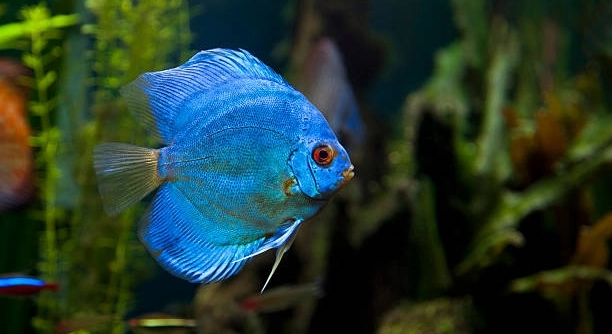
Discus fish are known for their beauty and delicate nature. Many owners enjoy caring for them but sometimes notice their fish behaving nervously or hiding more than usual. Understanding what might be causing stress is important for their well-being.
Several factors can cause stress in discus fish, including poor water quality, inappropriate tank mates, sudden changes in environment, improper diet, inadequate tank conditions, diseases, and excessive noise or vibrations. Each of these can negatively impact their health and behavior.
Recognizing these stressors early can help you create a more comfortable environment for your discus fish and improve their overall health and happiness.
Poor Water Quality
Maintaining clean water is essential for discus fish health. Poor water quality can cause stress and illness. Ammonia, nitrite, and nitrate levels should be regularly tested and kept within safe ranges. Frequent water changes help keep toxins low and oxygen levels high. Temperature and pH also need to stay stable because sudden shifts can upset discus fish. Using a good filtration system improves water clarity and removes waste. Avoid overfeeding, as leftover food increases waste buildup. Regularly cleaning the tank and checking equipment will prevent problems. Paying close attention to water conditions supports your discus fish’s comfort and reduces stress.
Water quality affects discus fish by directly impacting their respiratory and immune systems, making it critical for their survival and well-being.
Discus fish are sensitive to changes in their environment. When water quality declines, they may lose appetite, show faded colors, or swim erratically. Clean water with stable parameters helps them stay active and healthy. Testing water weekly and performing partial water changes prevent toxic buildup. A proper filtration system ensures waste and harmful chemicals do not accumulate. Keeping the tank free of uneaten food and debris further protects water quality. Regular maintenance is key to creating a safe, stable home for discus fish, helping them thrive and reducing risks of disease caused by poor water conditions.
Incompatible Tank Mates
Tank mates that are too aggressive or active can cause stress for discus fish. They prefer calm and peaceful companions. Fish that nip fins or compete aggressively for food create an unsafe environment. Incompatible species may also introduce diseases or parasites. It is important to select species that share similar water requirements and temperament. Avoid overcrowding the tank, as it increases competition and stress. Choosing peaceful, slow-moving fish helps discus feel secure and reduces conflict.
Choosing compatible tank mates promotes harmony and reduces stress in the aquarium.
Discus fish do best with species that are gentle and thrive in similar water conditions. Suitable companions include tetras, corydoras, and certain dwarf cichlids. Avoid fast, boisterous fish like barbs or large cichlids that may bully them. When selecting tank mates, consider size, behavior, and water needs. Providing enough hiding spots and plants allows discus to retreat when feeling threatened. Maintaining a balanced population prevents territorial disputes. Compatibility supports social stability, allowing discus fish to exhibit natural behavior without fear or stress. Thoughtful planning of tank community is essential to maintaining a peaceful environment and protecting the wellbeing of discus fish.
Sudden Changes in Environment
Discus fish are sensitive to sudden environmental changes. Shifts in temperature, lighting, or water chemistry can stress them quickly. Maintaining a stable environment is crucial for their health.
Even small fluctuations in temperature can affect discus fish behavior. Rapid changes can weaken their immune system and increase susceptibility to illness. Consistent lighting schedules help regulate their natural rhythms. Moving the tank or rearranging decorations abruptly may also cause stress, as discus rely on familiar surroundings. Introducing new water without gradual acclimation can shock their system. Using a heater with stable temperature control and avoiding sudden changes supports their well-being. Gradual water changes and stable tank conditions help discus adjust without distress.
Transporting discus or making changes to their tank environment requires patience and care. Slowly acclimating fish to new conditions reduces stress. Adjust lighting incrementally and avoid disturbing their space. Using a quarantine tank for new additions prevents introducing sudden environmental shocks. Creating a calm, consistent environment helps discus thrive and stay healthy over time.
Improper Diet
A poor diet can cause nutritional deficiencies and weaken discus fish. Feeding a varied and balanced diet is essential for their growth and color. Relying on one food type limits essential nutrients.
Discus fish need high-quality proteins, vitamins, and minerals. Offering a mix of pellets, flakes, frozen or live foods like bloodworms and brine shrimp ensures they get the right nutrients. Overfeeding leads to water quality problems, so portion control is important. Avoid feeding only flake foods or low-quality pellets. Including fresh vegetables occasionally can improve digestion. Regular feeding schedules maintain consistent energy levels and reduce stress. Providing a proper diet enhances their immune system and promotes vibrant colors.
Feeding discus fish a balanced and nutritious diet supports overall health and disease resistance. Using a variety of foods replicates their natural diet and keeps them interested. Ensuring food quality and proper feeding amounts prevents obesity and related health issues. Observing their appetite and adjusting feeding habits helps maintain good condition. Nutrition plays a key role in keeping discus fish lively and colorful in the long term.
Diseases and Parasites
Discus fish are prone to several diseases that cause stress and health decline. Parasites like ich and bacterial infections are common threats. Early detection and treatment are critical for recovery.
Symptoms include faded colors, clamped fins, and unusual swimming. Quarantine new fish to prevent spreading illness. Maintaining clean water and a balanced diet strengthens their immune system.
Excessive Noise and Vibrations
Loud noises and vibrations can disturb discus fish. They prefer quiet surroundings and may become stressed by household activity, speakers, or aquarium equipment that vibrates too much. Minimizing noise near the tank helps them feel secure.
Inadequate Tank Conditions
Discus fish require a spacious tank with proper filtration, temperature, and hiding spots. Overcrowding or poor setup can cause stress. A well-maintained environment supports healthy behavior and reduces disease risk.
Stress Symptoms in Discus Fish
Stress in discus fish shows as loss of appetite, hiding, or dull coloration. Early recognition of these signs is key to addressing underlying problems and restoring their health.
FAQ
What causes discus fish to become stressed?
Discus fish can become stressed from poor water quality, incompatible tank mates, sudden environmental changes, improper diet, diseases, and excessive noise or vibrations. Stress weakens their immune system and affects their behavior, making it important to identify and address these factors promptly.
How often should I test the water for my discus?
Testing water weekly is recommended to keep ammonia, nitrite, nitrate, pH, and temperature levels stable. Regular tests help catch issues early before they harm the fish. Frequent water changes also maintain good water quality.
What are signs my discus fish is stressed?
Common signs include loss of appetite, hiding, faded or dull colors, clamped fins, erratic swimming, and reduced activity. If you notice these behaviors, it is important to check water conditions and tank environment immediately.
Can sudden changes in water temperature harm discus fish?
Yes. Sudden temperature shifts can shock discus fish, weakening their immune system and increasing the risk of illness. Gradual adjustments and stable temperature control help prevent this stress.
Are certain tank mates better for discus fish?
Peaceful species like tetras, corydoras, and dwarf cichlids generally make good companions. Avoid aggressive or fast-moving fish that may bully discus or compete too strongly for food. Compatibility supports a calm environment.
How do I properly acclimate new discus fish?
Introduce new discus slowly by floating the transport bag in the tank to equalize temperature. Gradually add tank water to the bag over an hour before releasing the fish. This reduces shock and helps them adjust.
What is the best diet for discus fish?
A varied diet including high-quality pellets, flakes, frozen or live foods like bloodworms and brine shrimp provides necessary nutrients. Avoid overfeeding to prevent water issues. Occasionally adding fresh vegetables can aid digestion.
Can poor water quality cause disease in discus fish?
Yes. High ammonia or nitrite levels and dirty water promote bacterial and parasitic infections. Clean, well-filtered water reduces disease risk and supports immune health.
How much space do discus fish need?
Discus need spacious tanks, ideally 50 gallons or more for a small group, to reduce stress and allow normal behavior. Overcrowding causes competition and poor water quality.
Does noise affect discus fish?
Yes. Loud noises and vibrations can stress discus fish, making them hide or behave erratically. Keeping the tank in a quiet location helps maintain calm conditions.
How often should I clean my discus tank?
Perform partial water changes of 20-30% weekly and clean the substrate and decorations regularly. Avoid full cleanings that disrupt beneficial bacteria. Proper maintenance supports healthy water quality.
Can stress cause color changes in discus fish?
Stress often causes fading or dull colors as discus conserve energy and focus on survival. Reducing stress factors helps restore vibrant coloration.
What should I do if my discus shows signs of disease?
Isolate sick fish in a quarantine tank and identify the illness. Treat with appropriate medications and improve water quality. Early intervention increases chances of recovery.
Is it okay to rearrange tank decorations frequently?
No. Sudden changes to tank layout can stress discus fish, who rely on familiar surroundings. Make changes slowly and sparingly to avoid upsetting them.
How important is lighting for discus fish?
Consistent lighting helps regulate their natural rhythms. Sudden changes or excessive brightness can cause stress. Use a timer to maintain a regular day-night cycle.
What temperature range is best for discus fish?
Discus thrive between 82°F and 86°F (28°C to 30°C). Keeping temperature stable within this range prevents stress and supports metabolism.
Can overcrowding lead to stress in discus fish?
Yes. Too many fish increase competition for food and space, degrade water quality, and raise aggression. Adequate space and proper stocking levels are essential.
Do discus fish need hiding places?
Yes. Providing plants, caves, or other shelters gives discus a sense of security and helps reduce stress. They use hiding spots when feeling threatened or during rest.
How can I reduce stress during water changes?
Perform water changes slowly and use water with matching temperature and parameters. Avoid disturbing the fish too much during the process.
What role does diet play in preventing disease?
A balanced diet strengthens the immune system and improves overall health, making discus fish more resistant to infections and stress-related illnesses.
Are there common diseases I should watch for?
Ich, bacterial infections, and parasites are common in discus. Early signs include white spots, lethargy, loss of appetite, or skin damage. Prompt treatment is necessary.
Can stress shorten discus fish lifespan?
Chronic stress weakens immune defenses and can lead to illness, reducing lifespan. Providing stable conditions and proper care helps discus live longer, healthier lives.
Discus fish are beautiful and sensitive creatures that need careful care to thrive. Keeping their environment stable and healthy is very important. Factors like water quality, tank mates, diet, and noise all affect their well-being. When these elements are managed well, discus fish are less likely to become stressed or sick. Stress can cause many problems, including loss of appetite, color fading, and disease. Preventing stress helps your discus live longer and stay healthier.
Regular maintenance of the tank plays a big role in keeping discus fish comfortable. Testing water parameters often and performing timely water changes remove harmful substances. Choosing peaceful tank mates and providing enough space reduces conflicts. Feeding a varied and nutritious diet supports their immune system and growth. Avoiding sudden changes in the environment helps them stay calm. All these small steps together create a safe habitat for discus fish to flourish.
It is normal to face challenges when caring for discus fish, but paying attention to their needs makes a difference. Watching for signs of stress early can prevent serious health issues. Making gradual adjustments and keeping the tank stable are key practices. Each discus fish may have unique preferences, so observing their behavior helps in tailoring care. With patience and consistent effort, discus fish owners can enjoy the rewarding experience of a thriving aquarium. Taking care of discus is about creating balance and providing a peaceful, clean, and nourishing home.

Hello,
If you enjoy the content that we create, please consider saying a "Thank You!" by leaving a tip.
Every little bit helps us continue crafting quality advice that supports the health, happiness, and well-being of pets around the world, for pets of all shapes, sizes, and species.
We really appreciate the kindness and support that you show us!