
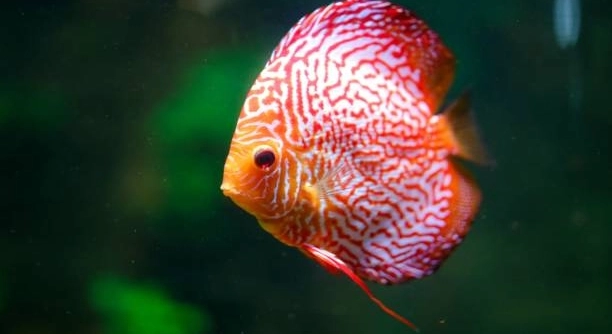
Have you ever noticed your discus fish swimming in circles and wondered if it means something important or unusual is happening? Sometimes, fish behaviors can seem strange, especially when they appear out of the blue.
Discus fish may swim in circles due to stress, breeding behavior, or health concerns such as parasites or neurological issues. Observing the pattern and context of the behavior can help determine the underlying cause and necessary action.
Understanding these behaviors can help you better care for your discus and create a safer, healthier environment for them in your tank.
Common Reasons for Circular Swimming
Discus fish may start swimming in circles for a few key reasons. One of the most common is stress, which can come from poor water quality, sudden changes in temperature, or being introduced to a new tank. Another reason could be breeding behavior, where paired discus begin a synchronized swimming pattern. Illness is also something to consider—internal parasites, bacterial infections, or even neurological problems can affect their balance and movement. If a fish is repeatedly swimming in tight circles or seems off-balance, it’s often a sign that something is wrong. Watching for other symptoms like clamped fins, color changes, or loss of appetite can help identify if the behavior is linked to health issues. Not all circling is harmful, but if it happens often or looks frantic, it’s worth checking the tank conditions and the fish’s health closely. Simple changes can sometimes make a big difference in their behavior.
Discus fish also respond to changes in their environment quickly. Even minor shifts in lighting or tank layout can cause stress that leads to strange behaviors like circling.
Pay attention to how often the behavior occurs and how long it lasts. Short bursts of circling might be normal, but repeated episodes usually signal something more serious.
What You Can Do to Help
If the circling seems unusual, start by checking the water. Look at ammonia, nitrite, and nitrate levels, and make sure the pH is stable. A sudden change in water quality is one of the fastest ways to stress a discus fish.
In cases where water parameters are fine, consider their social environment. Discus are social but sensitive, and overcrowding or aggressive tank mates can cause stress. If the circling fish is alone or newly added to a group, it might be trying to establish itself or cope with anxiety. Check for other signs of illness too—white feces, weight loss, or cloudy eyes may point to internal parasites or infection. If you notice any of these, isolating the fish and treating with appropriate medication can help. Also, observe the tank’s layout. Sometimes, a mirror-like background or confusing decoration can affect their behavior. Creating a calm, steady environment can reduce the stress that causes odd swimming patterns. The key is to notice changes early and respond gently without making more sudden adjustments.
Identifying Stress Triggers
Stress is one of the main reasons discus swim in circles. It can come from many sources in their environment.
Common stress triggers include sudden water changes, incompatible tank mates, or poor water quality. Noise and vibrations outside the tank can also upset them. Even frequent handling or moving the tank can cause stress. Recognizing these triggers early helps keep discus calm and healthy.
Stress affects discus behavior in many ways beyond circling. They may hide more often, lose appetite, or show faded colors. Over time, stress weakens their immune system, making them vulnerable to illness. Preventing stress means keeping the tank stable, avoiding overcrowding, and minimizing loud disturbances near the tank. Regular testing of water parameters and gentle tank maintenance support their well-being and reduce unusual swimming behaviors.
When Breeding Affects Behavior
During breeding, discus swim in circles as part of their courtship. This helps strengthen pair bonds and coordinate spawning.
Pairs often swim side by side in tight circles, sometimes rubbing their bodies together. This behavior is a natural part of their reproductive cycle and usually lasts a few days. They may also clean a flat surface to prepare for egg laying. While this circling looks similar to stress-induced swimming, it is calmer and more controlled. Watching the context helps distinguish breeding behavior from other causes. Proper tank conditions and minimal disturbances support successful breeding and reduce stress-related issues during this time.
Health Issues and Circling
Health problems can cause discus to swim in circles. Parasites or infections may affect their balance.
If circling comes with other symptoms like lethargy or loss of appetite, it is important to act quickly and check for illness.
Diagnosing Neurological Problems
Neurological issues in discus can result from infections, toxins, or injuries. These problems disrupt their normal swimming patterns, often causing tight circular swimming or spinning. Diagnosing neurological conditions can be challenging without a vet’s help, but observing other signs like head tilting, loss of coordination, or unresponsiveness is key. Treatment depends on the cause, which may involve medication or changes to the tank environment. Keeping the water clean and avoiding harmful chemicals reduces risks of neurological damage. Early attention to unusual swimming helps improve the chances of recovery.
Environmental Adjustments
Adjusting the tank environment can reduce circling caused by stress or confusion. Simple changes often help.
FAQ
Why do discus swim in circles sometimes?
Discus swim in circles for different reasons. It can be a natural part of breeding behavior or a reaction to stress. Sometimes, health issues like parasites or neurological problems cause this behavior. Watching other signs, such as appetite or color changes, helps understand why your discus are circling.
Is circling always a sign of illness?
Not always. Circling can be part of normal behaviors like courtship or exploration. However, if it happens often and your fish shows other symptoms like lethargy, loss of appetite, or unusual spots, it could mean a health problem. It’s best to check water quality and monitor your fish closely.
How can I tell if discus are stressed?
Stress signs include hiding, loss of color, refusing food, and unusual swimming like circling or darting. Poor water conditions, aggressive tank mates, or sudden changes in the tank often cause stress. Regular water tests and keeping a calm tank environment help reduce stress.
What water parameters should I maintain for discus?
Discus prefer soft, slightly acidic water with a pH between 6.0 and 7.0. Temperature should be stable around 82–86°F (28–30°C). Ammonia and nitrite must be zero, and nitrates kept low. Stable, clean water reduces stress and illness, which lowers odd behaviors like circling.
Can tank mates cause discus to swim in circles?
Yes. Aggressive or overly active tank mates can stress discus, causing them to swim in circles or hide. Choose peaceful fish that live at similar water conditions. Avoid overcrowding and watch how your discus react to others to keep harmony.
What should I do if my discus swims in circles and looks sick?
Start by testing water quality and performing a partial water change if needed. Check for signs of parasites or infection, like white spots or frayed fins. If symptoms persist, isolate the fish and seek advice on treatment. Prompt care improves recovery chances.
Is breeding the only natural reason for circling?
Breeding is a common reason, but not the only one. Discus sometimes swim in circles when exploring or establishing territory, especially in new tanks. These behaviors are usually calm and not frantic. Knowing your fish’s routine helps identify normal versus problematic circling.
Can diet affect discus behavior?
A poor diet can weaken discus, making them more prone to illness and stress, which might cause circling. Feeding a balanced diet rich in protein, vitamins, and minerals supports their health and normal behavior. Avoid sudden changes in diet to prevent stress.
How can I prevent discus from swimming in circles due to stress?
Keep water quality stable and within their preferred range. Avoid overcrowding and ensure tank mates are compatible. Limit sudden changes to the tank environment, like lighting or decorations. Providing hiding spots and gentle handling also helps reduce stress.
When should I consult a vet about circling behavior?
If your discus swims in tight circles for long periods, shows other illness signs, or does not improve with water changes and stress reduction, it’s time to consult a vet. Early diagnosis and treatment give your fish the best chance for recovery.
Discus swimming in circles can mean different things depending on the situation. Sometimes, it is a normal behavior linked to breeding or social interaction. Other times, it can be a sign of stress or health problems. Paying close attention to your fish and their environment is important. When you notice your discus swimming in circles, looking for other clues such as changes in appetite, color, or activity can help you understand what is happening. It is never a bad idea to check the water quality regularly and make sure the tank conditions are stable and clean.
Stress is a common cause of unusual swimming behaviors like circling. It can come from many sources, including poor water quality, aggressive tank mates, or sudden changes in the tank. Keeping your discus comfortable means maintaining good water parameters and providing a peaceful environment. Sometimes even small things, like moving decorations or bright lights, can cause anxiety. Offering hiding places and avoiding overcrowding can reduce stress. If you notice the circling behavior comes with other signs of illness, such as clamped fins or loss of appetite, it is important to act quickly. Early attention can prevent more serious problems later.
Health issues like parasites, infections, or neurological problems may also cause discus to swim in circles. These conditions need to be identified and treated as soon as possible. Isolating the affected fish and consulting a vet or an experienced aquarist can make a difference. Observing your discus regularly will help you catch changes early. While some circling is normal during breeding, unusual or constant circling usually means something needs attention. By keeping the tank clean, stable, and calm, you give your discus the best chance to stay healthy and happy.

Hello,
If you enjoy the content that we create, please consider saying a "Thank You!" by leaving a tip.
Every little bit helps us continue crafting quality advice that supports the health, happiness, and well-being of pets around the world, for pets of all shapes, sizes, and species.
We really appreciate the kindness and support that you show us!