
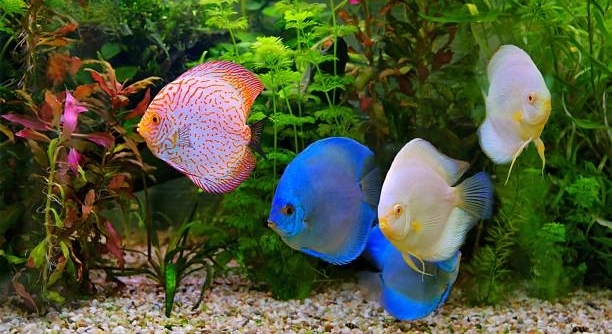
Discus fish are beautiful and peaceful creatures that many people enjoy keeping in their aquariums. Sometimes, these fish can face challenges from other tank mates that cause stress or harm. Recognizing the signs of bullying is important for their well-being.
Bullying in discus fish typically involves chasing, nipping, or isolating the individual fish. This behavior can lead to physical injury, weakened immune systems, and increased stress levels. Early detection helps prevent long-term health problems and maintains a balanced aquarium environment.
Learning to spot these clues can help you protect your discus and keep your tank peaceful and healthy.
Changes in Behavior
Discus fish usually show calm and gentle behavior, but bullying can make them act differently. You might notice your discus hiding more than usual or swimming away quickly when others approach. Sometimes, a bullied discus stops eating or becomes less active. These behavior changes are signs that the fish feels stressed or threatened. It’s important to observe these shifts early because stress weakens their immune system, making them more prone to diseases. If left unchecked, bullying can lead to long-term health problems. Watching how your discus interacts with other tank mates daily helps you catch these subtle clues before the situation worsens. Remember, a peaceful environment helps all your fish thrive, so identifying unusual behavior early allows you to make the needed changes.
Behavior changes are often the first signs that something is wrong in your tank’s social balance.
Once you spot these signs, try adjusting tank setup or separating aggressive fish to restore calm. Your discus will thank you with improved health and confidence.
Visible Injuries and Marks
Small injuries on your discus can be a clear sign of bullying. Look closely for torn fins, scratches, or missing scales. These marks usually happen when other fish nip or chase them aggressively. Injuries not only hurt the fish but also increase the risk of infections. Cleaning the tank regularly and keeping good water quality helps prevent wounds from getting worse. If injuries appear, consider isolating the injured discus until it recovers. Sometimes rearranging decorations in the tank helps reduce hiding spots for aggressive fish, lowering chances of bullying. Observing fish daily gives you a chance to act quickly and avoid serious harm. Keeping an eye on your discus’s physical health is key to maintaining a safe and happy aquarium.
Changes in Appetite
A sudden loss of appetite is a common sign that your discus may be stressed or bullied. When fish feel unsafe, they often eat less or stop eating altogether.
Stress from bullying affects a discus’s digestive system and energy levels. If a fish is constantly chased or cornered, it may be too frightened to eat properly. Reduced food intake weakens the fish and slows healing from any injuries. Watching feeding time closely helps you spot this change early. If one discus stops eating while others continue normally, it may be a sign of trouble. Adjusting the tank environment or separating aggressive fish can help the bullied discus feel safer and encourage it to eat again.
Loss of appetite can quickly lead to more health problems, so early intervention is essential to keep your discus healthy.
Tank Setup and Space
Overcrowding and poor tank layout often increase bullying among discus fish. Giving each fish enough space helps reduce aggression and stress.
When tanks are too small or lack hiding spots, discus can become territorial and aggressive. A well-planned tank with plenty of plants, decorations, or caves offers places for shy fish to retreat. Proper water flow and maintaining stable water quality also keep discus comfortable. If you notice bullying, consider rearranging the tank or upgrading to a larger aquarium. Adding visual barriers or separate feeding areas can ease tension between fish. Giving each discus enough room to swim freely supports a peaceful community and healthier fish overall.
Changes in Color
Discus fish often lose their bright colors when stressed or bullied. A faded or dull appearance can be a sign your fish is struggling.
Color changes happen because stress affects their natural pigments. When a discus feels threatened, it may appear pale or washed out.
Social Isolation
A bullied discus might separate itself from the group. This lonely behavior is a clear sign of distress.
Excessive Hiding
If your discus hides more than usual, it may be avoiding aggression. Watch for fish that stay out of sight often.
How can I tell if my discus is being bullied?
Signs include changes in behavior like hiding, loss of appetite, faded colors, and visible injuries. Bullied discus may swim away quickly from tank mates, isolate themselves, or show stress-related symptoms such as reduced activity. Regular observation during feeding and interaction times helps catch these clues early.
What causes bullying among discus fish?
Bullying often happens due to overcrowding, lack of hiding spots, or incompatible tank mates. Territorial disputes and stress from an improper tank setup can make some discus aggressive. Ensuring enough space, proper environment, and peaceful companions reduces the chance of bullying behavior.
What should I do if I notice injuries on my discus?
First, isolate the injured fish to prevent further harm and infection. Maintain excellent water quality to help healing. Treat wounds if necessary with safe aquarium medications, and consider rearranging tank decorations or removing aggressive fish to lower stress and bullying.
Is it normal for discus to hide a lot?
Discus hiding frequently can signal stress or bullying. While some hiding is natural, excessive hiding usually means the fish feels unsafe. Providing plenty of plants and decorations for shelter helps, but if hiding continues, look for bullying signs or other environmental problems.
Can bullying cause health problems in discus?
Yes, bullying stresses discus and weakens their immune system. This can lead to infections, poor growth, and even death if not addressed. Chronic stress also reduces their ability to fight off common fish diseases, making early action critical for their survival.
How do I prevent bullying in my discus tank?
Keep the tank spacious and well-decorated with hiding spots. Avoid overcrowding and choose peaceful tank mates. Monitor fish behavior regularly and separate aggressive individuals if needed. Stable water conditions and proper feeding routines also contribute to a calmer environment.
Should I separate aggressive discus from others?
Separating aggressive discus can help restore peace. Use a separate tank or a tank divider to protect bullied fish. This reduces stress and injuries while allowing the aggressive fish to calm down. After some time, reintroduce fish carefully or consider permanent separation if problems continue.
How can I improve tank conditions to reduce bullying?
Increase tank size or rearrange decorations to create more territory. Add plants, rocks, or caves for hiding. Keep water clean and stable with regular testing. Feeding in multiple areas reduces competition. These changes help discus feel safer and lower aggressive behavior.
Will my discus recover after being bullied?
With proper care, injured discus can recover fully. Healing depends on quick action, good water quality, and reduced stress. Make sure the fish eats well and monitor for infection signs. Recovery may take weeks, so patience and consistent care are important.
Are some discus more prone to bullying?
Yes, weaker, smaller, or new discus often become targets. Shy or slow fish may be picked on by more dominant individuals. Introducing new fish slowly and providing hiding spots helps protect vulnerable discus and promotes a balanced social structure.
Final Thoughts
Taking care of discus fish can be very rewarding, but it also comes with responsibilities. One important part of keeping discus healthy is watching for signs of bullying. When discus are bullied, it can cause stress, injuries, and health problems. These problems may not always be easy to spot at first, but paying attention to changes in behavior, appetite, or appearance can help. Early detection makes it easier to protect your fish and create a calm tank environment. Being aware of how your discus act and interact with other fish is a simple way to catch issues before they get worse.
Creating a good home for your discus helps prevent bullying. This means having a large enough tank, with plenty of hiding spots and plants. These elements give shy or weaker fish a chance to avoid aggressive ones. Overcrowding and poor tank setups often increase bullying, so planning the tank carefully is key. Water quality also plays a big role. Healthy, clean water helps discus stay strong and lowers stress, which can reduce aggressive behavior. Feeding your fish regularly and in different areas helps keep peace too. When discus are well cared for and have enough space, bullying is less likely to happen.
If bullying does happen, it is important to act quickly. Isolating injured or stressed fish can prevent further harm. Rearranging the tank or separating aggressive fish helps calm the community. Sometimes small changes, like adding more decorations or splitting feeding areas, can make a big difference. Always observe your discus carefully and adjust their environment when needed. Keeping your discus safe from bullying takes effort, but the results are worth it. Healthy, happy discus live longer and bring more enjoyment to your aquarium.

Hello,
If you enjoy the content that we create, please consider saying a "Thank You!" by leaving a tip.
Every little bit helps us continue crafting quality advice that supports the health, happiness, and well-being of pets around the world, for pets of all shapes, sizes, and species.
We really appreciate the kindness and support that you show us!