
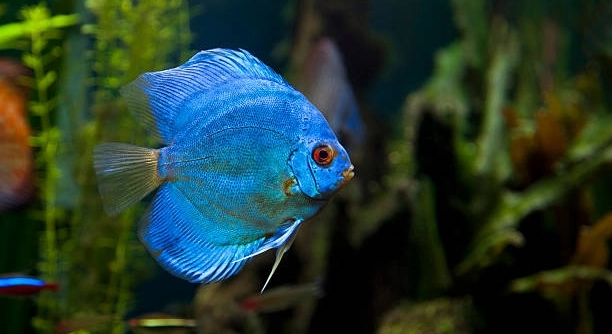
Do you ever find yourself worried about your discus fish acting strangely, eating less, or showing signs of stress in your aquarium?
Discus fish are prone to internal parasites, especially when kept in poor water conditions or under stress. These parasites can cause weight loss, lethargy, and a decrease in appetite, requiring prompt diagnosis and treatment.
Learning how to spot early signs and manage prevention can make a big difference in keeping your discus fish healthy and stress-free.
Common Causes of Internal Parasites in Discus Fish
Internal parasites in discus fish are often linked to poor tank maintenance, contaminated food, or stress. When the tank water isn’t clean, it becomes easier for harmful organisms to thrive. Live or frozen food that isn’t properly handled can also carry parasite eggs. Stress from changes in water temperature, overcrowding, or transport can weaken a discus fish’s immune system, making them more likely to get sick. New fish added without quarantine can also introduce parasites. These infections often spread quietly at first. By the time symptoms show up, the parasite may already be affecting the fish’s digestion and behavior. Weight loss and stringy white feces are two common signs that indicate a problem. Since discus fish are sensitive by nature, even small changes in their environment can have a big impact. Keeping things stable and clean is key. A calm tank helps them stay strong and less likely to get infected.
Some internal parasites may also come from plants or decorations added to the tank without proper cleaning.
It’s best to keep a regular cleaning schedule, check water parameters weekly, and quarantine new arrivals. These steps reduce the chances of harmful organisms entering the tank. Prevention always takes less time than treating a sick fish later.
Symptoms and Treatment Options
Discus fish with internal parasites often lose weight even though they eat normally, or they may stop eating altogether. Their colors may fade, and they might isolate themselves in a corner of the tank.
Treating internal parasites usually starts with identifying the exact type of parasite. Many hobbyists use medications like metronidazole, which is effective against common internal infections. It can be added directly to the tank or mixed with food, depending on the situation. Sometimes, more than one round of treatment is needed. Keeping the water clean during treatment is very important. A separate hospital tank is a good idea if you have other fish. Always remove any carbon from your filter before adding medication, as it can reduce its strength. After the treatment is done, a few water changes help remove any leftover chemicals. Feeding your fish with quality, parasite-free food helps them regain strength. Spotting the signs early makes treatment more successful and helps your discus recover faster.
How to Prevent Internal Parasites in Discus Fish
Prevention starts with clean water, high-quality food, and a stress-free environment. Always quarantine new fish before adding them to your main tank. This simple step can help stop parasites from spreading to healthy discus fish.
Feed only trusted brands of pellets or flakes, and be cautious with live or frozen foods, as these can carry parasite eggs if not handled properly. Rinse any new plants or decorations before placing them in the tank. Keep water temperatures stable and avoid overstocking, as stress makes fish more vulnerable to illness. Perform regular water changes and monitor ammonia, nitrite, and nitrate levels. Make sure filters are functioning well and that your tank size matches your fish population. Use a gravel vacuum during cleanings to remove hidden waste where parasites may thrive. A clean, calm tank makes it much harder for parasites to survive and infect your discus fish.
Observing your fish daily can also make a big difference. Look for changes in appetite, swimming behavior, or appearance. Catching a problem early often leads to quicker and easier treatment. A simple feeding schedule and stress-free tank setup help your fish stay strong. With a little consistency, keeping parasites away becomes much easier over time. Healthy habits add up quickly.
Can Internal Parasites Spread to Other Fish?
Yes, internal parasites can easily spread to other fish in the same tank. Shared water, food, and waste allow parasites to move from one host to another quickly, especially in crowded or unclean environments.
This is why quarantine tanks and early treatment are so important. A single infected fish can affect the whole tank if not separated. Monitoring all tank mates closely helps limit the spread. Quick action protects the rest of your fish.
Is It Safe to Medicate a Community Tank?
Medicating a community tank can work, but it comes with risks. Some medications affect sensitive species or damage beneficial bacteria in your filter. Always read the label and follow the instructions. It’s best to remove activated carbon and increase aeration during treatment. If possible, treat the infected fish in a separate hospital tank to avoid harming others. However, if multiple fish show symptoms, treating the entire tank may be necessary. Use a trusted medication suitable for all your fish species. After treatment, restore the filter, do partial water changes, and keep monitoring your fish for any lingering signs of infection.
What If the Infection Returns?
If the infection comes back, it’s important to double-check water quality, food sources, and tank hygiene. A second round of treatment might be needed, but always identify the cause first. Persistent problems often point to an issue in the tank setup.
FAQ
Can discus fish recover fully from internal parasites?
Yes, discus fish can recover fully if treatment is started early and followed correctly. Using the right medication, keeping water clean, and feeding high-quality food all support recovery. After treatment, give them time to regain strength. Avoid stress during this period, and keep a close eye on their behavior and appetite. Full recovery often takes a few weeks, depending on how long the infection was present and how weak the fish became. A peaceful environment, steady temperature, and regular water changes make a big difference in helping your discus return to normal.
How long should I quarantine new fish to prevent parasites?
Quarantine new fish for at least 2 to 4 weeks. This gives you time to observe them for signs of illness or parasites. During quarantine, feed them well, test the water often, and watch for white feces, loss of appetite, or unusual behavior. If needed, treat them preventively with parasite medication before introducing them to the main tank. Always use a separate filter, net, and tools for the quarantine tank to avoid cross-contamination. Quarantine may feel like a hassle, but it can save your whole tank from getting infected later on.
What are some signs of internal parasites I can spot early?
Early signs include stringy white feces, sudden weight loss, hiding more than usual, and eating less or showing no interest in food. The fish may look thinner even though it’s still eating. Some fish also breathe faster or become less active. If more than one of these signs appear, it’s a good idea to test water parameters and begin treatment if needed. Keeping a daily routine of observation can help catch these problems before they get worse. The earlier you respond, the better the chances of helping your discus recover.
Can internal parasites kill discus fish if left untreated?
Yes, if untreated, internal parasites can seriously weaken and eventually kill discus fish. The parasites damage the digestive system, leading to malnutrition, weakness, and secondary infections. Over time, the fish becomes too weak to eat or fight off other diseases. It’s important not to ignore early symptoms or hope the problem goes away on its own. Prompt treatment and support through clean water and proper feeding give your fish a better chance of survival. Acting quickly is the most important step you can take to avoid losing your discus to parasites.
Should I always treat with medication if I suspect internal parasites?
Not always. First, confirm the symptoms and rule out other causes like poor water quality or changes in diet. If you’re unsure, isolate the fish and observe it closely. Medication should be used carefully, as it can stress the fish and affect helpful bacteria in the tank. Some mild cases improve with clean water and good food. But if symptoms get worse, targeted medication is often necessary. Always follow dosing instructions and complete the treatment course to avoid incomplete recovery or resistance. When in doubt, consulting a vet or experienced aquarist can help guide the next steps.
How can I make sure internal parasites don’t come back?
Stick to a consistent maintenance schedule. Clean the tank weekly, monitor water conditions, and avoid overfeeding. Feed high-quality food and avoid live food unless you trust the source. Quarantine any new fish or plants. Use separate tools for each tank. If a fish has been treated, give it time to regain health before adding it back to the main tank. Sometimes recurring infections come from missing one small part of care, like skipping water tests or skipping quarantine. A little extra care goes a long way in keeping parasites from returning and harming your fish again.
Final Thoughts
Internal parasites in discus fish are a common problem, but they can be managed with the right care. These parasites often go unnoticed at first, which is why regular observation is important. Spotting early signs like weight loss, white feces, or loss of appetite can help prevent the infection from getting worse. Once treated, most discus fish recover well and return to normal behavior. It’s important to be patient during this time. Keeping a calm environment, clean water, and good food can support their healing. A steady routine also helps prevent stress, which plays a big role in keeping fish healthy.
Preventing parasites is always easier than treating them. Good tank maintenance, a proper quarantine setup, and careful feeding habits are key. Avoid feeding low-quality or unclean live foods. Make sure new fish are healthy before placing them in your main tank. Taking these small steps may feel like extra work, but they can save you time and effort in the long run. Clean water, balanced food, and stable temperatures all help build a strong immune system for your discus. When they’re healthy, they’re better able to resist infections. Routine care is the most reliable way to keep your discus fish safe from internal parasites.
In the end, keeping discus fish does require attention and effort, but it’s also rewarding. Watching them stay active and colorful is a sign that things are going well. If internal parasites ever do appear, don’t panic. With quick action and proper care, your fish have a good chance of full recovery. Follow treatment steps carefully, keep the tank conditions stable, and give them time to bounce back. Staying informed and prepared makes it easier to deal with issues like this. Discus fish are sensitive, but they’re also strong when given the right environment. With regular care and a few preventive habits, you can reduce the risk of parasites and help your discus live a long, healthy life.

Hello,
If you enjoy the content that we create, please consider saying a "Thank You!" by leaving a tip.
Every little bit helps us continue crafting quality advice that supports the health, happiness, and well-being of pets around the world, for pets of all shapes, sizes, and species.
We really appreciate the kindness and support that you show us!