
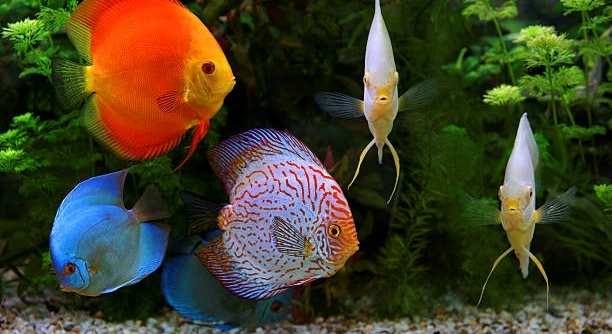
Do discus fish are popular for their vibrant colors and graceful swimming in home aquariums. Many hobbyists focus on water quality and diet, but lighting conditions can also play an important role in their well-being. Proper light management may influence their behavior and health over time.
Discus fish benefit from a consistent light schedule to maintain their natural circadian rhythms and reduce stress. A stable light-dark cycle supports regular feeding, resting patterns, and overall physiological balance, which contributes to healthier and more active fish in captivity.
Understanding the importance of light routines can improve your discus fish care significantly. Maintaining a steady schedule helps create a comfortable environment that supports their natural habits and long-term health.
Why Consistent Lighting Matters for Discus Fish
Maintaining a consistent light schedule for discus fish helps regulate their natural rhythms. These fish come from environments where day and night cycles are predictable, which affects their feeding and resting habits. When the lighting is irregular, discus can become stressed or disoriented. Stress lowers their immune response, making them more vulnerable to illness. Also, consistent lighting helps maintain stable water temperature, as artificial light influences tank heat. Too much light or sudden changes can encourage algae growth, which may reduce water quality. A steady light cycle also encourages regular activity patterns, improving overall fish health and behavior. For many discus keepers, observing their fish under consistent lighting reveals clearer colors and calmer behavior, which are signs of well-being. Setting a timer for aquarium lights is a simple way to maintain this routine without extra effort. Overall, a predictable day-night pattern is vital to keep discus comfortable and thriving in captivity.
Discus fish thrive best with about 10 to 12 hours of light daily. Too much or too little light disrupts their behavior and health.
Regular lighting helps discus fish stay healthy by keeping their internal clock balanced. It reduces stress and promotes better feeding and resting habits.
How to Establish the Right Light Schedule
A reliable lighting schedule begins with understanding the natural habitat of discus fish. They are native to the Amazon basin, where daylight lasts roughly 11 to 12 hours a day year-round. Mimicking this schedule in your aquarium creates a familiar environment that supports their health. It is helpful to use an automatic timer to turn aquarium lights on and off at the same times every day. This consistency avoids sudden changes that can startle the fish. Light intensity should be moderate, not too bright, as discus prefer shaded or dimly lit areas in their natural habitat. Adding floating plants can help diffuse light and create a comfortable environment. During the night, the tank should be completely dark to allow fish to rest properly. Maintaining this balance of light and darkness keeps discus active during the day and calm at night, supporting their overall well-being.
Impact of Light on Discus Fish Behavior
Light influences discus fish activity levels and feeding patterns. Too much light can make them skittish, while too little may reduce their appetite. Finding the right balance helps maintain calm and regular behavior.
Discus fish tend to be more active during daylight hours. When lighting is consistent, they develop a routine of swimming and feeding that aligns with their natural rhythms. Sudden or intense light changes can cause stress, leading to hiding or erratic movements. On the other hand, dim or insufficient lighting may make them less interested in food, which can affect growth and health. Observing how your discus respond to light changes helps determine the best schedule and intensity. Adjusting light gradually and maintaining stable timing prevents unnecessary disturbances.
Behavioral stability through proper lighting also supports breeding. Consistent light helps regulate hormone levels necessary for spawning. Fish that feel secure are more likely to show natural behaviors, including courtship and care for fry.
Tips for Setting Up Aquarium Lighting
Choose an aquarium light that offers adjustable intensity to suit discus needs. LED lights are a good option as they produce less heat and can be dimmed. Setting the light on a timer ensures consistency without daily effort. Aim for around 10 to 12 hours of light per day, reflecting their natural environment. Position the light to avoid glare and harsh reflections, which may stress the fish. Adding plants or decorations can soften the lighting and provide shaded areas. Regularly monitor your discus for signs of stress or changes in behavior to know if lighting adjustments are needed. Keeping the tank dark during the night is crucial for their rest cycle and overall health. Consistent and gentle lighting creates a balanced environment where discus fish can thrive.
Common Mistakes with Aquarium Lighting
Too much light can stress discus fish, causing color fading and hiding behavior. Inconsistent lighting schedules also confuse their internal clocks, leading to erratic activity.
Using overly bright lights or leaving lights on for too long disrupts natural patterns. Sudden changes in light duration or intensity can increase stress and reduce feeding.
Effects of Lighting on Discus Coloration
Proper lighting enhances discus fish colors by stimulating natural pigment development. Balanced light exposure helps maintain vibrant hues without causing stress or fading. Harsh or fluctuating light may dull colors and weaken overall health. Consistent, moderate lighting supports bright, healthy coloration.
Choosing the Right Light Intensity
Moderate light intensity is ideal. Bright lights can overwhelm discus, while dim light may reduce their activity and color vibrancy.
Using Timers for Light Control
Timers help maintain a consistent light cycle, avoiding sudden shifts that can stress fish. They simplify care and ensure stability.
FAQ
How many hours of light do discus fish need daily?
Discus fish generally do best with about 10 to 12 hours of light each day. This range mimics their natural environment and helps regulate their internal clock. Keeping the light on for longer periods can cause stress, while too little light may affect their feeding and activity.
Can I use any type of aquarium light for discus fish?
Not all lights are suitable. LED lights are often recommended because they produce less heat and allow you to adjust brightness. Avoid very bright or harsh lighting, as discus prefer moderate, softer light that resembles shaded areas in their natural habitat.
What happens if the light schedule is inconsistent?
Irregular lighting confuses the fish’s natural rhythms. They may become stressed, less active, or show changes in feeding habits. A consistent light schedule helps discus maintain healthy behavior and supports their immune system.
Should I keep the tank completely dark at night?
Yes, complete darkness at night is important. It allows discus to rest properly and reduces stress. Nighttime light or disturbances can disrupt their sleep patterns, leading to health problems over time.
Can lighting affect discus fish breeding?
Lighting does impact breeding because it influences hormone cycles. Consistent light schedules help maintain stable hormone levels, encouraging natural breeding behavior. Sudden changes or improper lighting can inhibit spawning.
How can I reduce algae growth related to lighting?
Excessive or prolonged lighting encourages algae growth. Keeping light duration to 10–12 hours and using moderate intensity helps control algae. Introducing live plants can also compete with algae for nutrients and create a healthier tank environment.
Is it necessary to dim the lights during the day?
Dimming the lights can make discus feel more comfortable, as they often prefer shaded areas. Using floating plants or adjusting light intensity avoids overly bright conditions, reducing stress and encouraging natural behavior.
Can I use natural sunlight instead of aquarium lights?
Natural sunlight is not ideal because it is hard to control and can cause temperature fluctuations. Direct sunlight may also promote excessive algae growth. Controlled artificial lighting provides a stable environment suited to discus fish needs.
What signs indicate lighting stress in discus fish?
Signs include hiding, color fading, erratic swimming, and reduced appetite. If these occur, check the light intensity and schedule. Adjusting the lighting to a consistent, moderate level usually improves their behavior and health.
How do timers improve discus fish care?
Timers automate lighting, ensuring the aquarium light turns on and off at the same time daily. This consistency prevents sudden changes that stress fish and makes care easier by removing the need to manually manage lighting every day.
Maintaining a consistent light schedule is an important part of caring for discus fish. These fish come from environments where light and dark periods follow a natural pattern. When kept in an aquarium, replicating this pattern helps them stay healthy and comfortable. Proper lighting supports their natural rhythms, which affects their feeding, resting, and overall behavior. It also reduces stress, which can lead to illness or poor health. By keeping a steady light cycle, you create an environment that feels familiar and safe for your discus.
Using the right kind of light and controlling its intensity is just as important as the timing. Discus fish prefer softer, moderate light rather than very bright or harsh lighting. Bright lights can cause stress and make them hide more often, while dim light encourages natural colors and activity. Many hobbyists find that LED lights work well because they produce less heat and can be adjusted for brightness. Adding plants or decorations that create shaded areas can also help mimic the fish’s natural habitat. These details make a big difference in keeping discus fish calm and vibrant.
Timers are an easy way to maintain a consistent lighting schedule without needing to remember daily on and off times. Setting the light to turn on and off automatically ensures your discus receive the same amount of light each day. This consistency supports their internal biological clock and helps them develop regular behaviors. A balanced light-dark cycle improves their health and can even encourage breeding. Overall, paying attention to lighting is a simple yet effective step to help discus fish thrive in home aquariums.

Hello,
If you enjoy the content that we create, please consider saying a "Thank You!" by leaving a tip.
Every little bit helps us continue crafting quality advice that supports the health, happiness, and well-being of pets around the world, for pets of all shapes, sizes, and species.
We really appreciate the kindness and support that you show us!