
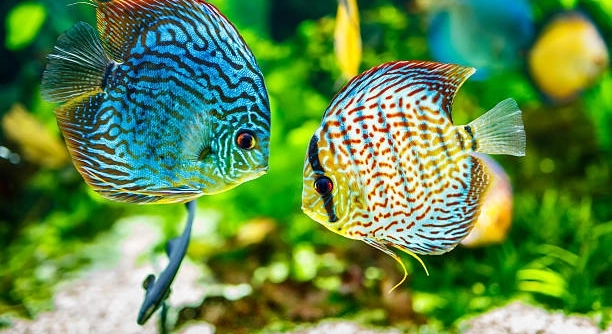
Are your discus fish acting skittish or uneasy in their bare tank setup, even though the water conditions are ideal and clean?
The best ways to make discus feel secure in bare tanks include adding background covers, dimming lights, maintaining a consistent routine, using tank mates carefully, and minimizing sudden movements. These strategies help reduce stress and build trust.
Helping your discus feel at ease is key to their health, behavior, and long-term wellbeing in a minimalist environment.
Add a Background Cover
A bare tank with clear glass on all sides can make discus feel exposed. Adding a solid-colored background helps them feel more secure by blocking visual distractions and reducing reflections. Dark blue or black works best since it mimics the natural aquatic environment. It also helps highlight the discus’s colors without overwhelming them. You can use an adhesive background sheet or even tape colored paper behind the tank. Avoid busy patterns or mirrors, as those may increase stress. A background provides a sense of enclosure, which encourages calmer behavior and more confidence in their space.
Blocking out movement behind the tank makes a difference in how relaxed your discus behave throughout the day.
A background creates a visual barrier that makes the environment feel more stable and protected. When discus don’t feel like something might suddenly appear from behind them, they tend to settle faster. This simple change is often one of the most effective steps you can take when starting with a bare tank setup. Combined with stable lighting and a gentle routine, this can ease stress significantly. Many fishkeepers see positive behavior changes within just a few days of adding a background. It’s a small detail that makes a noticeable impact.
Reduce Bright Lighting
Strong overhead lighting can make discus uneasy, especially in a bare tank with no plants or décor.
Bright lights can amplify reflections and cast sharp shadows, which can startle discus and keep them from relaxing. Since bare tanks lack natural hiding places, the lighting plays an even bigger role in their comfort. Using a dimmable light fixture allows you to soften the brightness. Try setting a consistent light schedule to help the fish feel more at ease. Morning and evening lighting transitions should be gentle. Sudden changes in brightness often cause skittish behavior, especially in newly introduced fish. If your light isn’t dimmable, consider floating plants or a tinted plastic sheet to reduce intensity.
Keeping the lighting low but consistent helps your discus develop a sense of rhythm in their environment. It mimics the filtered lighting they’d experience in natural waters and helps lower their stress levels. Over time, this creates a space where they feel safer and more confident.
Maintain a Consistent Routine
Discus feel more secure when their environment follows a predictable rhythm. Feeding times, water changes, and lighting schedules should happen around the same time each day. Sudden changes can stress them and affect their behavior and appetite. Consistency helps them recognize patterns and feel safe.
Try to keep daily activity around the tank calm and quiet during the same hours. Feed them at regular intervals and avoid shifting the tank location or layout too often. Even small disruptions—like switching their food or changing water temperature too quickly—can unsettle them. Stability in their surroundings helps them adapt and thrive. It may take a few days to notice changes, but once discus recognize your routine, they tend to swim out more confidently and interact more comfortably. Observing their behavior during these routines will also help you understand what keeps them relaxed or causes tension.
Establishing a consistent care pattern has long-term benefits. Discus are sensitive and take time to trust their environment. When they can anticipate what’s coming—whether it’s lights turning on, feeding time, or maintenance—they begin to relax. Avoid rearranging tank items, adjusting temperature, or experimenting with water conditions too frequently. Keep movement near the tank minimal, especially during early morning and night. When you respect their sense of rhythm, you’ll start noticing fewer hiding behaviors and more ease in their swimming patterns.
Use Calm Tank Mates
Avoid pairing discus with overly active or aggressive fish. Peaceful tank mates like cardinal tetras or corydoras catfish help them feel less threatened without competing for food or space. Choose companions that won’t outswim or chase them.
Tank mates should have calm movement and a non-intrusive nature. Fish that nip or dart quickly around the tank can stress discus, especially in a bare setup where there’s no cover to retreat to. Schooling fish with gentle behavior help reinforce a sense of safety. If you’re adding new fish, introduce them slowly and observe interactions closely. Keep the group balanced and avoid overcrowding. Compatibility isn’t just about aggression—it’s also about energy levels and feeding habits. Watch for any changes in your discus’s behavior. If they begin hiding more, refuse food, or show faded colors, a tank mate could be the reason. When chosen carefully, companions can boost your discus’s confidence and make the tank feel more stable.
Minimize Sudden Movements
Quick movements near the tank can startle discus and make them hide. Approach the tank slowly, especially during feeding or cleaning. Keep loud sounds and hand motions to a minimum to avoid stressing them unnecessarily.
If your tank is in a high-traffic area, consider using a visual barrier on one side. This helps shield them from unexpected motion and creates a more stable environment. Calm behavior around the tank encourages discus to stay out in the open instead of retreating to corners.
Keep Water Parameters Stable
Discus are sensitive to changes in temperature, pH, and water hardness. Maintaining consistent parameters reduces stress and keeps them feeling secure. Use a reliable heater and thermometer to avoid temperature swings. Test the water regularly and perform gentle, partial water changes. Sudden shifts—even during cleaning—can unsettle them and lead to erratic behavior. Stick to small, frequent water changes rather than large ones. Avoid adding water that’s too different from the tank’s conditions. If possible, age the new water before use. Discus thrive in soft, slightly acidic water, so it helps to keep those values steady. Stability in their surroundings leads to calm, predictable behavior.
Limit Reflections
Reflections on the glass can confuse discus or make them feel like another fish is nearby. Reduce room lighting or adjust the tank light to help soften reflections, especially on the sides.
How can I tell if my discus feels secure in a bare tank?
A secure discus will swim calmly and display natural behaviors like feeding actively and exploring the tank. They won’t hide constantly or dart nervously at sudden movements. Their colors will appear vibrant, and they may interact more with tank mates. Stress signs include fading colors, clamped fins, or staying in one corner for long periods. If your discus appears relaxed during feeding and swims confidently without frantic movements, it’s a good sign they feel safe.
What’s the best way to introduce new tank mates without stressing discus?
Introduce new fish slowly by quarantining them first to prevent disease. Add tank mates during low-activity times and watch closely for aggressive behavior. Keep the number of new fish small to avoid overwhelming your discus. Gradual introductions let discus adjust without feeling threatened. Avoid species known to nip fins or chase others. If you see stress signs like hiding or refusal to eat, separate the new fish and try a slower introduction later.
Is it necessary to cover the bottom of a bare tank?
Covering the bottom is optional but can help discus feel more comfortable. A bare glass floor reflects light and movement, which can stress fish. Adding a thin layer of fine sand or a dark substrate reduces reflections and creates a softer environment. However, it’s important to keep the tank clean since discus prefer pristine water. If you use substrate, regular maintenance and vacuuming are essential to avoid waste buildup.
How often should I perform water changes for discus in a bare tank?
Frequent, small water changes are best—about 20-30% weekly. This maintains stable water quality without causing sudden shifts that stress discus. Large water changes can shock their sensitive systems, especially in a bare tank where there’s no natural filtration from plants or substrate. Always match the temperature and parameters of new water closely with the tank to prevent upsetting your fish.
Can lighting affect discus behavior in a bare tank?
Yes, bright or flickering lights can stress discus, making them shy or nervous. Dimming lights or using soft, indirect lighting helps create a calm environment. Keeping a consistent light schedule also supports their natural rhythm. Avoid sudden light changes and give them shaded areas or dark backgrounds to reduce glare and reflections.
What should I do if discus keep hiding despite adjustments?
If discus remain hidden, check water parameters carefully—temperature, pH, and cleanliness. Sometimes hidden stressors like ammonia spikes or incompatible tank mates cause fear. Ensure their environment is quiet and stable, and reduce activity near the tank. If hiding continues, try adding some décor like smooth rocks or plants for temporary shelter while they acclimate. Patience is key, as discus can take weeks to feel secure in new setups.
Are there specific feeding tips to help discus feel secure?
Feeding in small amounts several times a day encourages natural behavior and reduces competition. Use high-quality food suited to discus nutritional needs. Feeding at the same times daily helps them associate your presence with positive experiences. Avoid overfeeding, as leftover food pollutes the water and stresses fish. If they’re nervous during feeding, try dropping food gently to avoid sudden movements.
Does tank location impact discus security?
Yes, placing the tank in a low-traffic, quiet area helps discus feel safe. Excess noise, vibrations, or frequent movement nearby can make them skittish. Avoid locations with direct sunlight or where doors frequently open and close. A stable environment promotes calmer fish and better health overall.
Creating a secure environment for discus in a bare tank requires attention to several key details. The absence of plants and decorations can make these fish feel exposed, so steps like adding a background or controlling lighting are important. Consistency in care routines and water parameters helps build trust over time. Discus are sensitive creatures that respond to small changes, so patience and observation are essential. Even small improvements in their environment can lead to noticeable changes in their behavior and overall health.
It is also important to carefully choose tank mates that complement discus rather than compete or cause stress. Peaceful companions with calm behavior can help discus feel less alone and more secure in a minimalist setup. Minimizing sudden movements and reflections around the tank reduces anxiety and encourages discus to explore their space more freely. Water quality plays a crucial role in their wellbeing; stable temperature, pH, and cleanliness are necessary to avoid unnecessary stress. With regular care and thoughtful adjustments, discus can thrive even in bare tanks.
The key to success is creating a predictable, calm environment that respects the discus’s natural behaviors and needs. Every tank and fish is unique, so it is helpful to monitor your discus closely and adjust the setup based on their responses. Providing a quiet, steady habitat with reliable routines makes discus feel safer and happier. Over time, these changes support healthier fish that display their natural colors and behaviors. Making discus comfortable in bare tanks may take effort, but the results are rewarding and improve their quality of life.

Hello,
If you enjoy the content that we create, please consider saying a "Thank You!" by leaving a tip.
Every little bit helps us continue crafting quality advice that supports the health, happiness, and well-being of pets around the world, for pets of all shapes, sizes, and species.
We really appreciate the kindness and support that you show us!