
Many animals show behaviors during breeding that are subtle and easy to overlook. These actions often go unnoticed because they are quiet or happen quickly. Recognizing them can help us better understand animal communication and care.
Breeding behaviors can be complex and varied, often involving subtle movements, sounds, or changes in appearance that are easily missed by casual observers. Identifying these behaviors is essential for proper monitoring and ensuring the wellbeing of animals during their reproductive cycles.
Noticing these small signs can improve how we care for animals and deepen our appreciation for their natural habits. This article highlights seven breeding behaviors that deserve closer attention.
Subtle Courtship Displays
Many animals use quiet movements or small gestures during courtship that are easy to miss. For example, a bird might gently fluff its feathers or perform a brief dance that happens so quickly you might overlook it. These displays can signal readiness to mate or show interest in a potential partner. In some species, soft vocalizations or gentle touches between mates are common. Because these signs are often faint or happen in brief moments, they require careful observation. Missing these cues means missing important information about an animal’s behavior and wellbeing. Watching closely during breeding seasons helps identify these subtle actions, giving a better understanding of how animals interact and express themselves. This attention also aids in ensuring animals have a suitable environment for breeding, free from stress or disruption.
Recognizing subtle courtship can improve how animals are cared for during breeding periods.
When you learn to spot these quiet signals, it becomes easier to support animals’ natural behaviors. This awareness helps in managing breeding programs and creating peaceful habitats that encourage healthy reproduction.
Unseen Nest-Building Activities
Nest-building often happens quietly and in hidden places, making it easy to miss. Animals may collect tiny pieces of material or rearrange their environment in small ways that don’t draw much attention. These actions are essential as they prepare safe spaces for their offspring. Watching for these activities means paying close attention to the animal’s surroundings and changes in behavior. Often, an animal will become more secretive or spend more time in one area during this phase. Understanding this helps caretakers provide proper materials and avoid disturbances that could interrupt the nesting process. Noticing these small changes allows for better support of breeding success and the health of both parents and young.
Nest-building is a vital step in reproduction that often goes unnoticed.
These quiet efforts form the foundation for the next generation. Supporting them ensures animals have the best chance at raising healthy offspring in a safe environment.
Increased Grooming Between Mates
During breeding, animals often groom each other more frequently. This behavior strengthens bonds and signals readiness to mate. It may include licking, nibbling, or gentle brushing, and usually increases as the breeding season approaches.
This grooming helps maintain physical health by keeping fur or feathers clean and free of parasites. It also builds trust between mates, which is important for cooperative breeding and raising young. When animals spend more time grooming each other, it shows they are preparing for closer contact and reproduction. Ignoring this behavior means missing a key sign of bonding and readiness. Caretakers can use this to gauge the timing of mating and ensure the animals’ environment supports their needs.
Observing these grooming habits helps in understanding social dynamics and can prevent stress that disrupts breeding. Supporting natural grooming behavior contributes to a successful reproductive cycle.
Changes in Vocalizations
Animals often change their sounds during breeding. These vocal changes can include more frequent calls, different tones, or unique mating songs that are distinct from regular communication. This shift helps attract mates and establish territory.
Listening carefully to vocal changes is important because it signals when animals are in breeding mode. These sounds can sometimes be soft or brief, so they might go unnoticed without close attention. Understanding vocal patterns also helps distinguish between normal and breeding-related calls, which can guide proper care and management during this time. Noticing these differences allows for better support of natural behaviors and can reduce stress caused by environmental noise or disturbances. Proper acoustic environments are essential for animals to perform these important breeding calls effectively.
Increased Restlessness
Animals may become noticeably restless during breeding periods. This behavior often shows as pacing, frequent movement, or sudden bursts of energy.
This restlessness is linked to hormonal changes and the urge to find or attract a mate. It’s important to recognize these signs to avoid unnecessary stress or injury during this active phase.
Subtle Color Changes
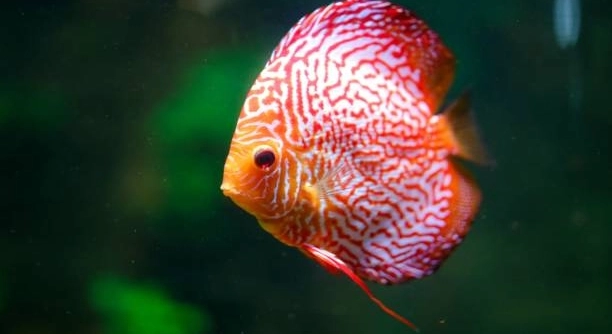
Some animals exhibit small changes in their coloration during breeding. These shifts can be in the form of brighter hues or specific markings becoming more visible.
These color changes serve as visual signals to attract mates or signal reproductive readiness. Paying attention to these subtle shifts can improve understanding of breeding status without disturbing the animals.
Protective Behavior
Animals often become more protective of their space or mates during breeding. This can involve increased alertness or gentle warnings to others nearby.
Recognizing this protective behavior helps prevent conflicts and supports a calm environment, essential for successful breeding.
What are some common signs that breeding behavior is starting?
Breeding behavior often begins with subtle changes, such as increased grooming between mates, restlessness, or slight shifts in vocalizations. Animals may also show more interest in specific areas of their environment, like nesting spots. These early signs can be quiet and easy to miss but indicate readiness to mate. Watching for changes in daily routines or interactions with others helps identify the start of breeding behavior. Noticing these signs early allows for better preparation, like providing a calm space or extra care, which supports successful breeding outcomes.
How can I tell if an animal’s grooming is related to breeding?
When grooming is connected to breeding, it usually increases in frequency and focuses on mutual care between potential mates. This includes gentle nibbling, licking, or brushing that strengthens bonds. Grooming becomes more focused and deliberate compared to everyday cleaning. You might also notice the animals spending more time close together. These behaviors help prepare them physically and emotionally for mating. If grooming happens alongside other signs like vocal changes or restlessness, it’s a strong indicator of breeding activity.
Why do animals become restless during breeding periods?
Restlessness occurs because of hormonal changes and the instinct to find or attract a mate. This can show as pacing, sudden bursts of energy, or increased movement around the environment. Animals may also appear more alert or easily distracted. This behavior is natural but can cause stress or injury if the space is not safe or large enough. Providing an environment that allows movement and reduces stress helps animals channel this energy in healthy ways.
What role do vocalizations play in breeding behavior?
Vocalizations change to attract mates, mark territory, or communicate readiness to breed. These sounds can be softer or louder than normal, and sometimes include unique mating calls or songs. Animals rely on these vocal signals to find partners and establish dominance without physical conflict. Listening closely helps distinguish breeding-related calls from everyday communication, which can be useful for timing care or reducing environmental noise that might disrupt these important sounds.
How important are subtle color changes during breeding?
Color changes act as visual signals to potential mates, showing health and reproductive readiness. These changes might be brighter colors or enhanced markings that are not always obvious. Paying attention to these shifts helps identify when an animal is in breeding condition without disturbing them. This non-invasive observation supports better care and understanding of their natural behavior.
What should I do if an animal shows protective behavior during breeding?
Protective behavior means an animal is guarding its space, mate, or future offspring. This can involve increased alertness or gentle warnings like growling or posturing. It’s important to respect these boundaries and avoid causing stress or provoking aggression. Providing a quiet, secure environment with minimal disruptions helps animals feel safe, which supports successful breeding and healthy social dynamics.
How can missing these subtle breeding behaviors affect animal care?
Missing these signs can lead to stress, missed opportunities for breeding, or misunderstanding the animals’ needs. Without recognizing changes like grooming, restlessness, or vocal shifts, caretakers may not provide the right environment or timing for breeding support. This can result in health problems or unsuccessful reproduction. Paying attention to subtle behaviors helps create conditions that encourage natural breeding and improve overall wellbeing.
Are these breeding behaviors the same across all animal species?
While many breeding behaviors share common themes—like increased grooming, vocal changes, or protective actions—they vary widely between species. Some animals use different signals or behaviors specific to their biology and environment. Understanding the particular traits of each species is important for accurate observation and care. Learning species-specific signs ensures that breeding needs are met appropriately and helps avoid misinterpreting normal behaviors.
Understanding breeding behaviors is important for anyone caring for animals. Many signs are small and easy to miss, but they carry a lot of meaning. Paying close attention to these subtle actions helps us better support animals during important times in their lives. When animals show behaviors like increased grooming, restlessness, or changes in vocalizations, it often means they are preparing to mate or raise offspring. Noticing these signs can help prevent stress and provide a safe, comfortable environment.
Each species has its own unique ways of showing breeding behavior. Some may use quiet movements or slight color changes, while others may increase vocal sounds or show protective actions. Recognizing these differences is key to understanding what an animal needs at each stage. When we observe these behaviors carefully, we can offer better care and help animals feel more secure. This attention to detail supports natural reproduction and promotes the health and happiness of the animals.
In the end, observing breeding behaviors closely benefits both animals and caretakers. It allows for early detection of important changes and helps create conditions that encourage successful mating and raising of young. By respecting these natural signals, we give animals the best chance to thrive. Keeping an open and patient approach to watching these behaviors makes a big difference in how we care for animals during their breeding cycles.

Hello,
If you enjoy the content that we create, please consider saying a "Thank You!" by leaving a tip.
Every little bit helps us continue crafting quality advice that supports the health, happiness, and well-being of pets around the world, for pets of all shapes, sizes, and species.
We really appreciate the kindness and support that you show us!