
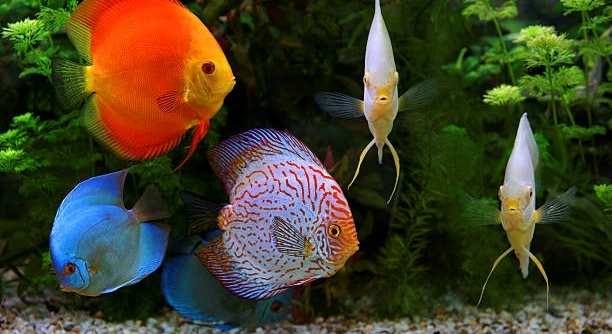
Discus fish are known for their bright colors and calm nature. Many hobbyists enjoy watching how these beautiful fish interact with their environment. Their behaviors can sometimes surprise even experienced fish keepers.
Discus fish respond to changes in light, water temperature, tank mates, feeding routines, and even music or human presence. These reactions are important indicators of their well-being and stress levels in captivity.
Recognizing these subtle responses can improve how you care for your discus fish and create a better environment for them to thrive.
Response to Changes in Light
Discus fish are quite sensitive to light. Sudden changes, such as turning the tank lights on or off quickly, can cause them to hide or become stressed. They prefer a consistent light cycle, usually around 10 to 12 hours of light daily. Too much light can make them nervous, while too little might affect their natural behavior and color. When the lighting dims slowly, discus tend to feel calmer and more secure. Adjusting light levels gradually during feeding times or cleaning helps reduce their stress. Using a timer for the tank lights is a good way to keep the light cycle steady. Proper lighting also encourages their vibrant colors to shine through, making them look healthier and happier. Over time, observing how your discus reacts to light can guide you in creating the best environment. This attention helps keep the fish active and comfortable, promoting a peaceful aquarium atmosphere.
Light changes affect discus behavior noticeably, with gradual lighting adjustments helping maintain calm and reduce stress in the tank.
Keeping lighting steady and gentle ensures discus fish remain relaxed, showing their best colors and natural activity without sudden shocks.
Reaction to Tank Mates
Discus fish can be shy or territorial depending on their tank mates. They do best with peaceful fish that won’t nip at their fins or chase them. Aggressive or very active species can make discus stressed, causing them to hide or stop eating. Choosing calm companions like tetras, corydoras, or small plecos usually works well. It’s important to avoid overcrowding the tank, which can increase stress and lower water quality. Discus fish often form small groups within the tank, which helps them feel safe. When tank mates are well chosen, discus display more natural behaviors and show off their beautiful colors. Watching how your discus interact with other fish can guide adjustments to tank mates or numbers. Keeping a balanced community helps discus maintain good health and reduces the chance of fights or injuries.
Tank mates have a strong impact on discus fish comfort and social behavior.
Careful selection of peaceful companions supports discus well-being, encouraging them to thrive and behave naturally in the aquarium environment.
Sensitivity to Water Temperature
Discus fish are very sensitive to changes in water temperature. Even small fluctuations can cause them to become stressed or ill.
Maintaining a stable temperature between 82°F and 86°F is crucial for discus health. Sudden drops or rises can weaken their immune system and lead to disease. Using a reliable heater and thermometer helps keep the water steady. When changing water or cleaning the tank, it’s important to match the new water temperature closely to avoid shocking the fish. Consistent temperature also supports their digestion and activity levels, allowing discus to feed well and swim comfortably.
Temperature shifts affect discus more than many other fish, making precise control essential. Watching their behavior after temperature changes can show if adjustments are needed to keep them calm and healthy.
Reaction to Feeding Patterns
Discus fish quickly notice changes in feeding routines and food types. Feeding at irregular times or switching food suddenly can cause stress.
A regular feeding schedule builds trust and helps discus feel secure in their environment. They usually eat two to three times daily, with small amounts to avoid leftover waste. Offering a balanced diet including pellets, flakes, and frozen foods supports their growth and coloration. Abruptly changing their food can make them refuse to eat or become nervous. Slowly introducing new foods over several days helps discus adapt better. Feeding at consistent times also reduces competition among tank mates and prevents overeating.
Understanding how discus respond to feeding habits allows for smoother care and healthier fish. Consistency is key to keeping discus active and vibrant.
Reaction to Human Presence
Discus fish often react to people near their tank. They may become curious or shy depending on how often they see humans.
Regular, calm interactions can help discus get used to human presence. Sudden movements, however, tend to startle them and cause stress.
Response to Music and Sounds
Discus fish are surprisingly sensitive to sounds and vibrations. Loud noises or vibrations near the tank can make them hide or swim nervously. Soft background sounds or quiet environments seem to have little effect. Sudden loud sounds, like slamming doors or music with strong bass, can raise their stress levels. Keeping the aquarium area calm and avoiding heavy noise helps discus stay relaxed. Some owners even report discus becoming more active with gentle music, but this varies by fish. Understanding their sound sensitivity helps create a peaceful space for discus to thrive.
Reaction to Water Changes
Frequent water changes are necessary but can cause stress if done too quickly or inconsistently.
How do discus fish react to sudden changes in their environment?
Discus fish are sensitive to sudden changes like quick shifts in light, temperature, or water quality. These changes can cause them to hide, stop eating, or show signs of stress such as clamped fins or erratic swimming. It’s important to make adjustments slowly and carefully. For example, when changing water, adding new water gradually helps them avoid shock. Sudden loud noises or moving decorations abruptly can also disturb them. Keeping the tank environment stable helps discus feel secure and behave naturally. If you notice unusual behavior after a change, it’s best to check water conditions and surroundings right away.
Can discus fish recognize their owners or people around them?
Discus fish don’t recognize people the way pets like dogs or cats do, but they do notice regular presence and movement near their tank. They can learn to associate your presence with feeding time or tank maintenance. Over time, they may swim closer to the glass when you approach, showing curiosity rather than fear. Sudden or aggressive movements can scare them, so calm and gentle behavior is best. Regular interaction helps discus feel more comfortable with humans, reducing stress and encouraging natural activity.
What are the signs that discus fish are stressed?
Stress in discus can show through changes in behavior and appearance. Common signs include hiding more often, refusing food, clamped fins, pale colors, or rapid breathing. They may also swim erratically or isolate themselves from other fish. Stress often results from poor water quality, sudden environmental changes, aggressive tank mates, or inconsistent feeding. Keeping water clean, stable, and maintaining a calm environment reduces stress. If stress signs persist, testing water parameters and reviewing tank setup are important steps to protect their health.
How important is water quality for discus fish?
Water quality is one of the most critical factors in keeping discus healthy. They require clean, well-filtered water with stable parameters. Poor water quality can lead to stress, illness, and even death. Regular testing for ammonia, nitrite, nitrate, and pH levels helps catch problems early. Frequent water changes and gentle filtration support a healthy environment. Discus are especially sensitive to ammonia and nitrites, so avoiding spikes is key. Maintaining soft, slightly acidic water mimics their natural habitat and keeps them comfortable. Good water quality supports their immune system and vibrant colors.
Do discus fish respond differently to various types of food?
Yes, discus fish can react to different foods in distinct ways. They prefer a varied diet including high-quality flakes, pellets, frozen or live foods like bloodworms and brine shrimp. Sudden changes in diet may cause them to refuse food or become stressed. Slowly introducing new foods over several days helps discus adjust. A balanced diet improves their health, color, and energy. Feeding too much or leftover food can harm water quality, increasing stress. Observing their eating habits helps identify preferences and any issues early on.
Can discus fish get used to background noise or music?
Discus fish are sensitive to sound and vibrations, but many get used to low-level background noise or soft music over time. Loud or sudden sounds can startle or stress them, causing hiding or erratic swimming. Gentle, consistent sounds may even help some discus feel more relaxed, though this varies by individual fish. Keeping the aquarium area quiet during stressful times like feeding or cleaning supports their well-being. Avoid placing the tank near speakers or noisy appliances to minimize disturbances.
How do discus fish behave during breeding?
During breeding, discus become more territorial and may chase away other fish. They often clean a flat surface like a leaf or tank glass for egg laying. Both parents typically care for the eggs and fry, fanning them to keep clean and protect from fungus. Breeding discus may lose some of their bright coloration temporarily due to stress. They also may reduce feeding or become more aggressive during this time. Providing a calm, low-traffic environment supports successful breeding and healthy fry development.
What should I do if my discus fish seem sick or inactive?
If discus appear sick or inactive, first check water parameters to rule out poor water quality. Stress, illness, or parasites can cause lethargy and loss of appetite. Isolate sick fish if possible to prevent spreading disease. Ensure proper temperature and clean water. Feeding a high-quality diet and avoiding overfeeding can support recovery. If symptoms continue, consulting a vet or aquarium specialist is important. Early action improves chances for recovery and prevents serious health problems. Monitoring behavior daily helps catch issues early.
Discus fish are beautiful and unique pets that react to many things in their environment. Their responses to light, temperature, tank mates, feeding habits, and even sounds show how sensitive they are. Understanding these reactions helps in creating a calm and healthy space for them to live. When you pay attention to their behavior, you can spot early signs of stress or discomfort. This knowledge allows you to make small changes that improve their well-being and keep them active and colorful.
Maintaining stable water conditions is especially important for discus fish. Sudden changes in temperature or water quality can affect their health quickly. Keeping a regular schedule for feeding and water changes supports their natural routines and reduces stress. Also, choosing peaceful tank mates ensures discus don’t feel threatened or overwhelmed. They do better in calm environments where they can swim freely without fear. Regular observation helps you understand how your discus reacts to different situations and what makes them comfortable.
Taking care of discus fish requires patience and attention, but the rewards are worth it. Watching these fish thrive when their needs are met is satisfying. Small efforts like gentle lighting changes, consistent feeding, and quiet surroundings make a big difference. Every discus is a little different, so learning their unique responses helps you care for them better. With time and care, discus fish can live happily and show their best colors, adding beauty to any aquarium.

Hello,
If you enjoy the content that we create, please consider saying a "Thank You!" by leaving a tip.
Every little bit helps us continue crafting quality advice that supports the health, happiness, and well-being of pets around the world, for pets of all shapes, sizes, and species.
We really appreciate the kindness and support that you show us!