
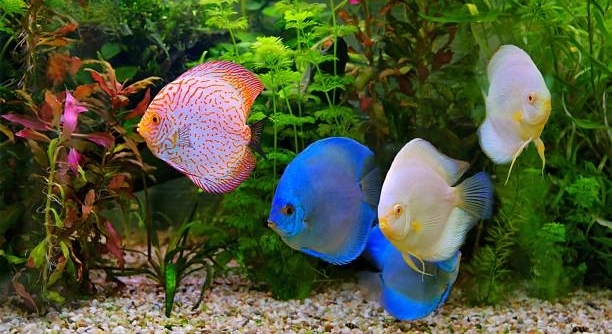
Discus fish are popular pets for many aquarium lovers. They look calm and peaceful, but there are hidden things that can make them feel scared. Understanding these fears can help keep your discus happy and healthy.
Discus fish can be frightened by sudden changes in their environment, poor water quality, aggressive tank mates, bright lights, loud noises, overcrowding, and improper feeding routines. These stressors affect their behavior and overall well-being significantly.
Knowing what causes fear in discus fish can improve your care routine. This article will help you recognize and prevent those hidden threats.
Sudden Changes in Environment
Discus fish thrive in stable conditions. Sudden shifts, like changing the tank’s temperature or rearranging decorations, can cause them to feel unsafe. These fish are sensitive to quick moves because they rely on familiarity to stay calm. When their environment changes too fast, it disrupts their routine and stresses them out. Even something as small as moving plants or cleaning the tank too aggressively can create anxiety. Consistency helps discus fish feel secure and encourages healthy behavior. Keeping water parameters steady and avoiding sudden changes will support their well-being. Taking small steps to introduce changes slowly can prevent unnecessary fear. This is important because stressed discus often stop eating and hide, which can lead to illness.
Stress caused by sudden environmental shifts may weaken their immune system, making them vulnerable to disease.
Maintaining a stable environment requires patience. Gradually adjusting water temperature by only a few degrees a day and slowly introducing new decorations helps the fish adjust. Avoid drastic changes like swapping out too many tank items at once. Monitoring their behavior during these times shows if they are coping well. A calm, familiar setting is key to keeping discus relaxed and healthy over time.
Poor Water Quality
Poor water quality can be a major stress factor for discus fish. They need clean water with the right balance of chemicals to feel safe. If ammonia, nitrites, or nitrates build up, it harms their health and scares them. Cloudy or dirty water also makes them uneasy, as it mimics unsafe conditions in the wild. Regular water testing and changes are essential to keep their tank safe. Even small shifts in pH or hardness can cause discomfort. When water conditions are poor, discus fish may become lethargic, hide more, or lose appetite. Good filtration and regular maintenance prevent these problems. Keeping the water fresh and balanced helps discus fish feel secure and encourages them to thrive in captivity. Paying attention to water quality is one of the easiest ways to avoid unseen stress.
Discus fish are sensitive to water quality, so routine testing and cleaning are necessary for their comfort.
Making water changes every week, about 25-30%, keeps the tank clean without shocking the fish. Using a reliable test kit helps monitor ammonia, nitrite, nitrate, pH, and hardness levels. If any levels fall outside the ideal range, immediate action is needed. Overfeeding can worsen water quality, so feed small amounts and remove uneaten food. A well-maintained filter system helps keep water clear and safe. Watching your discus closely for signs of stress can guide when more care is needed. Clean water is the foundation for a healthy tank and happy discus.
Aggressive Tank Mates
Aggressive fish scare discus by chasing or nipping at them. This causes constant stress and forces discus to hide.
Discus are peaceful fish and do best with calm, non-aggressive tank mates. Aggressive species compete for food and space, making discus feel threatened. This stress can weaken their immune system and lower their lifespan. To protect your discus, choose peaceful companions like tetras or Corydoras catfish. Avoid fin-nippers or territorial fish that may bully them. A calm tank environment encourages discus to show their natural colors and behaviors without fear. Observing how fish interact helps you spot any signs of bullying early.
Tank size also matters. Smaller tanks increase aggression because of limited space. A larger tank with plenty of hiding spots reduces tension. Adding plants or decorations provides safe places for discus to retreat when needed. This balance creates a peaceful community where discus can thrive.
Bright Lights
Bright lights often scare discus because they prefer dim, gentle lighting similar to their natural habitat. Harsh lights can cause them to hide or become restless.
Excessive lighting disturbs their comfort and normal activity patterns. Discus come from shaded river environments, so intense illumination feels unnatural. Keeping lighting soft or providing shaded areas in the tank helps reduce their stress. Using a timer for lights ensures a stable day-night cycle, which supports their health. Sudden bright flashes, like camera flashes or overhead lights, can startle discus and increase anxiety. Allowing periods of low light or darkness gives them time to relax. Adjusting the brightness to mimic natural conditions encourages feeding and natural behavior. This simple change can improve their overall well-being and display.
Loud Noises
Loud noises frighten discus because they sense vibrations in the water. This makes them uneasy and causes stress.
Sudden sounds from slamming doors, music, or talking loudly near the tank can startle them. Keeping the aquarium in a quiet spot helps discus feel safe and calm.
Overcrowding
Too many fish in one tank increases stress for discus. Overcrowding limits swimming space and causes competition for food.
When discus are crowded, they become more aggressive or hide often. Overcrowding also worsens water quality, making the tank less healthy. Maintaining proper fish numbers and giving each discus enough space improves their comfort and health. It is best to follow stocking guidelines and provide at least 10 gallons per adult discus. This helps reduce stress and promotes natural behavior.
Improper Feeding Routines
Feeding discus irregularly or with poor-quality food causes fear and health problems. They depend on consistent feeding for security and energy.
Skipping meals or offering unsuitable food leads to stress, weak immune systems, and poor growth. A balanced diet and regular feeding schedule keep discus healthy and confident in their environment.
FAQ
What are the signs that my discus fish is scared?
When discus fish feel scared, they often hide more than usual. They might swim nervously or stay at the bottom or corners of the tank. You may notice a loss of appetite or changes in color, such as dull or faded hues. Rapid breathing or flared gills can also indicate stress. These signs show that something in their environment is making them uncomfortable.
How can I reduce stress for my discus fish?
Keeping water clean and stable is the best way to reduce stress. Avoid sudden changes in temperature or tank layout. Choose peaceful tank mates and provide enough space. Soft lighting and quiet surroundings help too. Feeding a balanced diet on a regular schedule supports their health and reduces fear.
Is it okay to keep discus with other fish?
Discus can live with other fish if those fish are peaceful and compatible. Avoid aggressive or very active species that might stress them out. Small tetras, Corydoras catfish, and some dwarf cichlids are good companions. Always watch how your discus interacts with new tank mates.
How often should I change the water in my discus tank?
Water changes should be done regularly, about 25-30% each week. This helps keep ammonia and nitrate levels low, which is crucial for discus health. Frequent small changes are better than rare large ones. Always use treated water that matches the tank’s temperature and pH.
Can loud noises outside the tank really affect discus fish?
Yes, discus can feel vibrations through the water caused by loud noises nearby. This can startle and stress them. Keeping the aquarium in a quiet, stable location reduces this problem and helps them feel safer.
What temperature is best for discus fish?
Discus prefer warm water, usually between 82°F and 86°F (28°C to 30°C). Temperatures outside this range can make them uncomfortable or sick. Keeping a stable temperature within this range supports their immune system and natural behavior.
Why does my discus hide so much?
Hiding often means the fish is stressed or scared. Causes include aggressive tank mates, poor water quality, bright lights, or sudden changes. Make sure the environment is calm, the water is clean, and the lighting is soft. Providing hiding places like plants or caves also helps them feel secure.
What type of food is best for discus fish?
High-quality flakes, pellets designed for discus, frozen or live foods like bloodworms, brine shrimp, and beef heart are good choices. A varied diet provides necessary nutrients. Avoid overfeeding, which can pollute the water and harm your fish.
Can I keep discus fish in a community tank?
Discus can be kept in community tanks if the other fish are peaceful and water conditions are ideal. Overcrowding or aggressive species can cause fear and illness. Always research tank mates and monitor the discus’ behavior closely.
How do I know if water parameters are safe for discus?
Use test kits to check ammonia, nitrites, nitrates, pH, and hardness regularly. Ammonia and nitrites should be zero, nitrates low. pH between 6.0 and 7.5 is ideal, with soft to moderately hard water. Keeping these stable prevents stress and sickness.
Discus fish are beautiful and peaceful creatures that need special care to stay healthy and happy. Understanding what scares them without us noticing is important. Many things in their environment can cause stress, even if they seem calm on the surface. Sudden changes, poor water quality, and aggressive tank mates are some of the main reasons discus become scared. These fears affect their behavior and health, so it is important to keep their surroundings stable and comfortable.
Keeping water clean and maintaining a steady temperature are simple but powerful ways to protect your discus. Changing water regularly and checking its quality help prevent harmful chemicals from building up. Also, avoid loud noises or bright lights near the tank because discus prefer quiet and dim places, similar to their natural habitat. Providing enough space and peaceful tank mates reduces stress too. When discus feel safe, they show their natural colors and act more active, which is a sign they are comfortable.
Feeding your discus on a regular schedule with good quality food helps build their strength and trust in their environment. Overfeeding or feeding poor-quality food can cause health problems and make them uneasy. Creating a calm, stable, and well-maintained tank is the best way to keep discus fish from feeling scared. Paying attention to these small details will improve their life and allow you to enjoy their beauty and peaceful nature for a long time.

Hello,
If you enjoy the content that we create, please consider saying a "Thank You!" by leaving a tip.
Every little bit helps us continue crafting quality advice that supports the health, happiness, and well-being of pets around the world, for pets of all shapes, sizes, and species.
We really appreciate the kindness and support that you show us!