
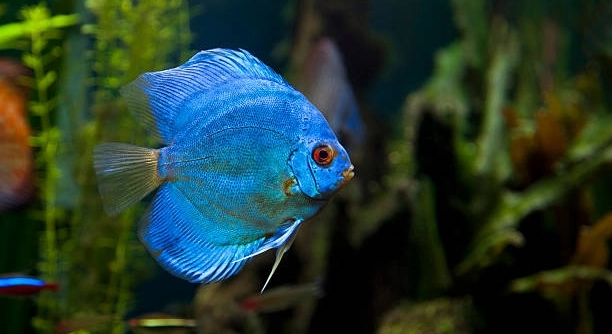
Keeping a discus tank lid tightly secured is often overlooked by many aquarium enthusiasts. It might seem like a simple detail, but this small step can significantly affect the health and safety of your fish. Properly managing the tank lid is essential for a stable environment.
A tight discus tank lid prevents fish from jumping out, reduces evaporation, maintains consistent water temperature, limits contamination, controls humidity, reduces noise, and helps keep the tank secure from pets or children. These factors are critical for the wellbeing of discus fish.
Understanding the importance of a secure lid can help maintain the tank’s environment and protect your discus fish in many ways throughout daily care and maintenance. This article explains seven key reasons why keeping the lid tight matters.
Preventing Fish from Jumping Out
Discus fish are known for their curious and sometimes unpredictable behavior. One important reason to keep the tank lid tight is to prevent them from jumping out. Even a small gap can be an invitation for a discus to leap, especially if they are startled or stressed. Jumping out can lead to injury or death, which is avoidable with a secure lid. This simple precaution keeps your fish safely inside their habitat, reducing the risk of accidents. Over time, the lid also helps maintain stable tank conditions, which contribute to the fish’s comfort and calmness, lowering the chances of jumping.
A tight lid ensures your discus remain safely in the water and prevents accidental escapes that can be harmful or fatal.
Maintaining a secure tank lid is a straightforward way to protect your discus. Fish can be very sensitive to sudden movements or loud noises, and the lid acts as a physical barrier. It keeps them contained and reduces their stress levels by providing a stable environment. If a fish jumps and lands outside the tank, it can suffer from physical trauma or even die from exposure. Avoiding this risk is critical for responsible tank care and contributes to the overall health and longevity of your discus fish.
Reducing Water Evaporation
Water evaporation is a common issue in discus tanks without tight lids. When the lid is loose or missing, water evaporates faster, causing water levels to drop frequently. This means more time spent topping off the tank and risks changes in water chemistry. Frequent water replacement can lead to sudden shifts in temperature, pH, and hardness, which stress discus fish and affect their health. A tight lid limits evaporation, helping keep water parameters stable and reducing maintenance efforts.
Limiting evaporation supports a consistent environment and reduces the need for constant water refills.
By minimizing evaporation, a secure lid helps maintain a stable aquatic environment, crucial for discus fish, which are sensitive to changes in water quality. Keeping evaporation low also preserves the tank’s temperature, reducing fluctuations that can shock fish. Stability in water parameters promotes better immunity and less stress. This means healthier, more vibrant discus fish. A tight lid also keeps humidity in check around the tank area, preventing moisture damage to furniture and floors nearby. Overall, controlling evaporation with a lid creates a safer, more controlled habitat for your discus fish and simplifies routine tank maintenance.
Maintaining Consistent Water Temperature
A tight discus tank lid helps keep the water temperature steady. Without it, heat escapes easily, causing fluctuations that can stress the fish.
Temperature changes can be harmful to discus fish, which thrive in stable conditions. When the lid is loose, warm air escapes, and cooler air from the room enters, lowering the water temperature. This forces the heater to work harder, which is inefficient and may cause uneven heating. Fluctuating temperatures weaken the fish’s immune system, making them more vulnerable to diseases. By securing the lid, the tank maintains a consistent temperature, promoting a healthy environment.
Stable water temperature is essential for discus fish to grow and stay healthy. A well-sealed lid reduces temperature swings, creating a calm and comfortable habitat that supports their natural behavior and reduces stress. Maintaining this balance reduces the risk of illness and ensures the fish remain active and vibrant.
Limiting Contamination
A tight lid limits dust, debris, and contaminants from entering the tank. This keeps the water cleaner and safer for your discus fish.
Open tanks are more exposed to airborne particles, dust, and household chemicals, which can settle on the water surface and harm water quality. Contaminants like aerosols, cleaning sprays, or even cooking fumes can enter and affect the fish’s health. A secure lid acts as a barrier, protecting the water from these external pollutants. This reduces the frequency of water changes needed to maintain a clean environment and helps keep the tank’s delicate ecosystem balanced and stable for your discus.
Controlling Humidity Around the Tank
A tight lid helps control humidity levels around your discus tank. This prevents excess moisture from building up in the surrounding area, protecting furniture and walls.
Without a lid, water evaporates more quickly and increases humidity. This can cause damage to nearby surfaces and encourage mold growth.
Reducing Noise
A secured lid muffles noises from water movement and equipment, creating a quieter environment for both the fish and the room.
Lower noise levels reduce stress for discus fish, as they are sensitive to loud or sudden sounds. This contributes to a more peaceful tank atmosphere.
Keeping Pets and Children Safe
A tight discus tank lid protects the fish from pets and children who might accidentally disturb the tank or harm the fish.
Ensuring the tank is secure prevents accidents and maintains a safe space for your discus, avoiding unnecessary stress or injury.
FAQ
Why is it important to keep the discus tank lid tight?
Keeping the lid tight prevents discus fish from jumping out, reduces evaporation, and helps maintain stable water conditions. It also keeps contaminants, dust, and household debris from entering the tank. A secure lid protects the fish from stress caused by sudden temperature or water changes. Additionally, it reduces noise and controls humidity around the tank, which benefits both the fish and the room’s environment.
Can discus fish jump out of the tank easily?
Yes, discus fish are known to jump when startled or stressed. Even small gaps in the lid give them the chance to leap out. Jumping can cause injury or death, so a tight lid is a simple and effective way to prevent this risk and keep the fish safe inside their tank.
How does a tight lid reduce water evaporation?
A closed lid limits the surface area exposed to air, which slows down the evaporation process. Without a lid, warm water evaporates quickly, causing water levels to drop and requiring more frequent refills. This helps maintain consistent water chemistry and temperature, which is crucial for discus fish health.
Will keeping the lid tight affect tank maintenance?
Yes, a tight lid generally reduces the frequency of topping off water due to less evaporation. It also helps keep debris and dust out, which can lower the need for water changes caused by contamination. Maintenance becomes more predictable and manageable with a sealed tank.
Can a tight lid help with maintaining water temperature?
Definitely. A secure lid helps trap heat inside the tank, reducing temperature fluctuations caused by room air. Discus fish require stable temperatures, and a tight lid supports this by preventing heat loss and ensuring the heater works more efficiently.
Does a tight lid affect the humidity around the tank?
Yes, it controls humidity by reducing water evaporation. High humidity can damage furniture and walls nearby and encourage mold growth. A closed lid keeps moisture levels balanced, protecting your home environment as well as the tank.
Is noise reduction a benefit of a tight discus tank lid?
Yes, lids help muffle sounds from filters, air pumps, and water movement. This makes the tank environment quieter, which reduces stress for discus fish. Lower noise also improves comfort in the room where the tank is placed.
Are there safety concerns with pets or children around an open discus tank?
Yes, an open tank is vulnerable to pets or children accidentally knocking over equipment or disturbing the fish. A tight lid acts as a protective barrier, preventing pets or kids from reaching into the tank or harming the fish. This safety measure avoids accidents and keeps the fish stress-free.
Can I use any type of lid for my discus tank?
It is best to use a lid made from durable, waterproof materials like glass or acrylic that fit securely without gaps. Avoid flimsy lids or ones that don’t seal well, as they may fail to prevent evaporation or fish escapes. A proper fit is essential for the benefits described.
What if my discus tank has a built-in canopy or hood?
Even built-in canopies should fit tightly. Check for any gaps or loose areas that might allow fish to jump out or let evaporation increase. If gaps exist, consider modifications or sealing to improve the fit and protect your discus.
How often should I check the tightness of the tank lid?
Regular checks are recommended, especially after cleaning or maintenance. Ensure the lid sits flush and securely every time you access the tank. Consistent lid care prevents issues before they start.
Will a tight lid affect oxygen exchange in the tank?
While a lid limits evaporation, it can slightly reduce gas exchange at the water surface. However, proper filtration and aeration systems typically maintain enough oxygen for discus fish. If you notice low oxygen levels, consider adding an air stone or adjusting equipment to ensure good aeration.
Are there alternatives to a tight lid for evaporation control?
Covers like mesh or screen tops can reduce evaporation somewhat but usually do not prevent fish from jumping out or block contaminants effectively. For discus tanks, a solid, tight-fitting lid is generally the best option to balance safety and water quality.
What should I do if my discus still jumps even with a lid?
If fish continue to jump, check for stress causes like poor water quality, incorrect temperature, or tank disturbances. A tight lid minimizes escapes but addressing underlying stress factors is key to preventing jumping behavior.
Can a tight lid help keep the tank environment more stable overall?
Yes, it contributes to overall tank stability by maintaining temperature, limiting evaporation, preventing contamination, and reducing stress for your discus fish. This stability supports healthy growth and long-term wellbeing.
Keeping a discus tank lid tight is a small step that makes a big difference in maintaining a healthy and stable environment for your fish. The lid helps prevent discus fish from jumping out, which can be dangerous for them. It also reduces water evaporation, so you don’t have to add water as often, and it helps keep the temperature steady. These factors all work together to keep your discus comfortable and less stressed. A stable environment is very important for the wellbeing of discus fish since they are sensitive to changes in their surroundings.
Another important benefit of a tight lid is that it protects the tank from dust, dirt, and household contaminants. Open tanks can collect particles from the air or nearby activities, which can lower water quality and affect the health of your fish. The lid acts as a barrier that keeps these unwanted materials out. It also helps control the humidity around the tank, which protects furniture and walls from moisture damage. Having a secure lid makes tank maintenance easier and less time-consuming because you don’t have to deal with constant cleaning or water changes caused by pollution or evaporation.
Lastly, a tight discus tank lid increases safety for both your fish and your home. It prevents pets or children from accidentally disturbing the tank or harming the fish. Noise reduction is another benefit because the lid muffles sounds from equipment, making the environment calmer for your discus and more pleasant for anyone nearby. Overall, securing the lid is an important step that supports the health of your discus fish, protects your living space, and simplifies care routines. Taking this simple precaution helps ensure that your discus tank remains a safe, comfortable, and enjoyable place for your fish to thrive.

Hello,
If you enjoy the content that we create, please consider saying a "Thank You!" by leaving a tip.
Every little bit helps us continue crafting quality advice that supports the health, happiness, and well-being of pets around the world, for pets of all shapes, sizes, and species.
We really appreciate the kindness and support that you show us!