
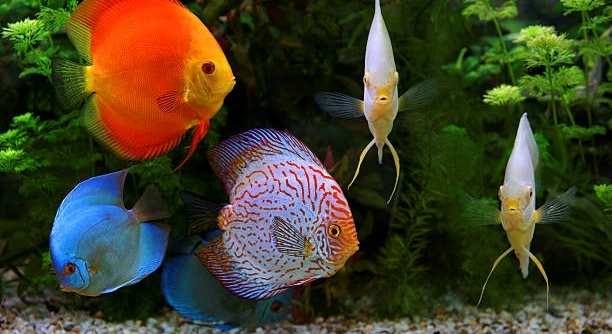
Is your discus fish spending all day resting at the bottom of the tank, barely moving and not interacting like it used to? This kind of behavior can leave fishkeepers feeling uncertain about what’s going wrong.
Discus fish often rest at the bottom due to stress, poor water quality, illness, or sudden environmental changes. Identifying the root cause quickly is essential, as these sensitive fish require stable conditions to thrive and stay active.
Learning what triggers this behavior can help you respond with care. Simple adjustments and close observation may restore your discus to good health.
Common Reasons Your Discus Is Resting at the Bottom
Discus fish are known for their calm, graceful nature, but when they start resting at the bottom all day, something may be off. One of the most common reasons is poor water quality. Even small changes in ammonia, nitrite, or nitrate levels can stress them out. Other possible reasons include sudden shifts in temperature, low oxygen levels, or loud vibrations near the tank. Internal parasites, infections, or swim bladder issues might also be the cause. If your discus stops eating or its color fades, this could be a sign of illness. Stress from new tank mates or changes in the aquarium setup can also affect behavior. It’s important to look at all factors, not just one. Regular testing and observation help you catch problems early.
Sometimes they need rest, but too much time at the bottom usually points to something else.
Make sure to monitor patterns. That’s how you’ll know if it’s temporary rest or a health issue.
A stable environment helps discus feel safe and act normally. Keep the tank clean with weekly water changes and proper filtration. Watch out for uneaten food and test the water regularly. Avoid big temperature shifts or overcrowding. If you suspect illness, isolate the fish and seek advice from a vet or aquarium expert. It can also help to reduce loud noises or sudden movements around the tank, as discus fish are easily startled. Feeding high-quality food and keeping a regular light schedule can also improve their energy and behavior. Don’t forget to check if the tank mates are peaceful—aggressive fish may bully your discus and cause them to hide. Observing these small things each day can lead to a healthier tank and more active discus.
How to Respond When You Notice the Change
Start by checking water parameters right away. Most behavior changes come from water quality or sudden environmental shifts.
If your discus is staying at the bottom, begin with a full check of the tank. Measure ammonia, nitrite, nitrate, and pH. Make sure the temperature is between 82°F and 86°F. Look for signs of bloating, white stringy poop, or color changes—these may signal an infection or parasite. If anything seems off, do a partial water change and improve aeration. Try feeding a small amount of medicated food, if needed, and reduce feeding until behavior improves. If the fish stays inactive for more than a few days, it may be time to consult a specialist. Sometimes, moving the fish to a hospital tank for treatment can help reduce stress and allow for closer monitoring. Stay calm, act early, and focus on small changes. Your discus will respond best to a peaceful and steady environment.
Signs That It’s More Than Just Resting
If your discus is breathing heavily, refusing food, or showing clamped fins, these are signs of more than just resting. Unusual swimming, like tipping to the side, can also suggest something more serious is going on.
Sometimes the signs are subtle. You might notice the fish doesn’t greet you at feeding time, or it keeps hiding in the same corner. It may also change color, becoming darker or paler. These signs often show up before a major health issue becomes obvious. Watching closely each day helps you catch these early. Don’t assume your fish is just tired. Look for any mucus buildup, frayed fins, or signs of bloating. If more than one fish is acting this way, check for something wrong in the tank environment. It’s all about noticing what’s different from their normal behavior.
Behavior changes often show up before physical symptoms. If your discus used to swim actively and now rests more, it’s worth checking everything in the tank. Watch for twitching, flashing against surfaces, or rapid gill movement. These can point to stress, parasites, or even poor oxygen levels. If your fish separates itself from others, that’s another warning sign. Healthy discus usually move together. Anything that feels off should be taken seriously. Keeping a log of their habits can help you track patterns over time and notice changes earlier. Simple things like how they swim, eat, or breathe give you clear signals when something’s wrong.
Creating the Right Tank Conditions
The right tank setup makes a big difference in how discus behave. Clean water, stable temperature, and calm surroundings help prevent stress-related issues. Avoid sudden changes that can throw your discus off balance.
Stick to a routine with water testing and weekly water changes. Keep the temperature steady between 82°F and 86°F. Discus fish like soft, slightly acidic water, so aim for a pH between 6.0 and 7.0. Use a reliable heater and test strips or digital kits to track changes. Always treat tap water with conditioner to remove chlorine and other harmful chemicals. Keep the tank in a quiet spot, away from loud noises or constant movement. These fish respond well to a peaceful space. A good filter is essential, but make sure the current isn’t too strong. Lighting should also follow a consistent schedule to help the discus feel secure.
The layout of your tank also matters. Add tall plants or driftwood to create hiding spots without crowding the space. Make sure there’s enough room for your discus to swim freely. Avoid sharp decorations that might injure them. Use a dark or neutral substrate to help them feel less exposed. A well-placed sponge filter can also improve oxygenation without stressing the fish with too much flow. Monitor how tank mates interact—choose peaceful species that won’t nip or chase. Feed a mix of high-quality pellets and frozen foods to support their health. If feeding live food, make sure it’s safe and clean. All these choices create a safe and balanced tank that keeps your discus active and off the bottom.
When to Isolate Your Discus
If one discus is showing signs of illness while the others seem fine, it’s best to isolate it. Moving the fish to a separate tank lets you monitor it closely and begin treatment without stressing the rest of the group.
Use a hospital tank with clean, cycled water and matching temperature. Add gentle aeration and keep lighting low. Avoid feeding for the first 24 hours to reduce stress, then offer light, high-quality food. Observe its behavior and appearance daily to track changes.
Medications and When to Use Them
Only use medications when you’ve ruled out water issues and are seeing symptoms like white spots, bloating, or frayed fins. Treating the main tank can harm healthy fish or helpful bacteria. Isolate the sick discus before starting treatment. Use trusted brands, and always follow the instructions carefully—never guess the dosage. Some common treatments include antiparasitic meds, antibacterial agents, or antifungal solutions. If you’re unsure, consult an aquarium specialist first. Monitor the fish for side effects and stop treatment if things worsen. After treatment, do regular water changes and reintroduce the fish slowly to avoid another round of stress.
Keeping Things Consistent
Sticking to a steady routine keeps discus calm. Sudden changes in water, light, or food often trigger stress or illness.
FAQ
Why is my discus fish resting at the bottom but still eating?
Sometimes discus rest at the bottom to conserve energy or because they feel safe in a certain spot. If your fish is still eating well and shows no other signs of illness, it might just be relaxing. Keep watching for any behavior changes or physical symptoms to be sure.
Can poor water quality cause discus to stay at the bottom?
Yes. Poor water quality is a common reason discus rest at the bottom. High ammonia, nitrites, or nitrate levels stress fish and affect their health. Make sure to test the water regularly and perform weekly water changes to keep it clean and stable.
How long can discus stay at the bottom before it becomes a problem?
If your discus is resting at the bottom for a few hours, it may just be normal behavior. However, if it stays there all day for multiple days, especially without eating, it usually indicates a problem. Monitor the fish closely and check water conditions.
Could temperature issues cause my discus to stay at the bottom?
Discus prefer warm, stable water between 82°F and 86°F. If the temperature is too low or fluctuates frequently, the fish may become lethargic and stay near the bottom. Use a reliable heater and thermometer to maintain a steady temperature.
Is it normal for discus to rest at the bottom after being introduced to a new tank?
Yes, new environments can stress discus. They may rest more as they adjust. Keep the environment calm, stable, and free from sudden changes during this time. If they don’t become more active after several days, check water and health conditions.
Can tank mates affect my discus’s behavior?
Aggressive or overly active tank mates can stress discus, causing them to hide or rest at the bottom. Choose peaceful species and observe interactions. Remove any fish that bully or chase your discus to reduce stress.
How often should I test the water to prevent issues?
Testing water weekly is a good practice. Check ammonia, nitrite, nitrate, pH, and temperature. Early detection of poor water conditions helps prevent stress and illness in discus.
What foods help keep discus healthy and active?
High-quality pellets, frozen bloodworms, brine shrimp, and specially formulated discus food work well. Feeding a varied diet ensures they get all necessary nutrients. Avoid overfeeding to prevent water quality problems.
How can I tell if my discus is sick and not just resting?
Signs of illness include loss of appetite, clamped fins, rapid breathing, color fading, bloating, or abnormal swimming patterns. If you notice any of these, test water quality and consider isolating the fish for treatment.
Should I do water changes if my discus is resting at the bottom?
Yes, regular water changes help maintain clean, healthy water, which supports your discus’s recovery. Change 20-30% of the water weekly, and remove uneaten food to avoid harmful buildup.
Is it okay to leave my discus alone when it’s resting at the bottom?
Resting is normal sometimes, but don’t ignore your fish. Keep watching for changes in behavior, appetite, or appearance. If anything seems off, act quickly to improve tank conditions or seek advice.
What is the best way to isolate a sick discus?
Use a small, clean hospital tank with similar water parameters as the main tank. Avoid strong currents and keep lighting soft. This reduces stress and helps you monitor and treat the fish easily.
Can lighting affect discus behavior?
Yes, too much or sudden changes in lighting can stress discus. Maintain a consistent light schedule, ideally 10-12 hours per day, and avoid placing the tank in direct sunlight or near flashing lights.
How important is tank maintenance for discus health?
Very important. Regular cleaning, water changes, and filter checks keep the environment safe. Neglecting maintenance leads to poor water quality, which can cause your discus to become sick and rest at the bottom more often.
What are common illnesses that cause discus to stay at the bottom?
Swim bladder disorders, parasites, bacterial infections, and fungal diseases can all cause lethargy and bottom resting. Early detection and treatment improve chances of recovery.
Can stress from handling cause discus to stay at the bottom?
Handling or moving discus can cause stress, leading them to hide or rest more. Always minimize handling and provide quiet surroundings after any disturbance.
How do I know if my discus is getting enough oxygen?
Rapid gill movement, gasping at the surface, or staying at the bottom might signal low oxygen. Improve aeration with air stones or gentle filters to keep oxygen levels up.
Are discus sensitive to noise and vibrations?
Yes, loud noises and vibrations can stress discus, causing them to hide or rest more. Place the tank in a quiet area and avoid tapping or bumping the glass.
Can overfeeding cause discus to rest at the bottom?
Yes, overfeeding leads to poor water quality and digestive problems, which can make discus lethargic. Feed small amounts and remove uneaten food promptly.
When should I call a vet or aquarium expert?
If your discus shows signs of illness for more than a few days, stops eating, or worsens despite good water quality and care, seek professional advice promptly. Early help increases survival chances.
Final Thoughts
Discus fish resting at the bottom of the tank all day can be a sign that something is off, but it does not always mean there is a serious problem. Sometimes, discus simply need to rest or feel comfortable in a quiet spot. However, when this behavior becomes consistent, it usually points to an issue with water quality, tank conditions, or the fish’s health. Keeping a close eye on your discus and maintaining good tank practices will help you spot problems early and take the right steps to support their well-being.
Water quality plays a huge role in keeping discus healthy and active. Regular testing for ammonia, nitrites, nitrates, pH, and temperature is essential. Small changes in these factors can stress your fish, causing them to behave differently, including resting at the bottom. Performing regular water changes and cleaning the tank prevents harmful buildup and keeps the environment stable. It may seem like a lot of work, but consistent care makes a big difference in the overall health of your discus.
If your discus continues to rest at the bottom and shows signs of illness, isolating the fish in a hospital tank and starting treatment is important. Using the right medications and following dosage instructions carefully helps avoid further harm. Keep in mind that stress from tank mates, poor diet, or sudden changes in the tank can also affect your discus’s behavior. Watching your fish closely and learning what is normal for them will guide you in giving the best care possible. With patience and attention, you can help your discus stay healthy and active for a long time.

Hello,
If you enjoy the content that we create, please consider saying a "Thank You!" by leaving a tip.
Every little bit helps us continue crafting quality advice that supports the health, happiness, and well-being of pets around the world, for pets of all shapes, sizes, and species.
We really appreciate the kindness and support that you show us!