
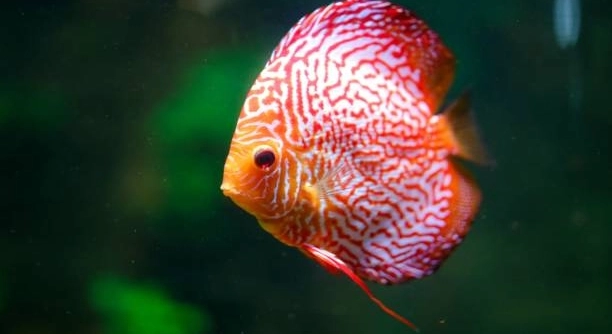
Discus fish are beautiful and popular among aquarium lovers. Many enjoy watching them breed, but sometimes spawning doesn’t happen as expected. Various factors can stop discus fish from reproducing successfully.
Several conditions can prevent discus spawning, including poor water quality, incorrect temperature, lack of suitable breeding sites, stress from tank mates, inadequate diet, improper lighting, and health issues. Each of these factors plays a crucial role in the reproductive process.
Recognizing these conditions can help you create a better environment for your discus. This knowledge is important for encouraging healthy breeding and ensuring the well-being of your fish.
Poor Water Quality
Maintaining clean water is essential for discus spawning. Dirty water with high levels of ammonia, nitrites, or nitrates can stress the fish and prevent them from breeding. Regular water changes and good filtration help keep water parameters stable. Discus are sensitive to pH levels, preferring slightly acidic water around 6.0 to 6.5. Temperature also matters, usually between 82°F and 86°F, as poor conditions cause discomfort and reduce their interest in spawning. Testing water regularly and adjusting as needed creates an ideal environment. When the water is clean and balanced, discus feel safer and are more likely to breed naturally. Overfeeding can also affect water quality, so it’s important to provide just enough food without excess leftovers. A clean tank helps keep discus healthy and encourages natural behaviors, including spawning.
Keeping the water clean and balanced is one of the easiest ways to support discus breeding.
Consistent water quality means fewer health problems and less stress for discus. They rely on stable conditions to trigger spawning instincts. By monitoring ammonia, nitrite, nitrate, and pH levels, you ensure a safe habitat. Using a good filtration system and changing 25-50% of the water weekly keeps harmful substances low. It’s also important to avoid sudden changes in temperature or water chemistry, as discus can become unsettled. Providing a soft substrate and some plants or flat surfaces helps them feel secure when preparing to lay eggs. Clean water, combined with stable conditions, sets the foundation for successful discus spawning.
Incorrect Temperature
Temperature plays a key role in discus spawning. If the water is too cold or too warm, it can stop the breeding process. Discus generally need water temperatures between 82°F and 86°F for spawning to start. Temperatures outside this range cause stress and discomfort, which affects their willingness to mate. Sudden temperature changes also disturb the fish and reduce spawning chances. Keeping the tank temperature stable and within the preferred range supports natural breeding behavior and increases the likelihood of eggs being laid.
Stable temperature is necessary to create the right conditions for discus to spawn.
Temperature affects discus metabolism and behavior. When the water is too cool, discus become less active and may stop preparing spawning sites. If it is too warm, they can become stressed and ill, which also prevents breeding. Consistency is key; fluctuating temperatures cause stress and disrupt hormone levels. Using a reliable heater with a thermostat and a thermometer helps maintain the proper range. Gradual changes in temperature, such as a slight increase during spawning season, can encourage breeding, but these adjustments must be controlled carefully. Providing the right temperature range improves fish health and creates a comfortable environment that supports natural reproduction.
Lack of Suitable Breeding Sites
Discus need clean, flat surfaces like broad leaves, slate, or smooth rocks to lay eggs. Without these, they may not feel comfortable spawning. Providing proper breeding sites is essential for their natural behavior.
Having the right breeding surfaces helps discus prepare and protect their eggs. They clean the site thoroughly before spawning and guard it afterward. Rough or uneven surfaces can discourage them from laying eggs, as it feels unsafe or unsuitable. Some aquarists use breeding cones or slate pieces placed vertically or horizontally to mimic natural conditions. These surfaces give discus confidence and encourage spawning activity. Adding live plants or broad leaves can also provide natural options. Ensuring suitable sites is part of creating an environment where discus feel secure.
Suitable breeding sites also help reduce stress during spawning. Discus tend to choose sites where eggs won’t easily be washed away or damaged. When they find the right spot, they engage in cleaning behaviors, which signal readiness to spawn. Lack of such surfaces may cause them to delay or avoid breeding altogether. Offering multiple options in the tank increases the chances that discus will find a comfortable place. This step is simple but important for encouraging successful spawning.
Stress from Tank Mates
Aggressive or overly active tank mates can stress discus and stop spawning. Discus prefer calm surroundings with peaceful companions. Avoid overcrowding and aggressive fish to reduce stress.
Stress affects discus by lowering their immune system and disrupting breeding hormones. Aggressive fish may chase or nip at discus, causing fear and discomfort. Even peaceful fish that are too active can disturb the calm atmosphere discus need. Keeping tank mates that are small, gentle, and non-competitive for food and space helps discus stay relaxed. Overcrowded tanks increase competition and stress, so maintaining proper stocking levels is essential. Stress-free discus are more likely to spawn and care for their eggs properly.
Choosing the right tank mates requires attention to behavior and compatibility. Fish like tetras or corydoras usually coexist well with discus, as they are peaceful and do not disturb. Avoid aggressive species like cichlids or fin-nippers. Providing plenty of hiding places also helps reduce stress, offering discus retreat areas if needed. Calm water movement and consistent lighting contribute to a stable environment. Watching fish behavior regularly helps identify potential stress sources before they impact spawning. Creating a peaceful community supports discus health and encourages breeding success.
Inadequate Diet
A poor diet can prevent discus from spawning because they need proper nutrition to stay healthy. Feeding only flakes or low-quality food won’t provide the nutrients required for reproduction.
Discus need a varied diet rich in protein, vitamins, and minerals. Live or frozen foods like bloodworms, brine shrimp, and high-quality pellets help support their breeding condition.
Improper Lighting
Lighting affects discus behavior and breeding cycles. Too much or too little light can disturb their natural rhythms and stop spawning. Moderate, consistent lighting encourages normal activity and breeding.
Health Issues
Illness or parasites weaken discus and prevent spawning. Healthy fish are more likely to breed, so regular health checks and treatments are important.
What is the best water temperature for discus spawning?
The ideal water temperature for discus spawning is generally between 82°F and 86°F (28°C to 30°C). Maintaining this range helps stimulate their natural breeding behavior. Temperatures too low or too high cause stress and reduce the chance of successful spawning. A steady, stable temperature is crucial because sudden fluctuations can unsettle the fish and disrupt their reproductive cycle.
How often should I change the water to encourage discus spawning?
Regular water changes are essential. Changing about 25% to 50% of the water weekly keeps the tank clean and water parameters stable. This helps prevent buildup of harmful substances like ammonia and nitrites, which can stress discus and stop spawning. More frequent changes might be needed if the tank is heavily stocked or food is overfed. Always use water treated to remove chlorine and match the temperature closely.
Can tank size affect discus spawning?
Yes, tank size matters. Discus need enough space to establish territories and breed without feeling crowded. A tank of at least 50 gallons for a pair is recommended. Overcrowding causes stress and aggression, which interfere with spawning. Larger tanks also make it easier to maintain stable water quality, which benefits overall fish health and breeding success.
What types of breeding surfaces should I provide?
Smooth, flat surfaces work best for discus to lay eggs. Slate, broad leaves, or specially designed breeding cones are popular choices. Avoid rough or sharp surfaces that can damage eggs or discourage spawning. Providing multiple sites allows discus to select the one they feel safest with. Live plants with broad leaves can also serve as natural spawning sites.
How can I reduce stress from tank mates?
Choose peaceful, non-aggressive tank mates that won’t chase or nip at discus. Small tetras, corydoras catfish, and some dwarf species often work well. Avoid aggressive fish or species known to disturb discus. Keep the tank well-planted and provide hiding spots to help discus feel secure. Also, maintain proper stocking levels to avoid overcrowding and competition.
What should I feed discus to encourage spawning?
Feed a varied diet rich in protein, such as high-quality pellets, frozen or live bloodworms, brine shrimp, and beef heart mixes. This supports their nutritional needs during breeding. Avoid overfeeding and remove uneaten food to keep water quality high. Supplementing with vitamins occasionally can also help maintain discus health and readiness to spawn.
How important is lighting for discus breeding?
Moderate, consistent lighting helps maintain natural daily rhythms, which encourages spawning. Too bright or too dim lighting can stress discus or disrupt their behavior. Aim for about 10 to 12 hours of light per day with gradual transitions between light and dark periods. Using a timer helps keep the schedule regular.
What health problems can prevent discus from spawning?
Common issues like parasites, bacterial infections, or poor overall health can stop discus from breeding. Sick fish lack the energy or hormonal balance needed for spawning. Regular observation, maintaining water quality, and prompt treatment of illness are key to keeping discus healthy and breeding-ready. Quarantine new fish to avoid introducing disease.
How long does it usually take for discus to start spawning?
Once conditions are right, discus may take several days to weeks to begin spawning. They first establish territory, clean the breeding surface, and engage in courtship behaviors. Patience is important, as rushing or sudden changes can cause stress. Consistency in care and environment encourages spawning over time.
Can I encourage discus to spawn without a mate?
No, discus require a compatible breeding pair to spawn. Both male and female participate in courtship and egg care. Having a well-matched pair with healthy, compatible fish improves the chances of successful spawning and raising fry. Sometimes discus form pairs naturally in community tanks, but dedicated pairs in separate tanks yield better results.
Discus spawning can sometimes be tricky, but understanding the common conditions that stop them from breeding helps a lot. Many factors like water quality, temperature, stress, diet, and suitable breeding sites all affect whether discus will spawn or not. Taking the time to create a stable and healthy environment increases the chance that your discus will breed naturally. These fish are sensitive and need specific conditions to feel comfortable enough to reproduce. When you meet their basic needs, it makes the whole process easier and more rewarding.
Keeping water clean and stable is one of the most important things to focus on. Regular water changes and testing help maintain good water quality, which keeps discus healthy and less stressed. Stress can come from many sources, like aggressive tank mates or sudden changes in the tank. Stress weakens their natural instincts, making spawning less likely. Providing proper tank mates that are peaceful and non-threatening helps discus feel safe. Also, making sure the tank has enough space and hiding spots reduces tension. A calm, secure environment is essential for discus to feel ready to breed.
Feeding discus a nutritious diet with high-quality foods supports their health and breeding condition. Protein-rich foods and variety are necessary to keep them strong and ready for spawning. Proper lighting and temperature help mimic natural conditions, further encouraging reproductive behavior. Sometimes, discus need patience and time to pair up and start spawning once the conditions are right. Paying attention to these key factors and adjusting the environment carefully will improve the chances of successful breeding. With patience and care, you can create the ideal setting for your discus to thrive and spawn.

Hello,
If you enjoy the content that we create, please consider saying a "Thank You!" by leaving a tip.
Every little bit helps us continue crafting quality advice that supports the health, happiness, and well-being of pets around the world, for pets of all shapes, sizes, and species.
We really appreciate the kindness and support that you show us!