
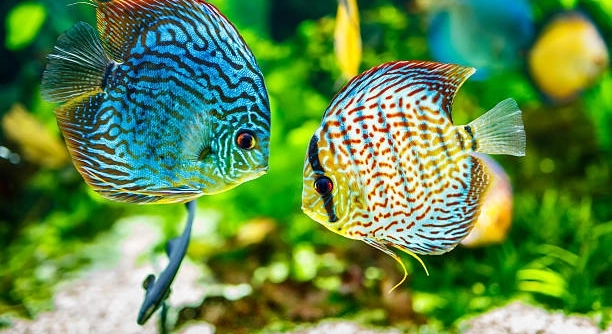
Many discus owners wonder whether their fish would benefit from a fast day. While fasting is common for some species, it’s essential to understand if it’s necessary for discus fish. This decision affects their health, feeding habits, and overall well-being.
The practice of fasting discus fish is controversial and varies depending on the owner’s approach. Some claim it aids in digestion and prevents overfeeding, while others believe it can stress the fish or disrupt their feeding routines.
Understanding the pros and cons of fasting discus can help you decide whether this practice suits your fish. Let’s explore how fasting impacts their health and what alternatives might be better for your aquatic companions.
Why Some Owners Fast Their Discus Fish
Fasting discus fish has become a common practice among some owners, who believe it helps prevent overfeeding and promotes better digestion. Discus fish, being delicate, require proper care to avoid excess nutrients in their system, which can lead to issues like bloating or poor water quality. While fasting can be helpful in certain situations, it’s not always necessary for all discus.
Some owners choose to fast their fish once a week, believing it mirrors natural feeding cycles. However, fasting may not be the best solution for all discus. It’s important to consider factors like age, health, and water quality before introducing fasting into their routine. Frequent fasting can lead to stress, weakening their immune systems over time.
Fasting can also disrupt the regular feeding habits of discus, which can result in a loss of appetite, making them less likely to eat when food is offered again. It’s essential to monitor your discus closely and assess their physical condition before deciding to fast them. A healthy discus, in most cases, requires consistent and well-balanced meals.
The Role of Diet in Discus Health
A balanced diet plays a significant role in keeping your discus healthy. Instead of fasting, focus on providing quality food options that support their growth and overall health.
High-protein foods like live or frozen bloodworms, brine shrimp, and beef heart are popular choices. They provide the nutrients needed for discus to thrive and maintain their vibrant colors. A varied diet ensures your fish get all the essential vitamins and minerals.
Overfeeding can be just as harmful as underfeeding, leading to water pollution and digestive issues. Keeping track of their intake and ensuring the food is appropriate for their size and age is important. Moreover, feeding in smaller, frequent portions can mimic a more natural eating routine and prevent overeating.
Potential Benefits of Fasting Discus Fish
Fasting may provide benefits for discus fish under certain conditions. By not eating for a short period, they can rest their digestive systems and prevent the accumulation of waste in their intestines. This can be helpful for reducing stress on the fish.
Some believe that fasting may promote natural behavior in discus, encouraging them to forage and seek food in a more instinctive manner. However, this practice should be approached carefully and not applied to young or sick fish. Overdoing it can weaken them. If fasting is implemented, it’s important to monitor your fish’s health closely to avoid negative effects. Also, consider how fasting may impact their activity level or social dynamics.
Proper water quality is critical during fasting. Without regular feedings, your discus may produce less waste, which could improve water quality in the tank. But, with fasting comes the risk of weakening their immune system, which could leave them vulnerable to disease. Ensure that your water parameters are consistently stable.
Signs That Fasting May Be Harmful
Fasting can have harmful effects if not approached correctly. If your discus fish shows signs of stress, such as lethargy, loss of color, or reduced activity, it may be a signal that fasting is doing more harm than good.
If your fish’s appetite is inconsistent or they refuse food after fasting, it’s crucial to evaluate the cause. Stress from fasting can make your discus more susceptible to disease or infections. This is especially true if they’ve been underfed or stressed for a prolonged period. It’s also important to ensure they still receive all the nutrients they need during non-fasting days. Relying on fasting to fix digestive issues might not be a long-term solution. Instead, focus on a balanced, varied diet and proper tank conditions for better results.
How Often Should Discus Fish Be Fasting?
Fasting once a week is a common recommendation. Some owners choose a 24-hour fast, while others prefer a longer period. The frequency really depends on the individual fish and their health. It’s important not to overdo it.
If your discus appears to be healthy and active, a weekly fast can help maintain a balanced digestive system. However, fasting should not be used to correct problems like overfeeding. If your fish shows signs of illness or stress, fasting might not be the answer. It’s better to adjust their diet and water quality first.
Alternatives to Fasting for Discus Fish
Instead of fasting, focus on providing a healthy, varied diet that meets all your fish’s nutritional needs. Regular, smaller meals can help prevent overfeeding while ensuring your discus gets the nutrients they need.
Consider feeding them a mix of high-quality pellets, frozen or live food, and occasional vegetable matter. This variety ensures they get the right balance of protein, fats, and vitamins. Frequent feeding, in smaller portions, mimics their natural feeding habits. This reduces the need for fasting and keeps your fish healthy and active.
The Importance of Consistent Water Quality
Water quality is crucial for discus health. Even if you choose not to fast your fish, maintaining clean, stable water will keep them thriving. Regular water changes and proper filtration ensure toxins don’t build up and cause stress.
FAQ
How long can discus fish go without food?
Discus fish can typically go without food for around 2 to 3 days without significant harm. However, this is not ideal for long-term health. A prolonged fast can weaken their immune system, slow down growth, and lead to stress. It’s important to monitor them closely if you’re skipping meals. While discus can survive short periods of fasting, they thrive best with a consistent feeding routine that includes proper nutrition.
Can fasting help with overfeeding?
Yes, fasting can be an effective tool to reduce the negative effects of overfeeding. Overfeeding can lead to bloating, water quality issues, and digestive problems. A day of fasting every week can give your fish’s digestive system a break, allowing their body to process excess food. However, it’s essential not to rely on fasting as the sole solution. The main focus should still be on feeding the right amounts and avoiding excessive food.
Is fasting necessary for all discus fish?
Fasting is not necessary for every discus fish. Healthy, well-fed discus that are not overfed generally don’t require fasting. If your fish is in good health, fasting may not offer any noticeable benefits. Fasting should be considered if there are specific concerns like bloating, or if you’re trying to prevent overfeeding. If your fish is young or sick, fasting may be harmful and unnecessary.
What is the best diet for discus fish?
A balanced diet rich in protein, healthy fats, and essential vitamins is ideal for discus. High-quality pellets, live or frozen food such as bloodworms, brine shrimp, and beef heart are popular choices. Some discus owners also include spirulina and vegetables in their diet for variety. Regular feeding of small amounts, 2 to 3 times per day, ensures they get the nutrients they need. It’s important to avoid overfeeding, as leftover food can pollute the water.
What happens if I overfeed my discus fish?
Overfeeding your discus can lead to a number of problems. Excess food will decay in the tank, causing spikes in ammonia and other toxins that can harm both the fish and water quality. Overfed fish can also suffer from digestive issues like bloating or constipation, leading to discomfort or even disease. Additionally, overfeeding can cause fat accumulation, which affects the fish’s mobility and overall health. It’s better to offer smaller portions throughout the day and avoid large amounts at once.
How often should I feed my discus fish?
Feeding your discus 2 to 3 times per day is generally ideal. They have high metabolism rates and require consistent nourishment to stay healthy and vibrant. However, it’s crucial to feed them small amounts each time to prevent overfeeding and maintain water quality. If you notice excess food left in the tank, adjust the portion sizes. Some owners prefer to feed once a day with larger portions, but this can be risky if not monitored carefully.
Can I fast my discus fish every week?
Yes, many owners fast their discus fish once a week, usually for 24 hours. This helps to give their digestive system a rest and prevent issues like bloating or constipation. However, it’s important to make sure your discus are healthy and well-fed during non-fasting days. Fasting too frequently or for extended periods can stress your fish, so it’s best to keep it as a routine that doesn’t interfere with their overall care.
Should I worry about my discus not eating for a day?
If your discus skips a meal occasionally, there’s usually no need to worry. Fish can sometimes refuse food due to stress, water quality changes, or simply because they’re not hungry. If your fish refuses food for more than 2 days, it could be a sign of illness or stress. In such cases, check the water quality and the fish’s behavior closely. If they continue to refuse food, consult a vet for advice.
Is it safe to feed my discus live food?
Live food, such as brine shrimp or bloodworms, can be a great source of nutrition for discus fish. They are high in protein and encourage natural hunting behavior. However, live food should be sourced carefully to avoid introducing diseases into the tank. Make sure to use live food that’s clean and disease-free. Too much live food can also cause bloating, so it’s important to offer it in moderation.
Can fasting affect the coloration of my discus fish?
Fasting doesn’t usually affect the coloration of healthy discus in the short term. However, prolonged fasting can cause stress, which may lead to a duller or faded color. Stress impacts a fish’s immune system, and this can manifest in their appearance. If your discus is losing color or appears lethargic during fasting, it might be time to adjust their feeding routine or water conditions.
How do I know if my discus is underfed?
Signs of underfeeding include a noticeable decrease in size, lethargy, or a loss of color. If your discus fish looks thin or its body appears sunken, it’s likely not receiving enough nutrients. Also, underfed fish may exhibit a lack of energy, spending more time at the bottom of the tank. If you suspect underfeeding, start by increasing their portion size or offering a wider variety of foods to ensure they’re getting a balanced diet.
Final Thoughts
When it comes to fasting discus fish, there are both benefits and risks. While some owners find fasting helpful in preventing overfeeding or digestive problems, it’s not always necessary for every fish. Healthy discus that are fed appropriately usually don’t need fasting as a regular part of their routine. The key to keeping your fish in top condition is offering them a balanced diet that includes high-quality pellets, live or frozen food, and the occasional addition of vegetables. This approach provides the right nutrients without putting unnecessary stress on the fish.
Fasting should only be considered if you’re dealing with specific issues, like bloating or signs of overfeeding. If your discus is healthy and active, there’s no need to force fasting. Instead, focus on maintaining good water quality and feeding them the right amount of food. A consistent feeding schedule—2 to 3 times per day, with smaller portions—is usually the best way to keep your discus happy and healthy. If you’re still unsure, you can consult with a veterinarian or a fish expert to create the best plan for your fish’s needs.
Ultimately, each discus fish is different, and what works for one may not be ideal for another. Fasting can be a useful tool when applied correctly, but it should never replace proper care. Healthy discus thrive on attention to their diet, water conditions, and overall well-being. Always observe your fish carefully, and adjust your approach based on how they respond. With the right care, your discus fish will live a long, healthy, and vibrant life.

Hello,
If you enjoy the content that we create, please consider saying a "Thank You!" by leaving a tip.
Every little bit helps us continue crafting quality advice that supports the health, happiness, and well-being of pets around the world, for pets of all shapes, sizes, and species.
We really appreciate the kindness and support that you show us!