
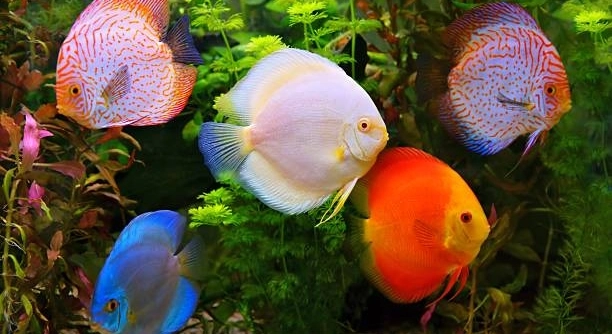
Is your discus looking weak and not as active as it used to be? You might be unsure how to help it recover. Whether it’s stress, illness, or poor water quality, small changes can make a big difference.
Helping a weak discus regain strength involves improving water quality, maintaining stable tank conditions, offering high-quality food, and reducing stress. Timely intervention and a supportive environment can significantly boost recovery and restore overall health and vitality.
Learning what to change and when can help your discus feel stronger, swim better, and return to its natural, graceful behavior.
Improve Water Quality First
Clean water plays a major role in helping weak discus recover. Poor water conditions can quickly lead to stress and illness, especially in sensitive fish like discus. Start by testing your tank’s ammonia, nitrite, and nitrate levels. Regular water changes—about 25–30% twice a week—can help stabilize the environment. Be sure to use a reliable water conditioner to remove chlorine and chloramine. Keep the temperature steady between 82°F and 86°F and maintain a pH range of 6.0 to 7.0. A stable, clean tank creates a safe space for your discus to heal and regain strength gradually.
Making these small adjustments can reduce stress and encourage better appetite and energy in your fish.
Consistency is key. Check filter performance weekly, vacuum the substrate during water changes, and avoid overcrowding. Discus feel more secure in a stable setting, so avoid sudden shifts in water parameters. Over time, this routine can help bring back their vitality.
Offer High-Quality Food
Feeding weak discus properly helps them recover faster. Nutrient-rich foods like frozen bloodworms, brine shrimp, and high-protein pellets support strength and immunity. Offer small, frequent meals to encourage eating without overwhelming them.
Stick with trusted brands known for balanced formulas. Feed 2–3 times daily and remove leftovers quickly to avoid spoiling the water. Supplement with vitamins if needed, especially during recovery. Avoid live feeder fish, as they may carry diseases. Soak dry food in tank water for a few minutes to soften it, making it easier for your fish to eat. Rotate food types weekly to keep their interest up and ensure a complete diet. Overfeeding can add stress, so feed only what your discus can finish in two minutes. Keep monitoring your fish’s behavior and appearance to track progress. With steady feeding habits and good nutrition, your discus can regain both energy and color, helping them feel more secure and active in the tank.
Reduce Stress in the Tank
Stress can slow recovery and weaken discus even more. Loud noises, sudden lighting changes, or aggressive tank mates can overwhelm them. Keep the tank calm and quiet, and reduce foot traffic nearby when possible to avoid triggering more stress.
Use a background on the tank to limit reflections and outside movement. Dim the lights slightly or use floating plants to create shaded areas. Make sure tank mates are peaceful and compatible—avoid fin-nippers or fast swimmers. Rearranging tank decor can also disturb discus, so try to keep their environment consistent. If needed, isolate the weak fish in a breeder box within the main tank to reduce stress without complete separation. Keep handling minimal and only when necessary. If your discus is hiding, let it be—forcing interaction can cause more harm. Small changes like these give the fish a chance to recover in peace and feel safe in its space.
When discus feel secure, they start to behave more normally. You may notice them coming out more often, regaining color, or swimming with better posture. These are good signs of recovery. Stress slows digestion and weakens immunity, so a calm environment helps food work better and reduces the risk of further illness. Patience makes a difference.
Maintain Warm, Stable Temperature
Discus thrive in warm, stable water. Keep the temperature between 82°F and 86°F. Sudden drops or spikes can stress the fish and weaken their immune system. Use a reliable heater and thermometer to keep the temperature steady every day.
Avoid placing the tank near windows, vents, or exterior walls where the temperature fluctuates. A secondary thermometer can help confirm your heater’s accuracy. If using more than one heater, place them at opposite ends of the tank for even warmth. During water changes, match the temperature of new water to the tank. Rapid shifts, even by a few degrees, can slow recovery. Discus are sensitive to temperature dips, especially when already weak. Warmer water also boosts metabolism and appetite, encouraging better food intake and energy. Check your equipment regularly and clean the heater as needed to avoid buildup. Stable warmth helps the discus feel safe and supports the healing process effectively.
Use Aquarium Salt Sparingly
Aquarium salt can support healing, especially if your discus has minor injuries or is showing signs of stress. Use only plain, additive-free salt. Dissolve it first before adding it to the tank to avoid irritation.
Limit use to short-term treatments. Too much salt can harm plants and sensitive fish. Follow dosage carefully.
Observe for Signs of Illness
Watch closely for clamped fins, white poop, cloudy eyes, or breathing at the surface. These may point to an internal issue or infection. Weak discus are more prone to parasites and bacterial infections when their immune system is low.
If symptoms worsen or spread, isolate the sick fish and treat using targeted medications. Use a separate tank for treatment if possible, so other fish remain unaffected. Stick with trusted products and always read the label before dosing. Maintain clean water throughout the treatment and avoid mixing medications. If unsure, monitor progress for 24–48 hours before adjusting. Good observation can help you act early and improve the discus’s chance of recovery.
Avoid Overcrowding
Too many fish in one tank increases stress and lowers water quality. Discus need space to swim freely. Keep the group size balanced with enough room to prevent bullying or hiding caused by territorial behavior.
FAQ
How long does it take for a weak discus to regain strength?
Recovery time depends on the cause of weakness, how early you intervene, and the overall tank conditions. Some discus show signs of improvement within a few days if the issue is mild and the tank environment is ideal. In more serious cases, it may take a few weeks or even longer. The key is to stay consistent with water changes, temperature control, and feeding. If progress stalls or declines, it may be time to check for hidden illness or consult with a fish vet or experienced aquarist.
Can I use medications right away when my discus looks weak?
It’s better to wait unless your discus shows clear signs of disease, like white feces, rapid breathing, or skin lesions. Weakness can be caused by stress, temperature changes, or poor water quality—medications won’t fix these. Start with improving the environment and diet. If symptoms don’t improve or get worse after a few days, then consider treatment. Use medications carefully and never mix different ones unless directed. Always monitor how your discus reacts to the first dose before continuing.
What kind of food is best for a weak discus?
Go for high-protein, nutrient-rich options like frozen bloodworms, brine shrimp, and quality pellets made for discus. Feed small amounts 2–3 times daily to encourage eating without overwhelming them. Avoid low-quality flakes or dried foods that offer little nutritional value. Soaking dry food in tank water makes it easier to eat. If appetite is low, try offering live or frozen food with a strong scent to stimulate interest. Variety helps meet their needs and keeps them engaged with feeding.
Should I isolate a weak discus from the rest?
Only isolate if the discus is being bullied, not eating, or showing signs of disease. Otherwise, it’s often better to keep it with the group in a calm, stable tank. Isolation tanks can add stress if the fish feels too exposed or if water conditions differ too much. A breeder box inside the main tank is a safer short-term option. If you do move them to a hospital tank, keep the conditions nearly identical to avoid further shock.
How do I know if the water quality is affecting my discus?
Test the water regularly for ammonia, nitrite, nitrate, and pH. Even small traces of ammonia or nitrite can cause stress and illness. High nitrate levels over time can also wear the fish down. If your discus looks pale, hides often, or breathes heavily, poor water may be to blame. Use a liquid test kit for better accuracy. Keep up with regular water changes, vacuum the substrate, and make sure the filter is running properly. Clean but stable water can make a big difference in your discus’s energy and behavior.
Why is my discus not eating even after fixing the water and temperature?
Stress can cause a discus to stop eating, even if the tank looks fine. Give it time and keep trying small meals throughout the day. Use frozen or live food with a strong smell, which may trigger interest. Try feeding in a quiet environment with minimal movement around the tank. Avoid handling or disturbing the fish while it’s recovering. Some discus take longer to feel secure again, but with consistency, appetite usually returns. If not, illness might be the reason—check for other symptoms and act accordingly.
Can tankmates affect my discus’s health?
Yes, incompatible or aggressive tankmates can cause stress and weaken a discus. Avoid fast swimmers or fin-nipping species. Discus do best with peaceful, slow-moving fish that prefer warm water. Keeping them in groups of 5–6 can also reduce aggression within the species. If one fish is being picked on, rearrange the decor slightly or add more plants to break up sightlines. Monitor their interactions closely. When discus feel safe, they eat better, show more color, and recover faster from any weakness or illness.
Final Thoughts
Helping a weak discus regain strength takes time, patience, and consistency. These fish are sensitive to changes in their environment, so even small problems can affect their health. Clean water, stable temperature, and a calm tank setup are the foundation of their recovery. It’s important to watch their behavior daily, as small changes can give you clues before a serious issue develops. Taking early steps—like checking water parameters, improving diet, and reducing stress—can make a big difference. Avoid rushing treatments or using medications without a clear reason. A calm, stable environment often helps more than immediate action.
Feeding is another key part of helping a weak discus. They need high-protein foods in small, regular portions. Many discus won’t respond well to low-quality pellets or flake foods, especially if they’re already stressed. Frozen bloodworms, brine shrimp, and well-made discus pellets are better choices. Make sure to remove any leftover food to keep the water clean. Avoid overfeeding, as uneaten food will quickly spoil and affect water quality. If your discus isn’t eating, try offering strong-smelling food in a quiet setting. Give them time and don’t force them to eat. A gentle, patient approach works better than pushing them too hard.
Discus that feel safe and supported recover faster. Make sure the tank isn’t overcrowded or too noisy. Avoid placing the tank in a high-traffic area. If other fish in the tank are causing stress, try separating the weak discus temporarily. Limit handling, loud noises, and sudden changes. These fish often improve when they’re not startled or disturbed. If you’re using medication, follow directions carefully and avoid mixing products. When in doubt, observe for a few days before taking new steps. A weak discus can recover fully with the right care, but the process can take time. Staying consistent and keeping conditions stable gives them the best chance to regain their strength and return to normal behavior.

Hello,
If you enjoy the content that we create, please consider saying a "Thank You!" by leaving a tip.
Every little bit helps us continue crafting quality advice that supports the health, happiness, and well-being of pets around the world, for pets of all shapes, sizes, and species.
We really appreciate the kindness and support that you show us!