
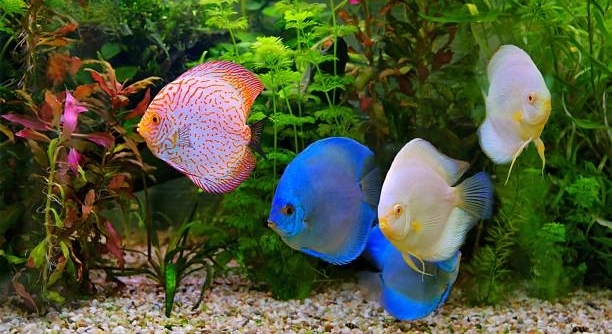
Discus fish are popular in home aquariums because of their bright colors and unique shapes. Many fishkeepers enjoy breeding them to watch the fry grow. After spawning, there is often confusion about whether to separate the adults from the young.
Separating discus fish after spawning depends on several factors like tank size, adult behavior, and fry survival rates. In many cases, removing the parents can protect the young from aggression, but leaving them together may encourage natural care under controlled conditions.
Understanding the best approach will help improve your discus breeding success and ensure the safety of both parents and fry. This article explains the reasons behind separating or keeping discus fish together after spawning.
Why Separating Discus After Spawning Matters
After discus fish spawn, the behavior of the parents can change. Some discus become very protective, while others may show aggression toward their fry. If the parents start chasing or eating the young, it can lead to high mortality rates. In smaller tanks, the risk of aggression is even higher because the fish have less space to retreat. Separating the fry from the adults can prevent these problems and give the young a better chance to grow safely. However, if the parents are calm and show good care, keeping them together might reduce stress on the fry. It’s important to observe how your discus act after spawning and be ready to act if signs of aggression appear. Tank conditions like size, hiding spots, and water quality also play key roles in how well the parents and fry can live together.
Some fishkeepers prefer to separate the fry early to avoid risks, while others watch carefully before deciding.
Knowing when to separate can make all the difference in raising healthy discus fry and avoiding unnecessary losses.
How to Separate Discus Fry Safely
Separating discus fry should be done carefully to avoid stressing both parents and young fish.
The best method is to gently move the fry to a smaller, safe nursery tank with proper filtration and stable water conditions. Make sure the nursery tank is warm and clean, as discus fry are sensitive to changes. Use a small net or a container to transfer the fry slowly. Avoid sudden changes in water parameters during the move. Keep the fry well-fed with appropriate foods like baby brine shrimp or powdered fry food. Monitor both tanks closely to ensure the parents don’t get too stressed or aggressive after the fry are removed. Keeping the nursery tank dimly lit and providing hiding places helps the fry feel secure and grow stronger in these early days. With patience and attention, separating fry can improve their chances of survival without causing harm to the adult discus.
Timing to Separate Discus Fry
Separating discus fry too early can stress them, while waiting too long may risk aggression from the parents. The right moment depends on how the adults behave and how quickly the fry grow.
Most breeders wait until the fry are about two to three weeks old, when they start swimming freely and eating on their own. At this stage, the fry become more independent but still benefit from the water conditions maintained by the parents. If the parents remain calm and continue caring for the fry, it may be safe to wait longer. However, signs like chasing or nibbling on the fry mean separation should happen immediately. Always keep an eye on the tank to catch these behaviors early.
If the tank is crowded or small, earlier separation is often necessary to prevent stress and improve fry survival rates.
Benefits of Keeping Parents with Fry
Keeping discus parents with their fry can help protect the young from some predators and encourage natural care behaviors. The adults often clean the fry and keep the tank environment more stable.
When parents stay with the fry, the water quality may benefit from their presence because they consume leftover food and waste. This natural care can reduce the need for extra maintenance and feeding. Also, the fry learn social behaviors from watching the adults. However, this method only works if the parents are calm and non-aggressive. In larger tanks with plenty of hiding places, keeping them together is easier. But this approach requires constant monitoring to avoid sudden aggression, which can cause injuries or death. Balancing these factors helps decide if keeping parents with fry is the best choice.
Signs That You Should Separate Discus Fry
If the adult discus start showing aggression, such as chasing or biting the fry, it’s time to separate them. Watch for signs like damaged fins or missing fry.
Increased stress or hiding behavior from the fry also indicates they need protection in a separate tank. Early action helps prevent losses.
Preparing the Nursery Tank
The nursery tank should have stable water conditions matching the main tank. Keep the temperature around 82°F (28°C) and maintain gentle filtration to avoid harming the fry. Include plants or small hiding spots to make the fry feel safe. Regular water changes are essential to keep the environment clean. Feeding the fry often with small, nutritious food supports healthy growth.
Feeding Fry After Separation
Once separated, discus fry need frequent feeding with specialized foods like baby brine shrimp or powdered fry food. Proper nutrition is key for strong development and survival.
How soon after spawning should I separate discus fry?
The best time to separate discus fry is usually around two to three weeks after spawning. At this point, the fry start swimming freely and can eat on their own. Before this, the parents usually keep a close watch and may still care for them. However, if the adults show any signs of aggression earlier, separating the fry immediately is important to prevent harm.
Can I keep the discus parents with the fry indefinitely?
Keeping the parents with the fry indefinitely is not recommended. While parents may care for the young at first, as the fry grow, the adults can become more aggressive or stressed. This can lead to chasing or even eating the fry. Usually, after three to four weeks, separation is safer to avoid injuries and to give the fry a better chance to grow without stress.
What are the signs that the parents are aggressive toward the fry?
Signs of aggression include chasing, biting, or nipping at the fry. You might notice fry hiding more or some fry going missing. Damaged fins or small injuries on fry also point to aggression. If you observe these behaviors, it’s important to separate the fry quickly to protect them.
How do I set up a nursery tank for discus fry?
A nursery tank should have stable water temperature around 82°F (28°C) and gentle filtration to avoid harming the fry. It’s good to add plants or small hiding places where fry can feel safe. Regular water changes help maintain water quality. The tank size can be small but should allow enough space for fry to swim freely and grow.
What should I feed discus fry after separation?
Discus fry need frequent feeding with small, nutritious foods. Baby brine shrimp and powdered fry food are good options. Feed them several times a day in small amounts so the food does not pollute the water. Proper nutrition helps the fry grow strong and healthy during this sensitive stage.
Will separating the fry stress the parents?
Separating the fry can cause some stress to the parents, especially if they are very protective. It’s best to move the fry gently and keep the environment calm. Sometimes, giving the parents a clean tank or adding plants can help reduce their stress after the fry are removed.
Can fry survive without their parents’ care?
Yes, discus fry can survive and thrive without their parents if cared for properly in a nursery tank. Providing stable water conditions, proper feeding, and a safe environment will support their growth. Many breeders separate fry early to increase survival rates, especially if parents become aggressive.
How often should I check on the fry after separation?
Check on the fry daily to ensure they are eating well and swimming actively. Watch for signs of illness or stress. Regularly test water quality and perform small water changes to keep conditions ideal. Early detection of problems helps prevent losses.
Is it necessary to separate fry in large tanks?
In larger tanks with plenty of space and hiding spots, parents may be less aggressive and fry might be safer together. However, even in large tanks, some discus may still show aggression. It’s important to observe their behavior carefully and be ready to separate if needed.
What is the most common mistake when separating discus fry?
A common mistake is moving the fry too quickly or without matching water conditions between tanks. Sudden changes in temperature, pH, or hardness can shock the fry. Always make sure both tanks have similar water parameters and transfer fry gently to reduce stress.
Separating discus fry after spawning is a decision that depends on many factors, including the behavior of the adult fish, the size of the tank, and the condition of the fry. Some discus parents take very good care of their young and protect them from harm, while others may become aggressive and threaten the survival of the fry. Watching how your fish act after spawning is important to decide whether separation is needed. If the adults are calm and caring, it may be possible to keep them together safely for some time. However, if you see any signs of aggression or stress, it is better to separate the fry quickly to improve their chances of survival.
Creating a safe and stable environment for the fry after separation is also very important. The nursery tank should have water conditions that match the main tank, with the right temperature and gentle filtration. Providing hiding places helps the fry feel secure as they grow. Feeding the fry often with appropriate foods like baby brine shrimp or powdered fry food supports their development during this critical stage. Maintaining good water quality through regular changes is necessary to keep the fry healthy. Even though separating fry may cause some stress to the parents, careful handling and proper tank management can minimize problems for both adults and young fish.
Ultimately, the choice to separate discus fry after spawning depends on what works best for your specific situation. There is no one-size-fits-all answer, as every tank and group of fish behaves differently. Being patient and observing your discus closely will help you make the right decision. Taking prompt action when needed can protect the fry and support their growth into healthy adult fish. Whether you keep the parents and fry together or separate them early, paying attention to their needs will improve your success in breeding discus fish.

Hello,
If you enjoy the content that we create, please consider saying a "Thank You!" by leaving a tip.
Every little bit helps us continue crafting quality advice that supports the health, happiness, and well-being of pets around the world, for pets of all shapes, sizes, and species.
We really appreciate the kindness and support that you show us!