
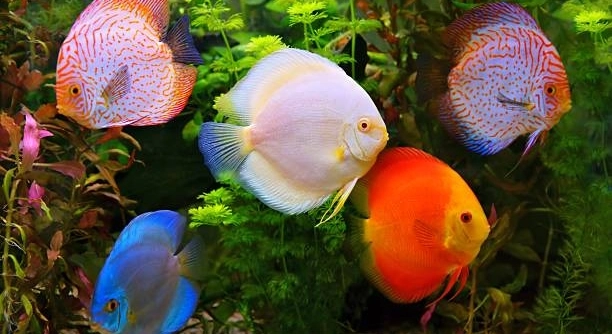
Discus fish are popular aquarium pets known for their bright colors and graceful movements. Many owners notice changes in their colors and wonder what these shifts might mean. Understanding these color changes can help keep discus fish healthy and happy.
Discus fish can show their mood through color changes, but this is not always a clear or consistent indicator. Color shifts may result from stress, illness, breeding behavior, or environmental factors. Careful observation of other behaviors is needed to interpret their mood accurately.
Recognizing the signs behind these colors can improve your fish care routine and deepen your connection with your discus. Learning what to watch for will help you create a better environment for them.
Why Discus Fish Change Color
Discus fish change color for several reasons, and understanding these can help you care for them better. One common cause is stress. When discus feel threatened or uncomfortable, their colors may fade or darken. This can happen due to poor water quality, sudden changes in temperature, or aggressive tank mates. Another reason is breeding behavior. During spawning, males and females often become more vibrant to attract each other. Illness can also affect their colors. Sick fish might lose their usual brightness or develop unusual spots. Finally, lighting and diet play a role. Good nutrition and proper lighting enhance their natural colors, while poor conditions dull them. Paying attention to these factors helps you notice early signs that your fish may need care or adjustments in their environment.
Color changes are a natural part of discus life, but they signal important shifts in their well-being.
Knowing why your discus changes color can guide you in creating a healthy, comfortable space for them.
How to Observe Mood Through Color
Discus color changes are subtle and must be combined with behavior observation. Look for changes in swimming patterns, appetite, and social interactions to get a clearer picture.
Watching your discus closely will help you understand what their color changes mean. Noticing if they hide more, become less active, or stop eating is important. Healthy discus usually show bright, stable colors and swim confidently. Stress or illness can cause dull or blotchy colors, and shy behavior. During breeding, expect more intense colors paired with nest building or guarding. Temperature changes or poor water quality often make colors fade and fish restless. Always check water parameters regularly to avoid surprises. By connecting color shifts with how they act, you can better meet their needs and keep them comfortable. Consistent care and attention make a big difference in keeping discus fish happy.
Common Color Changes and Their Meanings
Discus fish often show color changes that reflect their mood or health. Darkening can indicate stress or illness, while brightening usually signals good health or breeding readiness.
Darkening in discus fish is one of the most noticeable color changes. It often happens when the fish feels stressed due to poor water conditions, bullying from tank mates, or sudden environmental changes. A stressed discus might also swim less and hide more often. Sometimes illness causes color to fade or become blotchy. On the other hand, bright colors generally mean the fish is healthy and comfortable. During breeding, males and females may display more vivid patterns to attract each other. Understanding these shifts helps you respond quickly and keep your discus thriving.
Sometimes, discus fish show subtle patterns or spots that can indicate health issues or natural mood shifts. For example, if the colors become patchy or uneven, it might signal a fungal or bacterial infection. Noticing these changes early allows you to treat the fish before problems worsen. Regular water testing and maintaining a calm tank environment prevent most stress-related color changes. Observing your discus daily will help you catch signs of discomfort before they become serious.
Tips to Help Your Discus Feel Comfortable
Maintaining stable water temperature, clean conditions, and a peaceful environment supports healthy colors in discus fish. Sudden changes can cause stress and color loss.
To help your discus stay comfortable and show their best colors, keep water conditions steady. Discus prefer warm water, around 82–86°F (28–30°C), and soft, slightly acidic pH levels. Regular water changes and gentle filtration reduce stress by keeping the tank clean. Avoid overcrowding the tank and choose compatible tank mates to prevent aggression. Provide hiding spots like plants or decorations so discus can feel safe. Feeding a balanced diet rich in nutrients enhances their natural colors. Small changes in the environment or diet can make a big difference in how your fish look and behave.
A calm, clean tank with good water quality helps discus fish feel secure and maintain bright colors. Stability is key to reducing stress and encouraging natural behaviors. Regular observation allows you to catch problems early, ensuring your discus stay healthy and colorful.
When Color Changes Signal Stress
Discus fish often darken when stressed. This is a natural reaction to changes in their environment or tank conditions. Stress can make their colors dull and less vibrant.
Common causes of stress include poor water quality, sudden temperature shifts, and aggressive tank mates. These factors affect their mood and overall health. Monitoring your tank regularly helps reduce stress and keep colors bright.
Recognizing Healthy Color Patterns
Healthy discus fish have consistent, vibrant colors with clear patterns. Their colors should be stable and bright most of the time. Sudden fading or blotchy colors often mean something is wrong.
Effects of Lighting on Discus Color
Proper lighting enhances discus fish colors. Too much light can stress them, while too little makes colors fade. Finding the right balance is important for their well-being and appearance.
Using Color to Track Breeding Behavior
During breeding, discus colors become more intense. This brightening is a sign of readiness to spawn and increased activity around the tank.
Can discus fish really change color based on their mood?
Yes, discus fish can change color depending on their mood, but it’s not always straightforward. Color changes often happen when they feel stressed, comfortable, or ready to breed. Stress usually makes their colors darker or duller, while calm, healthy fish show bright, vivid colors. Breeding discus tend to brighten or display more intense patterns. However, color alone isn’t a perfect way to tell how they feel. It’s best to watch their behavior along with color changes to understand their mood better.
Why do discus fish sometimes become very dark?
Discus fish usually darken when they feel threatened or stressed. This can happen if water conditions aren’t right, if the temperature suddenly drops or rises, or if other fish in the tank are aggressive. Darkening is a natural response to help them blend in and feel safer. It’s a signal that something in their environment isn’t ideal, and they may need a calmer space, better water quality, or less competition in the tank.
Can diet affect the color of discus fish?
Absolutely. A nutritious diet with the right vitamins and carotenoids helps discus fish maintain their bright colors. Foods like high-quality pellets, frozen bloodworms, and brine shrimp can improve coloration. Poor nutrition can make colors fade or look dull. Feeding a varied and balanced diet supports not only their colors but also their overall health and immune system.
How often should I change the water to keep discus colors vibrant?
Regular water changes are essential for bright discus colors. Changing about 25-30% of the tank water every week keeps harmful substances low and maintains good water quality. Clean water reduces stress, which helps fish keep their natural, vibrant colors. If water is dirty or has too many toxins, discus may become pale or blotchy. Testing water parameters often also helps catch problems early.
What role does tank lighting play in discus coloration?
Lighting affects how discus colors appear. Bright light can bring out their vivid colors, but too much light can stress them, causing colors to fade or darken. Dim lighting might make colors look dull even if the fish are healthy. A balance is needed—moderate lighting that mimics natural daylight encourages bright colors without stressing the fish.
Are color changes a reliable sign of disease in discus fish?
Color changes can sometimes indicate disease, but they’re not always reliable on their own. If colors fade, become patchy, or unusual spots appear, it could mean a health issue like fungal or bacterial infection. However, stress or environmental changes can cause similar changes. Always check for other signs like lethargy, loss of appetite, or unusual swimming before deciding if it’s disease.
Do discus fish change color as they age?
Yes, discus colors can change as they grow. Young discus often have less intense colors that develop and brighten as they mature. Some fish also change patterns slightly over time. Age-related color changes are normal and usually gradual. If colors suddenly shift or become dull, it’s more likely caused by environment or health, not aging.
Can the presence of other fish influence discus colors?
Yes, other fish in the tank can affect discus coloration. Aggressive or dominant tank mates can stress discus, causing darkening or fading. Friendly, peaceful fish help discus feel secure, encouraging bright colors. Overcrowding also raises stress and reduces color vibrancy. Choosing compatible species and keeping an appropriate number of fish is important.
How quickly do discus fish change color when stressed?
Discus can change color within hours of experiencing stress. If water conditions suddenly worsen or they face aggression, colors may darken quickly. However, some changes take longer, especially if caused by illness or long-term poor care. Watching your discus daily helps catch these changes early before they become serious problems.
Can temperature fluctuations cause discus to change color?
Yes, sudden or large temperature changes often cause discus to darken or lose color. They prefer warm, stable temperatures around 82-86°F (28-30°C). If the water gets too cold or hot quickly, stress causes colors to fade or darken. Keeping a stable temperature with a reliable heater helps discus stay colorful and healthy.
Is it normal for discus to brighten their colors during breeding?
Yes, brightening colors is a natural part of discus breeding behavior. Males and females show more vivid and intense colors to attract each other and prepare for spawning. This color boost is often accompanied by changes in behavior, like cleaning a spot or guarding eggs. It’s a good sign your fish are ready to reproduce.
How can I help my discus regain their color if they look pale?
Improving water quality, stabilizing temperature, and feeding a nutritious diet often help discus regain color. Reducing stress by removing aggressive tank mates or adding hiding spots also supports color recovery. Be patient, as it can take several days or weeks for colors to return fully once conditions improve.
Can lighting changes cause discus to look different even if they’re healthy?
Yes, lighting intensity and type can make discus look brighter or duller without any change in health. LED lights, fluorescent bulbs, or natural light all affect how colors appear to the eye. Adjusting lighting to a comfortable level for the fish often improves their look.
Do discus fish show different colors when sleeping or resting?
Discus often become darker or less vibrant when resting or sleeping. This natural dimming helps protect them and signals a low-energy state. Color should return to normal once they become active again. If colors remain dull while awake, it may mean stress or illness.
Is it helpful to keep a color journal for my discus?
Yes, keeping a simple journal of color changes, water tests, feeding, and behavior can help you understand your discus better. Tracking these details makes it easier to spot problems early and learn what conditions make your fish happiest and most colorful.
Discus fish are beautiful and unique pets, known for their bright colors and graceful movements. Their colors can tell you a lot about how they feel and their overall health. However, color changes alone don’t always give a clear answer about their mood. It’s important to watch their behavior along with color shifts to get a better understanding. Factors like stress, illness, breeding, and environment all affect discus coloration. By paying attention to these signs, you can help your fish stay healthy and comfortable.
Maintaining good water quality and a stable environment is key to keeping discus fish colorful and happy. Sudden changes in temperature, poor water conditions, or aggressive tank mates often cause stress, which makes their colors fade or darken. Providing a balanced diet rich in nutrients also plays an important role in enhancing their natural colors. Lighting should be set to a comfortable level—not too bright or too dim—to help discus show their best appearance without stress. Creating a calm tank with plenty of hiding spots helps them feel safe and reduces negative color changes.
Understanding discus color changes is not always simple, but with close observation and care, you can learn what your fish need. If you notice their colors fading or changing unexpectedly, check the tank’s conditions first. Adjust water quality, temperature, and feeding habits as needed. Remember, it takes time for discus to regain their colors once conditions improve. Being patient and consistent in your care will help your discus thrive and display their beautiful colors for years to come.

Hello,
If you enjoy the content that we create, please consider saying a "Thank You!" by leaving a tip.
Every little bit helps us continue crafting quality advice that supports the health, happiness, and well-being of pets around the world, for pets of all shapes, sizes, and species.
We really appreciate the kindness and support that you show us!