
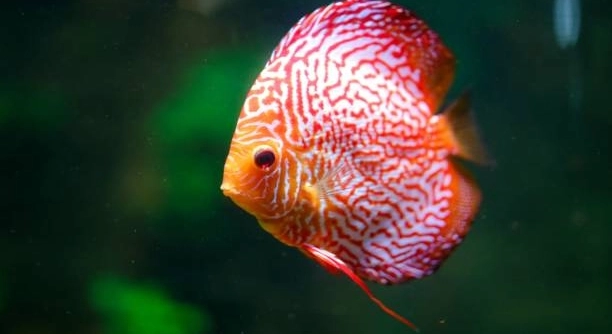
Discus fish are popular pets known for their bright colors and calm nature. Many owners enjoy watching them thrive in their aquariums. Feeding them properly is important to keep them healthy and active every day.
Overfeeding discus fish can lead to serious health problems such as obesity, digestive issues, and poor water quality. Excess food can stress their systems and cause long-term harm, reducing their lifespan and overall well-being.
Learning about the effects of overeating will help you keep your discus fish healthy and happy. Understanding their needs ensures a balanced approach to care and feeding.
Causes of Overeating in Discus Fish
Discus fish may overeat for several reasons, including stress, boredom, or improper feeding schedules. Sometimes, owners give too much food out of concern, not realizing the harm it can cause. Overfeeding can happen if the fish are offered more food than they can eat within a few minutes. Uneaten food settles in the tank, which also affects water quality. Stressful conditions like poor water parameters or aggressive tank mates may cause discus to eat more as a coping mechanism. It’s important to feed only what discus can consume quickly and maintain a regular feeding routine. Over time, overeating affects their digestion and health, making them vulnerable to illness and weakened immune systems.
Regularly monitoring feeding amounts and tank conditions helps prevent these problems. Keeping discus fish on a consistent schedule with balanced portions encourages healthy eating habits.
Understanding what leads to overeating can help avoid health problems and promote a stable environment for discus fish. Small changes in feeding habits make a big difference.
Health Risks Linked to Overfeeding
Overfeeding discus fish leads to obesity, swim bladder problems, and poor water quality, which harms fish health.
When discus fish eat too much, they gain excess weight that stresses their organs. This extra weight can cause swim bladder disease, affecting their ability to swim properly. Poor digestion from overeating may also lead to constipation and bloating. Additionally, uneaten food decomposes, increasing harmful ammonia and nitrite levels in the tank. This pollution stresses fish and can cause infections or even death if not controlled. Maintaining clean water is critical, so overfeeding must be avoided to protect water quality. Regular water changes and good filtration support the tank’s health but cannot fully counteract the damage caused by excess food.
It is best to feed discus fish smaller portions more frequently rather than one large feeding. Using high-quality, easily digestible food helps keep their digestive system healthy. Being mindful of their limits ensures they stay energetic and strong. Observing your fish’s behavior after feeding can also help detect early signs of problems, allowing prompt care and prevention.
How to Prevent Overeating in Discus Fish
Feed your discus only what they can finish in 3-5 minutes. Avoid overfeeding by sticking to a strict schedule and controlling portion sizes.
Using a feeding schedule helps maintain discipline and prevents accidental overfeeding. Typically, feeding discus fish two to three small meals per day works best. Smaller, frequent feedings are easier for their digestion and reduce leftover food in the tank. Measuring the amount of food before feeding avoids guesswork. It’s also helpful to observe how much your fish consume and adjust portions accordingly. Removing uneaten food quickly keeps water clean and reduces risks.
Choosing high-quality, nutrient-rich foods supports discus health and keeps them satisfied longer. Avoid feeding too many fatty or protein-heavy treats, which can lead to overeating and health issues. Variety is good, but balance is key. Providing a consistent routine and quality diet helps keep discus fish fit and lively.
Signs That Your Discus Fish Is Overeating
Discus fish that overeat may show bloating, sluggish movement, and faded colors. Watch for these signs early.
Bloating or swelling around the abdomen often indicates digestive trouble from too much food. Sluggishness can happen because overeating stresses their metabolism and organs. Faded or dull colors might appear as fish weaken over time. Behavioral changes, like less interest in swimming or hiding more than usual, can also signal a problem. Early recognition allows you to adjust feeding and improve tank conditions before serious illness develops.
Regularly checking your discus for these signs is essential for their health. Proper feeding habits and tank maintenance reduce the chances of these symptoms showing up. Being attentive to your fish helps ensure they live a comfortable and healthy life.
Managing Tank Cleanliness After Overfeeding
Uneaten food quickly pollutes the water, harming discus fish health. Regular cleaning is vital to prevent toxic buildup.
Perform frequent water changes and remove leftover food promptly. Use a good filter to maintain water quality.
Adjusting Feeding Habits for Recovery
Cut back feeding amounts and switch to easily digestible foods if your discus shows signs of overeating. Monitor their response carefully.
Feeding smaller portions more often helps the digestive system recover. Avoid rich or fatty foods until the fish returns to normal activity.
When to Seek Veterinary Help
If bloating or lethargy persists despite changes in feeding, consult a fish health professional immediately.
Ignoring serious symptoms can lead to lasting damage or death. Early treatment improves recovery chances.
FAQ
What are the most common signs that discus fish have overeaten?
Discus fish that have overeaten often show a swollen belly or bloating. They may swim slower or seem less active. Sometimes their colors look duller, and they might hide more than usual. These signs suggest their digestive system is struggling. Overfeeding can also cause leftover food to pollute the tank, which stresses the fish further. Watching for these symptoms early helps prevent bigger health problems.
How much should I feed my discus fish daily?
It’s best to feed discus fish two to three small meals a day. Each feeding should only last about 3 to 5 minutes, enough time for them to eat all the food. Giving too much food at once increases the risk of overeating and leftover waste. Measuring the food before feeding can help you control portions better.
Can discus fish recover if they overeat?
Yes, they can recover if you act quickly. Reducing the amount of food and switching to easily digestible, high-quality food helps their digestion heal. Regular water changes to keep the tank clean also support recovery. However, if symptoms like bloating or lethargy last more than a few days, professional help might be needed.
Is it harmful to feed discus fish fatty or protein-rich foods?
Feeding too many fatty or protein-rich foods can lead to overeating and digestive issues. These foods are harder to digest and can cause bloating or constipation. It’s important to provide a balanced diet with variety but avoid overloading on treats. High-quality flakes or pellets designed for discus are usually the safest option.
How often should I clean the tank if my discus overeats?
If your discus overeats, clean the tank more frequently. Removing uneaten food quickly prevents harmful ammonia and nitrite buildup. Doing partial water changes of 25-30% every few days helps maintain good water quality. Good filtration is also necessary to handle the extra waste from overeating.
Can stress cause discus fish to overeat?
Yes, stress can affect their eating habits. If discus feel threatened by aggressive tank mates or poor water conditions, they might eat more to cope. Stress weakens their immune system and makes digestion less efficient. Keeping a calm environment and stable water parameters helps prevent stress-related overeating.
What should I do if my discus fish refuses to eat after overeating?
If your discus stops eating, it might be due to digestive discomfort or illness. Reduce feeding and monitor their behavior closely. Ensure the water quality is excellent and provide gentle care. If the fish remains uninterested in food for more than a couple of days, consider consulting a vet.
Are homemade foods safe for discus fish?
Homemade foods can be safe if prepared properly and balanced. Avoid feeding raw meats or anything that could introduce bacteria or parasites. Foods like finely chopped shrimp or vegetables can be healthy treats in moderation. Always research recipes and introduce new foods slowly to avoid digestive upset.
Can overfeeding cause swim bladder disease in discus fish?
Yes, overfeeding is one common cause of swim bladder problems. Excess food can cause bloating and pressure on the swim bladder, affecting the fish’s buoyancy. Feeding smaller portions and ensuring a balanced diet helps prevent this issue.
Is fasting discus fish a good idea to prevent overeating?
Occasional fasting, such as one day without food per week, can help improve digestion and prevent overeating. It gives their digestive system a break and reduces the risk of constipation. However, fasting should not be done too often, and the fish should be healthy before trying this method.
How do I know if I’m feeding the right amount to my discus?
Watch how much food your discus eat within 3 to 5 minutes. If there is leftover food, reduce the portion size next time. Healthy discus should finish their meals quickly and remain active afterward. Adjust feeding amounts based on their behavior and tank cleanliness.
What role does water temperature play in discus fish eating habits?
Water temperature affects metabolism; warmer water increases appetite, while cooler water slows it down. Maintaining a stable temperature around 82-86°F (28-30°C) helps keep feeding regular and digestion efficient. Sudden changes in temperature can stress fish and disrupt eating patterns.
Can overfeeding lead to shorter lifespan in discus fish?
Chronic overfeeding causes health issues like obesity, organ strain, and poor water quality, all of which reduce discus lifespan. Keeping feeding balanced and the tank clean promotes longer, healthier lives for your fish. Prevention is easier than treating problems later.
Is it necessary to separate an overeating discus from the rest of the tank?
Separating a sick or overeating discus can help monitor feeding and prevent competition. It also reduces stress and allows for targeted care. Use a quarantine or hospital tank if symptoms are severe or if the fish needs medication.
What foods are best to avoid overeating in discus fish?
Avoid feeding too many fatty or rich foods like bloodworms or beef heart regularly. These can cause digestive upset and increase the risk of overeating. Instead, use high-quality pellets or flakes formulated for discus, supplemented occasionally with vegetables or softer treats.
How important is observation in preventing discus fish overeating?
Regular observation is key. Watching your discus during feeding helps you notice how much they eat and detect early signs of overeating or illness. Consistent care and attention allow you to adjust feeding and tank conditions quickly, keeping your fish healthy and happy.
Overfeeding discus fish is a common issue that many owners face, but it can cause serious problems if not managed properly. Discus fish have sensitive digestive systems that can be easily overwhelmed by too much food. When they eat more than they need, it puts strain on their bodies and can lead to bloating, swim bladder problems, and a weaker immune system. It also causes leftover food to settle in the tank, which harms water quality and affects the overall health of all the fish living there. Being aware of the risks and feeding your discus fish carefully helps prevent these problems and keeps your aquarium environment balanced.
Feeding discus fish the right amount requires attention and patience. It is better to feed smaller portions multiple times a day than to give one large feeding. This helps their digestion and reduces waste left in the tank. Watching how much food your fish actually eat within a few minutes is an effective way to control portion sizes. High-quality food made for discus fish supports their health and digestion better than cheaper or fatty options. Avoiding overfeeding also means you need to keep the tank clean with regular water changes and good filtration. Clean water reduces stress on your fish and lowers the risk of disease, making it easier for your discus to thrive.
In the end, the health and happiness of discus fish depend largely on how well their feeding and tank conditions are managed. Overfeeding can be prevented with simple habits like measuring food portions, feeding on a schedule, and observing your fish closely. If signs of overeating appear, adjusting feeding habits quickly and maintaining tank cleanliness can help your discus recover. Taking care of discus fish is rewarding when you see them active and colorful. With careful feeding and good tank care, your discus can live a long, healthy life.

Hello,
If you enjoy the content that we create, please consider saying a "Thank You!" by leaving a tip.
Every little bit helps us continue crafting quality advice that supports the health, happiness, and well-being of pets around the world, for pets of all shapes, sizes, and species.
We really appreciate the kindness and support that you show us!