
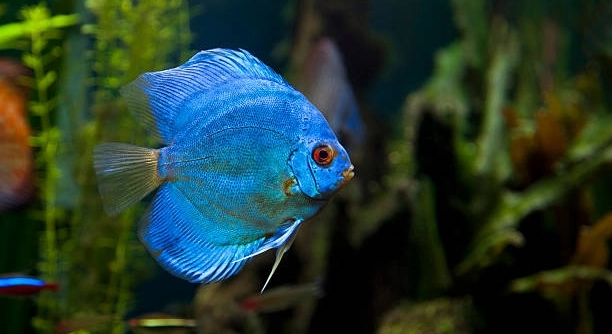
Are your discus fish ignoring floating food despite your efforts to feed them? Many aquarists face this issue, wondering why their vibrant fish show little interest in meals that usually attract other species. Understanding their behavior is key to proper care.
Discus fish may ignore floating food due to their natural feeding habits, water quality preferences, or stress from environmental changes. They typically prefer sinking or slow-sinking food and require stable, clean water conditions for optimal feeding behavior.
Recognizing these factors helps improve feeding success and supports the overall health and well-being of your discus fish in their aquarium environment.
Feeding Habits of Discus Fish
Discus fish are naturally slow eaters and tend to prefer food that sinks rather than floats. In their natural habitat, they feed mostly on small invertebrates and organic matter found near the bottom of the water column. Floating food can often be ignored because it does not match their usual feeding behavior. Their slow approach to food requires patience and careful observation. Additionally, discus are sensitive to sudden changes in their environment, which can cause them to stop eating temporarily. Offering food that sinks slowly or placing food closer to their preferred swimming level can encourage better feeding. It’s important to provide a diet that mimics their natural preferences to keep them healthy. This may include specially formulated pellets or frozen foods designed for discus.
Discus are selective feeders, and understanding their habits improves feeding success and reduces waste.
Providing a varied diet that includes sinking pellets, frozen bloodworms, and finely chopped foods closely mimics their natural diet and encourages better feeding. Maintaining consistency in feeding times and ensuring the water quality is stable further supports their feeding behavior. Observing their preferences helps to adjust the diet accordingly, which benefits their growth and coloration. Patience during feeding sessions allows discus to feel comfortable and reduces stress. If they refuse floating food, switching to sinking alternatives or hand-feeding may help. Avoiding sudden changes in food type or quantity can prevent loss of appetite. Discus thrive when feeding practices align with their natural instincts and environmental needs, ensuring their well-being and longevity.
Water Quality and Environment
Poor water conditions often cause discus to lose interest in floating food. They require soft, warm, and clean water to thrive. Maintaining stable parameters is essential for encouraging feeding behavior and overall health. Sudden fluctuations in temperature or pH can stress them, leading to refusal of food.
Stress from overcrowding or aggressive tank mates may also reduce their appetite. Providing a calm, well-maintained environment helps discus feel secure, making them more likely to eat regularly. Regular water changes and monitoring help maintain ideal conditions for discus.
Tank Setup and Feeding Techniques
Tank setup greatly influences discus feeding habits. A spacious tank with plenty of hiding spots helps reduce stress. Proper lighting and gentle water flow encourage natural behavior. Feeding techniques should match their slow, deliberate style.
Slowly sinking food is often preferred over fast-floating options. Feeding smaller amounts multiple times a day can prevent food from sitting on the surface and going uneaten. Hand-feeding can also help discus recognize food and build trust. It is important to avoid overfeeding, as uneaten food pollutes the tank and harms water quality. Using feeding rings or target feeding can keep food contained and accessible.
Discus may reject floating food if it drifts too quickly or spreads across the surface. Food that sinks slowly allows discus to catch it more naturally. Offering a mix of sinking pellets, frozen foods, and live foods stimulates their interest. Adjusting feeding height in the tank encourages natural movement and better feeding response.
Health and Stress Factors
Discus fish under stress often refuse food, especially floating types. Stress can come from illness, poor water quality, or aggressive tank mates. Observing behavior closely can help identify problems early.
Illness weakens discus and disrupts normal feeding. Maintaining a clean tank and quarantining new fish prevents disease. Stressful conditions trigger hiding or lethargy, leading to reduced appetite. Stable water parameters and a peaceful environment support feeding and recovery. Keeping discus in small groups or pairs helps reduce aggression. Monitoring water temperature between 82°F and 86°F creates an optimal environment for discus health. Addressing stress factors promptly can restore normal feeding behavior and overall vitality.
Choosing the Right Food
Choosing the correct food for discus is crucial. They respond best to high-quality sinking pellets and frozen options like bloodworms or brine shrimp. These foods match their natural diet and encourage feeding.
Avoid fast-floating flakes or pellets that quickly move across the water surface. Such foods often discourage discus from eating.
Feeding Schedule Consistency
Maintaining a consistent feeding schedule helps discus establish a routine. Feeding them at the same times each day reduces stress and improves appetite. Regular small meals are more effective than infrequent large feedings, supporting digestion and preventing uneaten food buildup.
Observation and Adjustment
Regularly observing discus during feeding times helps identify preferences and problems. Adjust feeding methods based on their behavior and appetite. Changes in diet or environment may require gradual adjustments to avoid stress.
Avoid Overfeeding
Overfeeding can cause water quality issues and reduce discus interest in food. Feed only what they can consume in a few minutes.
FAQ
Why do my discus fish ignore floating food?
Discus fish often ignore floating food because it does not match their natural feeding habits. In the wild, they tend to feed on small organisms near the bottom or mid-levels of the water, so floating food may feel unfamiliar or difficult for them to catch. Additionally, fast-floating food can spread quickly across the surface, making it harder for discus to focus on eating. Stress or poor water quality can also reduce their appetite, causing them to ignore food altogether. Offering sinking or slow-sinking pellets and frozen foods that better mimic their natural diet usually improves feeding behavior.
How can I encourage discus to eat floating food?
Encouraging discus to eat floating food takes patience and adjustment. Start by offering food that sinks slowly, bridging the gap between floating and sinking types. You can also feed smaller amounts at a time to prevent the food from dispersing too much on the surface. Hand-feeding can help discus associate food with a safe and familiar source. Ensuring stable water conditions and a low-stress environment supports their willingness to feed. Over time, gradual introduction and consistency may help discus become more comfortable with floating food.
Is it normal for discus to be picky eaters?
Yes, discus fish are naturally picky eaters. Their feeding preferences are closely linked to their environment and instinctual habits. They prefer specific types of food and often reject sudden changes in diet. Discus require patience when introducing new foods. Feeding them a varied diet that resembles their natural foods—such as bloodworms, brine shrimp, and sinking pellets—will satisfy their nutritional needs and reduce pickiness. Maintaining stable tank conditions and minimizing stress are also key factors to keep discus feeding well.
Can water quality affect discus feeding behavior?
Poor water quality is a common reason discus may refuse to eat. They need clean, warm water with stable pH and low levels of toxins like ammonia and nitrites. Even slight fluctuations in water parameters can stress discus, leading to reduced appetite or refusal of food. Regular water changes, proper filtration, and monitoring water conditions are essential to maintain an environment where discus feel comfortable feeding. Clear, stable water quality directly supports their health and feeding habits.
What role does stress play in discus refusing food?
Stress greatly impacts discus feeding behavior. Causes of stress include sudden changes in water temperature, overcrowded tanks, aggressive tank mates, or poor water conditions. When stressed, discus may hide, become lethargic, and refuse food. Reducing stress by providing hiding spots, maintaining stable water parameters, and keeping compatible tank mates helps discus feel secure. A calm environment encourages regular feeding and supports overall health.
How often should I feed discus fish?
Feeding discus fish small amounts two to three times a day is ideal. Frequent feedings allow discus to eat comfortably without overwhelming their slow digestion. Offering several small meals prevents leftover food from polluting the tank and reduces waste. Consistency in feeding times helps discus develop a routine, which improves appetite and feeding success. Avoid overfeeding by observing how much they consume in a few minutes and adjusting accordingly.
What types of food are best for discus fish?
The best foods for discus are high-quality sinking pellets designed specifically for them, frozen bloodworms, brine shrimp, and finely chopped fresh foods. These options provide balanced nutrition and mimic their natural diet. Avoid fast-floating flakes or pellets that disperse quickly, as discus may ignore them. Live foods can also stimulate interest but require careful sourcing to avoid introducing disease. A varied diet promotes health, coloration, and natural feeding behavior.
Can feeding techniques affect discus willingness to eat?
Yes, feeding techniques can significantly influence discus eating habits. Using feeding rings or target feeding helps contain food in one area, making it easier for discus to locate and consume it. Hand-feeding encourages interaction and can reduce hesitation. Feeding smaller portions prevents food from drifting away or contaminating water. Adjusting feeding height to mid-water or near the bottom aligns with discus natural feeding levels. Thoughtful feeding strategies improve intake and reduce wasted food.
How long can discus go without eating?
Discus fish can survive several days without food, usually up to a week, but prolonged fasting can weaken their immune system and health. Occasional fasting is sometimes recommended during illness or water changes, but regular feeding is essential to maintain energy and coloration. If discus consistently refuse food for more than a couple of days, it may indicate stress, poor water quality, or illness that requires attention.
What should I do if discus refuse all types of food?
If discus refuse all types of food, first check water quality and tank conditions. Perform water tests and changes if necessary. Observe for signs of illness or injury. Remove aggressive tank mates to reduce stress. Try offering favorite frozen foods like bloodworms or brine shrimp to entice feeding. Hand-feeding may help build trust. If refusal persists, consult an aquatic veterinarian to rule out disease. Prompt action supports recovery and prevents health decline.
Final Thoughts
Feeding discus fish can be challenging, especially when they ignore floating food. Understanding their natural habits and preferences is key to improving feeding success. Discus naturally prefer food that sinks slowly or stays near the middle or bottom of the tank. Floating food often feels unfamiliar or difficult for them to catch. Adjusting the type of food to sinking pellets or frozen options that better resemble their diet can help encourage regular feeding. Feeding methods that match their slow and careful eating style also make a difference. Small portions given several times a day are easier for discus to manage than large amounts all at once. Consistent feeding schedules help discus get used to when and where food is offered.
Environmental factors play a major role in discus feeding behavior. Stress caused by poor water quality, aggressive tank mates, or sudden changes in the tank can reduce their appetite and cause them to ignore food. Maintaining clean water with stable temperature and pH creates a healthy environment where discus feel comfortable feeding. Providing hiding places and keeping the tank peaceful helps lower stress. Regular water testing and proper filtration are essential to avoid fluctuations that could upset discus. When discus feel safe and the tank conditions are ideal, they are more likely to eat well and show their natural colors.
If discus still refuse floating food despite these efforts, patience is important. Some discus will never fully accept fast-floating food, and forcing it may cause stress. Instead, focus on offering food types that work best for your fish, such as slow-sinking pellets or frozen foods. Pay attention to their behavior and adjust feeding techniques to support their comfort and appetite. Monitoring water conditions, stress levels, and diet variety will promote healthier fish overall. Understanding discus needs and making gradual changes will lead to better feeding success and a more enjoyable aquarium experience.

Hello,
If you enjoy the content that we create, please consider saying a "Thank You!" by leaving a tip.
Every little bit helps us continue crafting quality advice that supports the health, happiness, and well-being of pets around the world, for pets of all shapes, sizes, and species.
We really appreciate the kindness and support that you show us!