
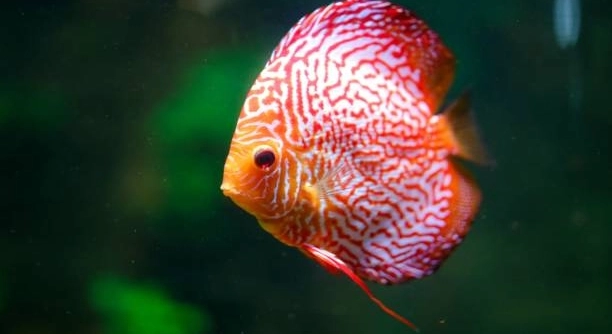
Have you ever tried keeping discus fish and noticed how particular they are about their tank conditions? These vibrant, elegant fish are known for their beauty but can also be quite sensitive to their environment.
Discus fish need soft, slightly acidic water to stay healthy. Their natural habitat in the Amazon basin features low mineral content and gentle pH levels. Maintaining these water conditions supports their immune function, stress levels, and overall well-being in captivity.
Learning how to manage water hardness correctly can make a big difference in your discus fish’s health and happiness.
Why Soft Water Matters for Discus Fish
Soft water closely matches the conditions found in the Amazon River, where discus fish naturally live. The low mineral content helps them absorb nutrients properly and supports better gill function. When the water is too hard, the excess minerals can affect their digestion and make it harder for them to breathe. Soft water also reduces stress and keeps the fish more active and responsive. It encourages better coloration and supports their immune system, which is especially important since discus are prone to illness when conditions are off. Most importantly, it improves their breeding behavior and overall quality of life. Keeping the water soft also helps maintain a stable pH level, which is essential for their long-term health. Many owners use reverse osmosis (RO) water mixed with a small amount of tap water to control hardness. This method is both reliable and practical for creating a stable tank environment.
Soft water helps discus fish feel safe and comfortable. The right balance supports their overall behavior, feeding habits, and appearance.
Using soft water regularly can also prevent many common issues. Discus tend to be more prone to illness in hard water tanks. Their stress levels rise, and it becomes harder to maintain consistency. Water hardness affects everything from ammonia processing to skin irritation. Fish living in harder water often show slower growth, dull colors, or poor appetite. If you’re raising young discus or working with more sensitive varieties, the importance of soft water becomes even more noticeable. It’s also easier to keep the tank pH stable when the water isn’t filled with buffering minerals. Regular testing and adjustments are necessary, but once a pattern is established, it becomes a part of your normal care routine. You don’t need to obsess over every number, but keeping the general hardness low and the environment steady will lead to better results over time.
How to Adjust Water Hardness for Discus
Many aquarists use reverse osmosis (RO) units to soften water. This method removes minerals and gives you more control over the tank’s parameters.
Start by testing your tap water’s general hardness (GH) and carbonate hardness (KH). If both are high, you’ll likely need to dilute it with RO water. A 50:50 mix of RO and dechlorinated tap water is a common starting point. From there, adjust until GH falls around 3–4 dGH and KH stays low enough to keep the pH slightly acidic, ideally between 6.0 and 6.5. Commercial remineralizers can help you maintain trace elements necessary for biological functions. Always let the new water mix sit for several hours before use, and recheck the pH and hardness. Change water regularly and avoid large shifts in composition. A stable tank is better than chasing perfect numbers. Be consistent, test weekly, and adjust as needed without overcomplicating things. Gradual changes make it easier for your discus to adapt without added stress.
Signs Your Water Is Too Hard for Discus
Hard water can lead to several noticeable changes in discus behavior and appearance. You may see reduced appetite, darker coloration, or a more sluggish attitude. These fish may also hide more often or show irregular swimming patterns.
Their gills might move faster as they struggle to breathe properly. You could also see signs of skin irritation, such as clamped fins or rubbing against surfaces. If the pH stays above 7.5 and the GH is consistently high, your discus may become stressed. Long-term exposure can weaken their immune system, making them more vulnerable to disease. Even when feeding them well, they might not grow at the expected rate or may appear duller than usual. Regular testing and careful observation can help you catch these signs early before they lead to more serious problems. Adjusting the water gradually can help them return to normal.
Breeding issues are another common sign. In harder water, discus often lose interest in spawning or may lay eggs that don’t survive. Even if they do hatch, the fry may struggle to grow properly. This can be frustrating if you’ve been trying to breed them without success. Soft water plays a key role in supporting their reproductive health. In some cases, you might also notice increased aggression or territorial behavior, which often comes from discomfort or stress. These subtle shifts are easy to miss at first but can point to bigger water quality issues. Once the hardness is lowered and the tank stabilized, behavior typically improves within a few days to a week.
Simple Ways to Keep Water Soft
Keep your water soft by using RO water and limiting mineral-heavy sources. Avoid substrates and decorations that raise hardness, such as limestone or coral. Stick to sand or inert gravel, and rinse everything before adding it.
Perform regular water changes with a consistent RO-to-tap ratio. Always treat tap water with a good conditioner before mixing. Use a remineralizer suited for soft-water fish to maintain trace elements without increasing hardness. Monitor GH and KH weekly using a reliable test kit, and take notes to track any changes. Limit the use of baking soda or crushed coral unless your KH drops dangerously low. It’s easier to prevent problems than correct them later. Keep your tank lightly stocked, as fewer fish produce less waste, reducing the need for drastic adjustments. Stability is more important than perfection, so aim for consistency and avoid frequent or sudden changes to your setup.
What to Avoid When Managing Water Hardness
Avoid using untreated tap water if it has high mineral content. It can quickly raise the GH and KH, stressing your discus. Skipping regular water changes also allows minerals to build up and affect water balance.
Stay away from substrates or rocks that contain calcium or magnesium. These materials dissolve over time and increase hardness. Always research what you’re adding to your tank before using it.
Tools That Help You Maintain Soft Water
A reverse osmosis (RO) unit is one of the best tools for softening water. It filters out minerals and gives you full control over the base water quality. Digital GH and KH test kits provide more precise readings than test strips, making it easier to track changes. A TDS (total dissolved solids) meter is also helpful for measuring overall water purity. When mixing RO with tap water, use a clean container and measure everything carefully. Store-bought remineralizers can replenish essential elements without raising hardness too much. Using a clean storage drum and water pump simplifies water changes and avoids introducing new contaminants.
When to Test Water Hardness
Test GH and KH once a week or anytime your discus show signs of stress. Regular testing helps keep your tank stable.
FAQ
Can discus fish survive in hard water?
Discus fish can survive in slightly hard water, but they won’t thrive. Hard water makes it harder for them to absorb nutrients and oxygen properly. Over time, this leads to stress, poor coloration, slower growth, and a higher risk of illness. While they may appear fine at first, long-term exposure to hard water can shorten their lifespan and impact their behavior. For best results, keep the water soft and stable. Using reverse osmosis (RO) water mixed with tap water gives better control over hardness levels without removing all essential minerals.
What is the ideal GH and KH for discus fish?
The ideal general hardness (GH) for discus fish is between 1–4 dGH. This level supports healthy biological functions without overloading the fish with minerals. Carbonate hardness (KH) should stay between 1–3 dKH, which helps maintain a slightly acidic pH between 6.0 and 6.5. If the KH is too high, the pH will also rise, stressing the fish. Maintaining these ranges allows discus to behave more naturally and reduces the risk of health problems. Regular testing helps prevent sudden spikes. Always make adjustments slowly and carefully to avoid stressing the fish further.
How often should I change water in a discus tank?
Discus tanks benefit from frequent, smaller water changes. For soft water setups, 20–30% every 2–3 days works well. This prevents mineral buildup and keeps the water stable. In heavily stocked or breeding tanks, some keepers change water daily. Always match the temperature and water parameters when adding new water. Using a consistent RO-to-tap ratio helps maintain ideal hardness levels. If your tank is lightly stocked, you might get by with two water changes per week, but always test first. The goal is to keep water quality stable and avoid sudden shifts.
Do I need a reverse osmosis (RO) unit for discus fish?
An RO unit isn’t required, but it helps a lot. It gives you more control over your water’s mineral content. If your tap water is naturally soft and has a neutral pH, you might not need RO. But in most areas, tap water is too hard or has high alkalinity. RO units remove excess minerals and allow you to start with a clean base. You can then add back only what your discus need. For breeding, RO water is especially useful. It gives the fry a better chance at survival and growth.
How do I lower water hardness without RO water?
You can use distilled water or rainwater, but both have downsides. Distilled water lacks all minerals and must be remineralized before use. Rainwater may contain pollutants if collected improperly. Another option is using peat moss in your filter or adding Indian almond leaves, which naturally soften water and lower pH. However, these methods work slowly and don’t offer precise control. Commercial water softeners designed for aquariums are available but may not always be effective or safe for all species. If you’re serious about maintaining soft water, an RO unit is more reliable.
Can I mix soft water fish with discus?
Yes, but you need to choose compatible species that also prefer warm, soft, and slightly acidic water. Cardinal tetras, rummy nose tetras, and certain corydoras species do well in discus tanks. Avoid fish that prefer hard water or more aggressive species that might stress your discus. Tankmates should also tolerate high temperatures, as discus prefer water between 82–86°F (28–30°C). Always research the care needs of each species before adding them. Keeping the tank peaceful and stable is key to helping your discus feel secure and stay healthy.
How do I test water hardness accurately?
Use a liquid GH/KH test kit or a digital water testing meter. Liquid kits are more accurate than test strips and are affordable. Test the tank water once a week and record your results in a log. This helps you catch small changes early and adjust before they become serious. For more precision, a TDS (total dissolved solids) meter helps track overall mineral content. Make sure your test kits are not expired, as old reagents can give incorrect readings. Testing regularly builds a better routine and keeps your discus healthy.
Is it okay to use water conditioners with RO water?
Yes, and in most cases, it’s necessary. RO water removes everything, including trace minerals and chlorine, so using a water conditioner helps neutralize any remaining contaminants and reintroduce essential elements. Many aquarists use a specialized remineralizer designed for soft water fish. Avoid conditioners that increase GH or KH unless you are correcting an imbalance. Some products are made for hard water setups and can raise mineral levels quickly. Always read labels and choose products designed for discus or soft water tanks. Balanced conditioning supports a healthier environment and reduces stress.
Final Thoughts
Keeping discus fish healthy involves more than just feeding them well or cleaning the tank often. One of the most important parts of discus care is water softness. These fish come from the Amazon, where the water is naturally soft and slightly acidic. Trying to keep them in hard or alkaline water usually leads to stress, poor growth, weak immune systems, and even early death. If you’re serious about keeping discus, understanding and controlling water hardness is not optional. It’s a key part of making sure they stay healthy and active.
Soft water helps discus thrive by supporting natural biological functions and reducing the mineral load on their bodies. It also creates a more stable pH, especially important since these fish do not handle sudden changes well. Whether you’re keeping them for display or breeding, soft water encourages better behavior, stronger color, and improved breeding success. Using tools like reverse osmosis (RO) units, test kits, and remineralizers makes it easier to maintain the correct conditions. Testing water regularly allows you to stay ahead of problems, especially when adjusting GH and KH levels. These small actions make a big difference in long-term health and comfort.
Maintaining soft water may take more time and effort, but the results are worth it. With a steady routine, even beginners can learn how to balance hardness and pH. If your tap water is not ideal, you still have options like mixing RO water with a small amount of tap water or using other softening methods. As long as you test and adjust carefully, you’ll be able to give your discus a stable and supportive environment. Watching your fish swim confidently in clear, soft water is one of the best parts of keeping discus. It shows that you’ve created a space where they feel safe and can live well.

Hello,
If you enjoy the content that we create, please consider saying a "Thank You!" by leaving a tip.
Every little bit helps us continue crafting quality advice that supports the health, happiness, and well-being of pets around the world, for pets of all shapes, sizes, and species.
We really appreciate the kindness and support that you show us!