
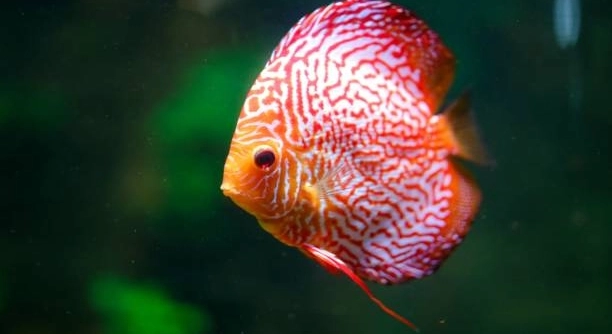
Discus fish are popular aquarium pets known for their bright colors and graceful movements. Sometimes, owners notice their discus swimming backward, which can be puzzling and concerning. This behavior is unusual and often causes confusion among fishkeepers.
Discus fish swimming backward usually indicate stress, discomfort, or environmental problems such as poor water quality, inappropriate tank conditions, or illness. Addressing these factors promptly can help restore normal behavior and ensure the fish’s well-being.
Understanding why discus behave this way is important for maintaining a healthy aquarium. Learning what causes this behavior can help you take better care of your fish and prevent future issues.
Common Causes of Backward Swimming in Discus Fish
Discus fish may swim backward for several reasons, often related to their environment or health. Poor water quality is one of the main factors. High ammonia, nitrite, or nitrate levels can cause discomfort and stress. Improper temperature or pH levels also affect their behavior. Sometimes, overcrowding in the tank leads to aggression or fear, causing fish to act strangely. Illnesses or parasites can disrupt normal swimming patterns, making fish appear unsteady or swim backward. Another reason can be stress from sudden changes like moving the fish or altering tank conditions too quickly. Lack of hiding places or poor diet may also contribute. Keeping water clean, stable, and providing a calm environment is essential for preventing this behavior.
Regular water testing and maintaining a consistent environment can greatly reduce backward swimming. Monitoring tank conditions and fish health is important to catch any issues early.
Addressing water quality first is usually the best approach. Testing kits can help identify harmful substances quickly. Feeding a balanced diet and ensuring enough space will improve fish comfort. If illness is suspected, quarantine and treatment may be necessary. Adding plants or decorations can reduce stress and create hiding spots. Observing your discus daily will help you notice changes early and react promptly. Consistency in care keeps discus healthy and swimming normally.
How to Improve Your Discus Fish’s Environment
Keeping the tank clean and stable helps discus feel safe and healthy. Regular water changes and testing are key to good water quality. Proper temperature and pH balance are important to mimic their natural habitat. Avoid sudden changes to the tank setup or water parameters.
Creating a calm environment with plenty of hiding spots reduces stress. Using plants, driftwood, or decorations allows the fish to retreat when needed. Overcrowding should be avoided, as it increases tension and may cause unusual behavior. Feeding a nutritious, varied diet supports their immune system and overall health. Paying attention to these details makes a big difference in your discus fish’s well-being and can stop backward swimming.
Identifying Health Issues in Discus Fish
Swimming backward can signal illness or parasites. Look for other signs like clamped fins, loss of appetite, or unusual spots. Early detection is key to treatment.
Parasites such as ich or internal worms cause discomfort that changes swimming behavior. Bacterial infections can weaken fish and affect balance. If you notice these symptoms, isolating the affected fish helps prevent spread. A water test can confirm if poor conditions contribute to health problems. Consult with a vet or fish expert for accurate diagnosis and treatment options.
Maintaining a clean tank and balanced diet strengthens your discus’s immune system. Use medications carefully and follow instructions to avoid harm. Quarantine new fish before adding them to your main tank to reduce disease risks. Regular observation helps catch health issues early and keeps your discus swimming well.
Adjusting Tank Conditions for Better Fish Behavior
Stable water temperature between 82°F and 86°F suits discus best. Sudden changes stress them and may cause unusual swimming. Consistent pH around 6.0 to 7.0 is ideal. Test water regularly to maintain balance.
Providing enough space reduces territorial disputes that can make fish swim backward. A minimum of 10 gallons per discus is recommended. Avoid overcrowding by limiting tank mates. Ensure good filtration and gentle water flow to keep water clean but not too strong. Proper lighting mimics natural conditions and supports fish health. Adjusting these elements creates a comfortable habitat where discus can swim normally and thrive.
Stress Factors Affecting Discus Behavior
Stress is a common reason discus swim backward. Changes in the tank or loud noises can upset them. Stress lowers their immune system, making them more prone to illness.
Handling fish roughly or introducing aggressive tank mates also causes stress. Keeping a calm environment helps discus feel safe and reduces backward swimming.
Feeding and Nutrition Impact on Swimming
A poor diet can weaken discus, affecting their energy and balance. Feeding high-quality foods rich in protein and vitamins supports their health. Avoid overfeeding to prevent water quality issues that cause stress and illness.
Balanced nutrition helps discus swim actively and maintain normal behavior. Offering a variety of foods, such as pellets, frozen, and live options, ensures they get necessary nutrients for strength and vitality.
When to Seek Professional Help
If your discus continues swimming backward despite improvements, professional advice is necessary. Persistent symptoms often signal underlying health issues.
Veterinarians or experienced aquarists can diagnose problems and suggest treatments. Don’t wait too long to get help to protect your fish’s well-being.
FAQ
Why is my discus fish swimming backward suddenly?
Sudden backward swimming often points to stress or illness. Changes in water quality, temperature, or tank setup can upset your fish. Parasites or infections may also cause this behavior. It’s important to check water parameters and look for other symptoms like loss of appetite or spots. Acting quickly helps prevent the issue from worsening.
Can poor water quality make discus swim backward?
Yes, poor water quality is one of the leading reasons discus swim backward. High levels of ammonia, nitrite, or nitrate can irritate their gills and skin, causing discomfort. Low oxygen levels and unstable pH also affect their ability to swim properly. Keeping the tank clean and testing water regularly is crucial for healthy discus behavior.
Is backward swimming normal for discus fish?
No, backward swimming is generally not normal for discus. Healthy discus swim calmly and smoothly forward. Backward swimming usually signals something is wrong—stress, illness, or poor environment. Occasional brief backward movement might happen but repeated or prolonged backward swimming requires attention.
How can I improve water conditions for my discus?
Perform regular partial water changes, at least 25-30% weekly. Use a reliable test kit to monitor ammonia, nitrite, nitrate, pH, and temperature. Maintain temperature between 82°F and 86°F and pH near 6.5. Use a good filter and avoid overfeeding to reduce waste buildup. Adding live plants can help stabilize water quality.
Could tankmates cause my discus to swim backward?
Yes, aggressive or overly active tankmates can stress discus, causing unusual swimming behavior. Discus prefer peaceful companions. Avoid fish that nip fins or chase others. Providing hiding spots helps reduce stress from tankmates. Sometimes separating aggressive fish is necessary to protect your discus.
What should I do if I suspect illness in my discus?
Isolate the affected fish in a quarantine tank. Observe for other symptoms like spots, clamped fins, or lethargy. Test water to rule out environmental causes. Use appropriate medications based on diagnosis. Consulting an aquatic veterinarian or experienced hobbyist can guide you through treatment safely.
Does diet affect discus swimming behavior?
Yes, diet plays a big role in discus health and activity. Poor nutrition weakens their immune system and can affect balance and swimming. Feed high-quality, protein-rich foods like pellets, frozen bloodworms, and brine shrimp. Avoid overfeeding and remove uneaten food to maintain water quality.
Can stress cause long-term backward swimming?
Stress can cause repeated backward swimming if not addressed. Chronic stress weakens fish and can lead to illness. Reducing noise, handling fish gently, maintaining stable tank conditions, and avoiding overcrowding help minimize stress. A calm environment encourages normal swimming behavior.
How often should I test my aquarium water?
Testing once a week is ideal for discus tanks. Regular testing helps catch issues early before fish are affected. If you notice behavioral changes like backward swimming, test immediately. Keep a log to track changes and maintain stable conditions.
What tank size is best for discus to prevent stress?
A minimum of 10 gallons per discus is recommended to provide enough space and reduce aggression. Larger tanks allow better water stability and swimming room. Overcrowding causes stress, which may lead to backward swimming and other health problems. Planning tank size carefully supports healthy discus behavior.
Discus fish are beautiful and delicate creatures that require careful attention to their environment and health. When they start swimming backward, it usually means something in their care needs to be adjusted. This behavior is a sign that your discus may be feeling stressed, uncomfortable, or unwell. Understanding the reasons behind this can help you take the right steps to improve their condition. It is important to remember that discus fish depend heavily on stable water conditions, proper diet, and a peaceful tank environment to stay healthy and happy.
Maintaining good water quality is one of the most important things you can do for your discus fish. Regular water testing and changing a portion of the water weekly keep harmful chemicals at safe levels. Temperature and pH balance should be checked often, as discus thrive in warm, slightly acidic water. Additionally, making sure your tank is not overcrowded and that the fish have enough space to swim calmly can reduce stress. Providing hiding spots and choosing compatible tankmates can also create a safer, more comfortable environment for your discus.
If your discus continues to swim backward despite good water care and a proper diet, it may be a sign of illness or parasites. Watching for other symptoms and seeking professional advice can prevent the problem from getting worse. Early treatment is key to helping your fish recover quickly. With patience and consistent care, you can help your discus regain their normal behavior. Taking the time to understand and meet their needs will ensure your discus fish remain healthy and lively, swimming forward with grace and ease.

Hello,
If you enjoy the content that we create, please consider saying a "Thank You!" by leaving a tip.
Every little bit helps us continue crafting quality advice that supports the health, happiness, and well-being of pets around the world, for pets of all shapes, sizes, and species.
We really appreciate the kindness and support that you show us!