
Have you ever been drawn to the soft, flowing movement of a fish tank and noticed one fish that stood out more than the rest?
Discus are different from other fish due to their round, disc-like shape, calm behavior, and unique care requirements, which include warmer water, specific diets, and peaceful environments that mimic their natural Amazon habitat.
Their gentle nature and stunning patterns offer more than beauty—they bring a distinct rhythm to any aquarium that sets them apart from other species.
Discus Have a Shape and Style All Their Own
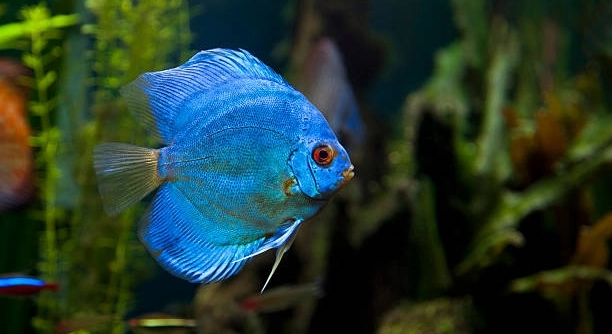
Discus are easy to recognize because of their unique body shape. They are flat, round, and almost look like spinning coins in the water. Their fins flow softly behind them, making their movement look smooth and calm. These fish come in a variety of colors and patterns, ranging from solid reds and blues to spotted or striped designs. Their eyes are usually bright and noticeable, adding to their elegant look. This appearance isn’t just for show—it actually helps them blend into their natural environment in the Amazon River, where light filters through thick plants. Discus fish prefer to swim in groups, and their graceful motion creates a peaceful scene. Many people choose them for display tanks because of how they stand out without being flashy. They’re not flashy swimmers or fast movers. They glide slowly and stay collected, adding a quiet beauty to any space.
Their appearance alone makes them special, but that’s only part of the story.
Discus are known for needing very specific care. They thrive in warm, soft water with a stable temperature—typically between 82–86°F. Because they are sensitive to change, the tank must be clean and balanced at all times. Feeding is also more detailed. While other tropical fish can eat a basic flake diet, discus often need a mix of high-protein food like beef heart blends, bloodworms, and special pellets. Many owners even prepare homemade meals to meet their needs. They also don’t handle stress well, so they must be kept with calm tank mates. Loud or aggressive fish can affect their health. Lighting should be soft, and plants or hiding spots help them feel secure. These added responsibilities can be difficult for new keepers. However, those who stay consistent usually find the process rewarding. Discus can live up to 10 years, showing their true beauty over time.
Behavior Sets Them Apart
Discus are calm and quiet. They often group together and swim in peaceful patterns. They do not chase each other or act out in aggressive ways.
Unlike other fish that may be active or aggressive, discus display steady, collected behavior. They enjoy being in small groups, known as schools, where they move together in unison. This behavior makes them relaxing to watch and easy to care for in the right setting. Their group habits are not just for looks—it helps them feel safe. When alone, a discus can become anxious or stop eating. That’s why it’s important to keep at least five or six in a tank. They also form small bonds within their group, sometimes pairing off when it’s time to breed. These quiet, shared behaviors are part of what makes discus so enjoyable. Their actions are slow and steady, which matches their overall calm nature. Watching them can feel peaceful and comforting over time.
Discus Have Special Breeding Habits
Discus form pairs before breeding, often choosing one mate for several cycles. They clean a flat surface together and guard their space. Their care for eggs and young is stronger than what most fish show.
Once the pair is ready, they usually lay their eggs on vertical surfaces like broad leaves or tank walls. Both parents take turns fanning the eggs to keep them clean and oxygenated. After the eggs hatch, discus parents produce a special slime on their skin, which the fry feed on for the first week or two. This slime provides all the nutrients young fish need to grow during their early days. It’s rare to see this level of parental care in fish. Most tropical species leave their eggs unattended, but discus stay involved. Their calm nature extends into parenting, making the process smoother and less stressful for both the fish and their keeper.
Raising discus fry requires stable conditions. The water must remain clean and warm, and the tank should be free from strong currents or distractions. If the parents feel stressed, they may stop producing slime or eat the eggs. That’s why breeders often set up separate tanks just for pairs. It helps the fish stay focused and calm. Fry begin to swim freely after a few days and will stick close to their parents. Over time, they shift from feeding on slime to small, prepared foods like baby brine shrimp. The process takes patience and care. But for those who manage it well, the reward is a healthy, growing group of new discus. Watching them grow is both calming and rewarding when done right.
They Need Clean and Consistent Water
Discus are very sensitive to changes in water quality. Their health depends on soft, warm, and clean water. Even small shifts can stress them out or cause illness, so stable conditions are essential.
The best setup for discus includes a steady water temperature between 82°F and 86°F, with low hardness and slightly acidic pH—around 6.0 to 6.5. Daily or every-other-day water changes are common among keepers, especially when feeding heavily or raising fry. Filtration must be strong enough to keep the water clean but gentle enough not to disturb their swimming. Some keepers use reverse osmosis filters to manage water softness more precisely. Waste buildup can lead to bacteria or parasites that discus are especially vulnerable to. Because of this, keeping a close eye on ammonia, nitrite, and nitrate levels is important. The more stable the tank, the healthier the discus will be. Consistency matters more for them than it does for many other tropical fish.
Discus Have Unique Dietary Needs
Discus need a protein-rich diet to stay healthy. They often eat beef heart, bloodworms, and special discus pellets. Flake food isn’t enough. Their meals must be clean and fresh to avoid health problems.
Feeding should be done two to three times a day in small amounts. Leftover food must be removed quickly to keep the water clean.
They React Strongly to Stress
Discus show stress more than many fish. Rapid breathing, faded colors, or hiding often mean something is wrong. They need calm tank mates and a quiet setting. Bright lights or loud sounds can bother them.
Discus Are Not Beginner Fish
Their care takes time, knowledge, and close attention. For new keepers, it can feel overwhelming at first. But with patience, they can thrive and become a peaceful highlight in any aquarium.
FAQ
Are discus fish hard to care for?
Yes, they can be hard to care for, especially for beginners. Discus fish need warm, clean water with stable pH and low hardness. They are sensitive to stress, changes in their environment, and poor water quality. Feeding must be done carefully with a focus on high-protein foods. Daily or frequent water changes are often required. They also prefer to live in groups, which means a larger tank is necessary. If you’re new to keeping fish, it’s best to gain experience with easier species first. But if you’re willing to commit to the time and care they need, discus can do very well.
How many discus should be kept together?
Discus are social fish and should not be kept alone. The ideal number is at least five to six in one tank. They form a loose group, which helps reduce stress. Keeping fewer can cause bullying or anxiety in the smaller group. A larger group spreads out any aggression and creates a calm tank environment. It’s also easier to notice changes in behavior when they’re part of a group. Keep in mind that more fish means a bigger tank and more waste, so water changes and filtration will need to be managed carefully.
What size tank do I need for discus?
For a small group of 5–6 discus, a tank of at least 55 gallons is needed. Larger is always better, especially if you want to add other fish. Discus are tall fish, so the height of the tank is just as important as the length. They also need space to swim calmly and enough room to avoid each other when needed. A crowded tank can lead to stress, fights, or illness. Along with enough space, good filtration and regular water changes are needed to keep the environment stable.
Can discus live with other fish?
Yes, but you have to choose tank mates carefully. Discus are peaceful and do not compete well for food. Avoid aggressive or fast-swimming fish that might stress them out or outcompete them at mealtime. Good tank mates include cardinal tetras, rummy nose tetras, corydoras catfish, and some types of dwarf cichlids. All tank mates should prefer the same warm temperature and calm conditions. Watch for signs of stress in your discus if adding any new fish. It’s also best to introduce tank mates slowly and monitor behavior closely.
How often should I feed discus fish?
Discus fish should be fed two to three times a day. Each feeding should be small enough that the food is eaten within a few minutes. Overfeeding can lead to water quality problems, so it’s important to clean up any uneaten food right away. Young discus may need to eat more often, sometimes up to five times a day, depending on their age and size. A mix of high-protein foods like beef heart, bloodworms, brine shrimp, and special pellets works best. Keeping a regular feeding schedule helps them stay healthy and reduces stress.
Why are my discus hiding or losing color?
These are common signs of stress. Sudden changes in water temperature, poor water quality, or the presence of aggressive tank mates can cause discus to hide or fade in color. Loud noises, strong lighting, or being kept alone can also lead to these signs. It’s important to check water parameters right away if you notice these changes. Even small shifts in pH or ammonia can affect them. Make sure their environment is calm and stable. If nothing improves, consider checking for illness or internal parasites, as discus can be vulnerable to both.
How long do discus fish live?
With proper care, discus fish can live up to 10 years. Some even live longer in well-maintained tanks. Their lifespan depends on diet, water quality, and overall environment. Consistent care and routine maintenance are key. Avoiding stress, keeping tank mates compatible, and feeding a balanced diet all help extend their life. Many people don’t see their discus live this long because they don’t keep up with care. But those who do often find them to be rewarding, long-term pets.
Do discus fish need plants in the tank?
Plants aren’t required, but they help. Live or artificial plants give discus places to hide and feel secure. Some owners prefer bare-bottom tanks to make cleaning easier, especially for breeding. But adding plants can reduce stress and make the tank feel more natural. Just make sure any live plants you choose can handle the warm temperatures discus need. Java fern, Amazon swords, and anubias are good choices. Plants also help with water quality by absorbing excess nutrients, which is useful in a discus setup.
What temperature do discus fish need?
Discus thrive in warmer water than most tropical fish. The ideal temperature range is 82°F to 86°F. Keeping the water within this range helps their immune system and overall health. If the temperature drops too low, they become more vulnerable to disease and may stop eating. Use a reliable heater and a thermometer to keep the temperature steady. Sudden changes in temperature can lead to stress or illness, so always check the temperature before doing water changes or adding new water to the tank.
Final Thoughts
Discus fish are not like most tropical fish. Their shape, colors, and behavior make them stand out in any aquarium. They are quiet, graceful, and tend to move in calm patterns. Watching them swim together can be very peaceful. But they are also more sensitive than many other types of fish. They need warm water, a steady environment, and special food to stay healthy. Their care is not hard if you follow the basics, but it does take effort and regular attention. Some people enjoy the routine of checking the tank and making sure everything stays in balance. Others might find it too much, especially if they are new to keeping fish.
Keeping discus healthy means being consistent. They do best with stable water conditions, frequent water changes, and calm tank mates. They do not like stress, loud noises, or aggressive fish around them. This is why planning ahead is so important. If their needs are met, they usually stay active, eat well, and show off their full colors. They also have interesting habits, especially when they form pairs and raise fry. This makes them even more special for people who are ready to take on the responsibility. Over time, owners often find that caring for discus becomes a rewarding routine. The bond that builds through regular care makes the experience meaningful.
Discus may not be the best choice for someone just starting out with fishkeeping. Their needs are more demanding than most, and they are quick to show signs of stress when something is off. But for those who are willing to learn and stick to a care routine, they offer something rare. Their quiet beauty and social habits make them different from any other fish. They bring a calm presence to a tank and often become the main attraction in a home aquarium. Like any living thing, they do best when they are understood and cared for properly. With time, patience, and a little daily attention, discus fish can live long, healthy lives. Whether you’re keeping them alone or in a group with other peaceful species, they offer a unique kind of satisfaction. Keeping them may not always be easy, but it is often worth the effort for those who enjoy calm, quiet fish that need just a little extra care.

Hello,
If you enjoy the content that we create, please consider saying a "Thank You!" by leaving a tip.
Every little bit helps us continue crafting quality advice that supports the health, happiness, and well-being of pets around the world, for pets of all shapes, sizes, and species.
We really appreciate the kindness and support that you show us!