
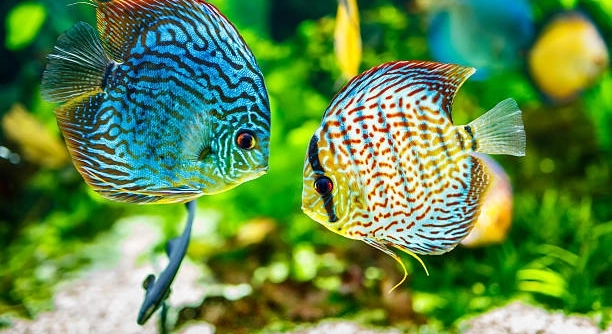
Discus fish are fascinating freshwater creatures often kept in home aquariums. Many fishkeepers want to understand how these colorful fish interact with each other. Learning their communication methods helps create a better environment for them.
Discus fish communicate mainly through body movements, color changes, and subtle sounds. These signals help them express mood, establish territory, and coordinate social behaviors within their groups. Communication is essential for their survival and social structure.
Understanding these communication cues can improve how you care for discus fish. It also deepens your appreciation of their complex behaviors in the aquarium setting.
How Discus Fish Use Body Language
Discus fish rely heavily on body language to communicate. They use their fins, body posture, and swimming patterns to send messages to others. For example, when a discus flares its fins and puffs up its body, it is often showing dominance or warning others to stay away. On the other hand, relaxed swimming with smooth fin movements usually signals calmness and comfort. Changes in how close they swim to one another also reveal social bonds or conflicts. Watching these subtle movements helps understand what discus fish are feeling without any sound.
Body language is the most common and visible way discus fish express themselves in their aquarium environment. It helps keep their social groups organized.
By paying close attention to these signs, aquarists can better interpret fish behavior. This knowledge can prevent stress or aggression and create a peaceful tank where discus fish thrive.
The Role of Color Changes in Communication
Discus fish often change their color to send signals. These shifts can indicate mood, health, or social status. Darker colors usually show stress or aggression, while brighter colors mean the fish feels safe and healthy. Color changes can also happen during mating rituals or when a discus defends its territory. This method is fast and clear for other fish to understand.
When discus alter their color, it helps maintain balance in the group. It’s a way of “talking” without movement or sound.
Noticing these color changes helps fishkeepers respond appropriately. For instance, if a fish looks darker often, it might need a quieter space or better water quality. Learning to read these signals adds an important layer to caring for discus fish and understanding their natural instincts.
Sounds and Vibrations in Discus Communication
Discus fish produce soft sounds and vibrations to communicate, especially during social interactions or mating. These noises are usually too faint for humans to hear without special equipment. Vibrations travel through the water and help discus send messages over short distances.
These subtle sounds play a role in establishing territory and reducing aggression. When two discus approach each other, one might emit vibrations to signal dominance or warn the other to keep distance. During mating, vibrations help coordinate behaviors between partners. This form of communication complements their body language and color changes, adding another layer of complexity to their interactions.
Although difficult to detect without tools, understanding that discus use sound highlights the importance of a quiet tank environment. Loud disturbances may interfere with these delicate communication signals, causing stress or confusion among the fish.
Importance of Understanding Discus Communication
Recognizing how discus communicate improves tank management and fish wellbeing. Clear communication helps reduce stress, aggression, and misunderstandings in the aquarium. Knowing what their signals mean allows adjustments to their environment.
When discus feel safe and understood, they display better health and natural behaviors. This knowledge helps maintain a peaceful community tank, which is crucial for their long life. Understanding their communication also makes caring for discus more rewarding, as you can respond thoughtfully to their needs. It deepens the connection between you and your fish, even without words. Paying attention to signals ensures a balanced, happy aquarium environment for discus fish.
Signs of Stress in Discus Fish
Discus fish show stress through changes in behavior and appearance. They may hide more, lose their bright colors, or stop eating. These signs mean something in their environment needs attention.
Stress can come from poor water quality, overcrowding, or sudden changes. Watching for these signals helps keep discus healthy and comfortable.
How to Respond to Aggression
Aggression in discus fish often shows as chasing, fin flaring, or biting. It usually happens when they compete for space or mates. To reduce aggression, provide plenty of hiding spots and enough room for each fish. Separating overly aggressive individuals can help maintain peace in the tank.
Using Lighting to Aid Communication
Proper lighting affects how discus communicate. Soft, natural lighting helps show their colors clearly, which is important for social signals. Bright or harsh lights can stress the fish and hide subtle color changes. Using adjustable lighting can support healthy communication and reduce stress.
Creating a Calm Environment
A calm tank reduces stress and improves communication among discus fish. Minimize loud noises and sudden movements near the aquarium to keep the environment peaceful.
FAQ
How do discus fish show they are happy?
Discus fish show happiness by swimming calmly and displaying bright, vivid colors. They will often interact gently with other fish and explore their surroundings without hiding. Relaxed fins and smooth, steady movements are good signs they feel safe and comfortable in their environment.
Why does my discus fish change color suddenly?
Sudden color changes usually reflect a shift in mood or health. Darkening can mean stress, illness, or discomfort, while brighter colors often indicate contentment or readiness to breed. Environmental factors like water temperature or quality can also cause rapid color shifts, so it’s important to monitor their tank conditions.
Can discus fish recognize their owners?
Discus fish can recognize people who feed them regularly or spend time near the tank. They may swim toward the front glass or become more active when they see familiar faces. This behavior shows a level of trust and comfort but isn’t the same as human recognition.
How do discus fish communicate during mating?
During mating, discus fish use body postures, color changes, and gentle vibrations. They often clean a flat surface together and display brighter colors. The male and female circle each other, signaling readiness. These behaviors help them coordinate spawning and protect their eggs afterward.
What should I do if my discus fish is aggressive?
If aggression occurs, check the tank size and hiding places. Overcrowding often causes fights. Rearranging decorations can reduce territorial behavior. In some cases, separating aggressive fish or introducing peaceful tank mates helps. Consistent water quality and stress-free conditions also lower aggression.
Do discus fish communicate with sound?
Yes, discus fish produce soft sounds and vibrations, mainly during social or mating interactions. These sounds help send messages over short distances underwater but are mostly inaudible to humans without special equipment.
Why does my discus fish hide a lot?
Hiding often indicates stress, illness, or fear. It can be caused by poor water conditions, aggressive tank mates, or sudden changes in the environment. Providing hiding spots and stable water parameters encourages discus fish to feel more secure and come out more.
Can discus fish live peacefully with other fish?
Discus fish can live peacefully with calm, non-aggressive species that prefer similar water conditions. Avoid fast or aggressive fish, as they may stress discus. Proper tank size, plenty of hiding spots, and compatible species choices help maintain harmony in the aquarium.
How important is water quality for discus communication?
Water quality is crucial for discus communication and overall health. Poor water conditions cause stress, which affects their ability to display colors and signals properly. Maintaining clean, stable water ensures discus can communicate naturally and stay healthy.
Do discus fish recognize other discus fish individually?
Discus fish recognize familiar tank mates by their behavior and appearance. They form social hierarchies and remember interactions. This recognition helps reduce conflicts and keeps group dynamics stable in the aquarium.
Discus fish communicate in many ways that are important for their health and well-being. They use body movements, color changes, and even soft sounds to share information with each other. These signals help them show emotions, warn about danger, and find mates. Understanding these ways of communication can help fishkeepers create a better home for their discus. When their needs are met and they feel safe, discus fish behave more naturally and happily.
Watching discus fish closely reveals many small details in how they interact. Their body language, like fin movements and swimming patterns, gives clues about what they are feeling. Changes in color can show stress, mood, or readiness to breed. Even subtle sounds and vibrations play a role in their social life. Paying attention to these signs helps avoid problems such as aggression or illness. It also helps keep the tank peaceful, which is important for the fish’s comfort and long life.
Taking time to learn about discus communication makes caring for these fish more rewarding. It allows fishkeepers to respond better to their needs and recognize when something is wrong. Creating a calm, well-maintained environment with proper lighting, space, and water quality supports healthy communication. This, in turn, leads to happier, healthier discus fish that show off their beautiful colors and natural behaviors. Knowing how discus communicate is a valuable part of responsible fishkeeping.

Hello,
If you enjoy the content that we create, please consider saying a "Thank You!" by leaving a tip.
Every little bit helps us continue crafting quality advice that supports the health, happiness, and well-being of pets around the world, for pets of all shapes, sizes, and species.
We really appreciate the kindness and support that you show us!